

Alan Osmond, Donny Osmond, and The Osmonds: A Legacy of Music, Leadership, and Family
The End of an Era—and the Story Behind It
The passing of Alan Osmond at the age of 76 marks a defining moment in the history of one of America’s most recognizable family music groups, The Osmonds. For decades, the Osmond name has been synonymous with harmony—both musical and familial—and at the center of that story stood Alan, the eldest performing brother and the group’s quiet architect.
His death on April 20 brought renewed attention to a legacy that spans generations, touching on fame, resilience, philanthropy, and the unique dynamics of a family that built an entertainment empire together.
This is not only a story of loss, but also a cultural reflection on how a family from Utah reshaped pop music and television—and how Alan Osmond’s leadership helped define that journey.
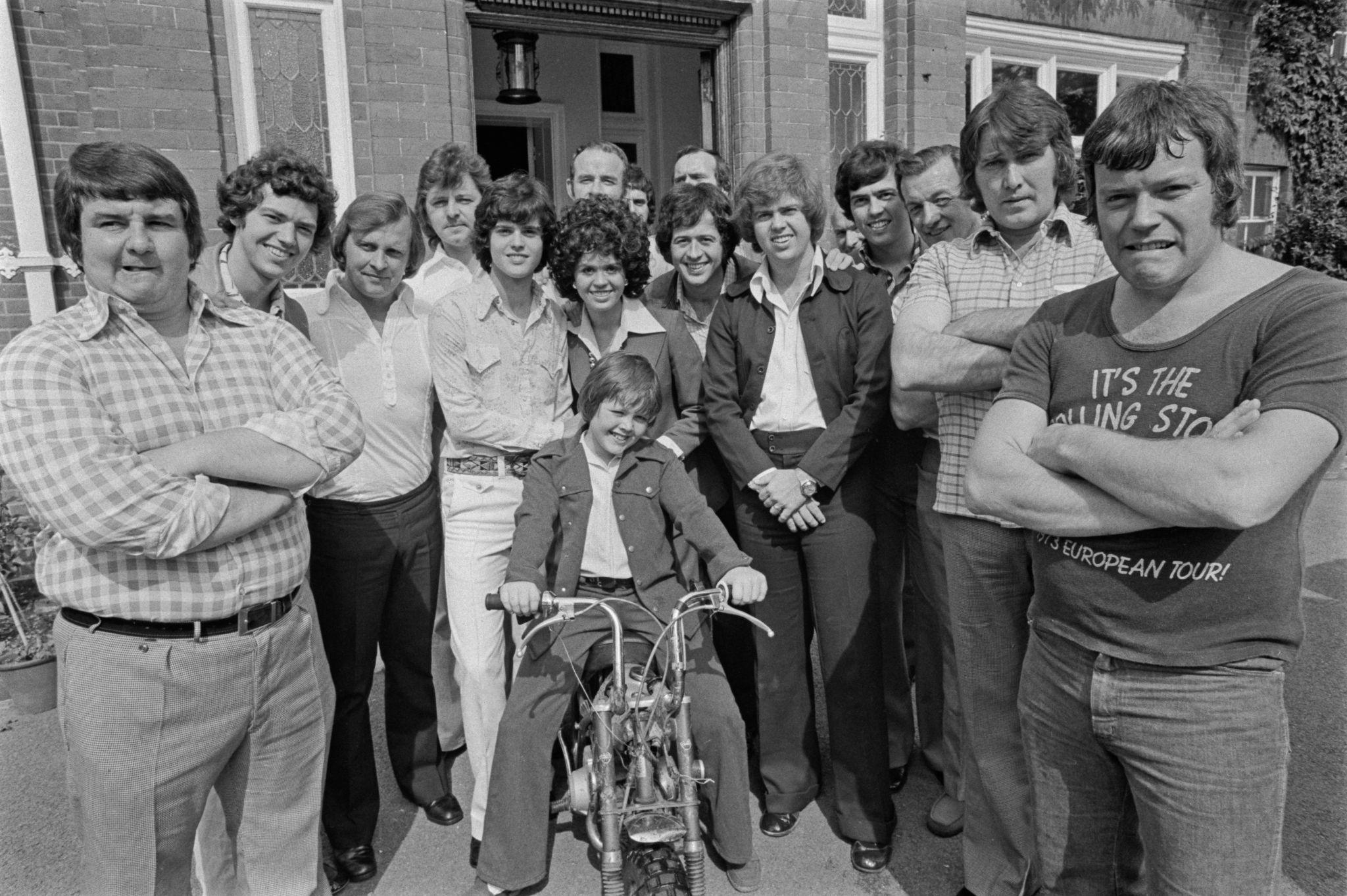
The Formation of The Osmonds: From Church Quartet to Global Fame
The origins of The Osmonds trace back to the 1950s, when Alan and his brothers Wayne, Merrill, and Jay formed a barbershop quartet. Their early performances were rooted in faith and community, often appearing at events connected to the Church of Jesus Christ of Latter-day Saints.
Their big break came through television—specifically appearances on The Andy Williams Show, which introduced the group to a national audience. This exposure transformed them from local performers into household names.
By the early 1970s, the group had evolved into a pop phenomenon. The addition of Donny Osmond brought youthful appeal and helped propel the group to chart-topping success. Hits like “One Bad Apple” and “Crazy Horses” became defining tracks of the era, with Alan contributing as both performer and songwriter.
Alan Osmond: The Leader Behind the Spotlight
While Donny Osmond often emerged as the public face of the group, Alan Osmond was widely regarded as its internal leader. Designated by their father to guide the brothers, Alan took on responsibilities that extended far beyond performing.
Donny later described him as:
“My protector. My guide. The one who quietly carried so much responsibility so the rest of us could shine.”
This leadership role shaped the Osmonds’ trajectory. Alan managed creative direction, helped coordinate performances, and ensured cohesion within a rapidly growing entertainment enterprise. His influence extended into television production, notably working on Donny and Marie, which became a major hit in the 1970s.
The Rise of Donny Osmond: Teen Idol and Cultural Icon
The emergence of Donny Osmond as a teen idol in the early 1970s marked a turning point for the group. His solo success did not replace the Osmonds—it amplified their reach.
Donny’s popularity brought the group into mainstream pop culture, attracting younger audiences and expanding their influence globally. The Osmonds became more than a band; they were a brand, representing wholesome entertainment during a transformative era in American media.
Yet behind Donny’s rise was Alan’s steady guidance, ensuring that the group adapted without losing its identity.
Health Challenges and a Shift Away from the Stage
In 1987, Alan Osmond was diagnosed with multiple sclerosis, a condition that would ultimately end his performing career.
Unlike many artists who fade from public life after retirement, Alan transitioned into roles that continued to shape the Osmond legacy. He became a producer, advocate, and philanthropist, channeling his experience into meaningful initiatives.
His diagnosis marked a shift—not an end. It reframed his contributions from performance to purpose.
Beyond Music: Philanthropy and Social Impact
Alan Osmond’s influence extended far beyond entertainment. He played a key role in launching the Children’s Miracle Network Telethon, an initiative that has raised billions for children’s hospitals.
He also founded the One Heart Foundation, aimed at supporting orphaned children worldwide. These efforts reflected a broader philosophy that defined the Osmond family: success carries responsibility.
His philanthropic work demonstrates how celebrity influence can be leveraged for sustained social impact—an aspect often overshadowed by the group’s musical achievements.
Family, Faith, and Personal Life
Alan Osmond’s life was deeply rooted in family. He married Suzanne Pinegar in 1974, and together they raised eight sons.
At the time of his passing, he was surrounded by his wife and children—a detail that underscores the centrality of family in the Osmond narrative.
He was also part of a large sibling network that included Virl, Tom, Wayne, Merrill, Jay, Donny, Jimmy, and Marie. While not all siblings performed on stage, each contributed to the broader Osmond legacy.
The death of his brother Wayne in January 2025 had already signaled a period of transition for the family, making Alan’s passing even more significant.
Final Years and Last Public Appearances
In his later years, Alan maintained a lower public profile due to his health. His last notable appearances included family-related events and television moments celebrating the Osmonds’ enduring legacy.
Despite physical limitations, he remained engaged with fans and family, often sharing reflections rooted in faith and gratitude.
His final days were marked by close family presence, with reports noting that he spent time in intensive care before returning home under hospice care.
Cultural Impact: Why The Osmonds Still Matter
The story of The Osmonds is not simply one of musical success—it is a case study in longevity, adaptability, and brand identity.
They navigated multiple decades of changing musical tastes, transitioning from barbershop harmonies to pop, television, and beyond. Their ability to maintain relevance across generations is rare.
Alan Osmond’s role in that continuity cannot be overstated. He provided structural stability, creative direction, and a sense of purpose that allowed the group to evolve without fragmenting.
A Legacy Defined by Leadership and Sacrifice
Alan Osmond’s life illustrates a less visible form of stardom—one defined not by spotlight, but by structure. While others performed, he built the foundation that made those performances possible.
His brother Merrill described him as a “gifted creator” and “deeply loving soul,” emphasizing the personal qualities that shaped both family and career.
That combination of leadership, humility, and resilience defines his legacy.
Conclusion: Remembering Alan Osmond and the Osmond Legacy
The passing of Alan Osmond represents more than the loss of a musician—it marks the closing of a chapter in a uniquely American story of family, faith, and entertainment.
From humble beginnings in Utah to global recognition, the Osmonds’ journey reflects the power of unity and disciplined creativity. At the center of it all was Alan, guiding from behind the scenes while enabling others to shine.
As tributes continue from fans and family alike, one theme remains consistent: gratitude—for the music, for the memories, and for the leadership that made it all possible.


