

Kai Uwe: The Artist Bridging Ancient Worlds and Modern Expression
A Narrative of Identity, Art, and Cultural Revival
In contemporary alternative culture, few figures occupy as distinct a space as Kai Uwe Faust. Known for his work as a tattoo artist, musician, and creative director, Faust has built a multidisciplinary career rooted in historical inspiration and artistic reinterpretation. His work does not merely reference the past—it attempts to reconstruct and reimagine it through sound, symbolism, and visual storytelling.
From his role as a founding member, songwriter, and vocalist in the experimental music project Heilung, to his identity as the founder and artistic designer behind Old Norse, Faust operates at the intersection of history, mythology, and contemporary art. His influence extends across music, tattoo culture, and a growing global community interested in ancestral traditions and ritualistic expression.
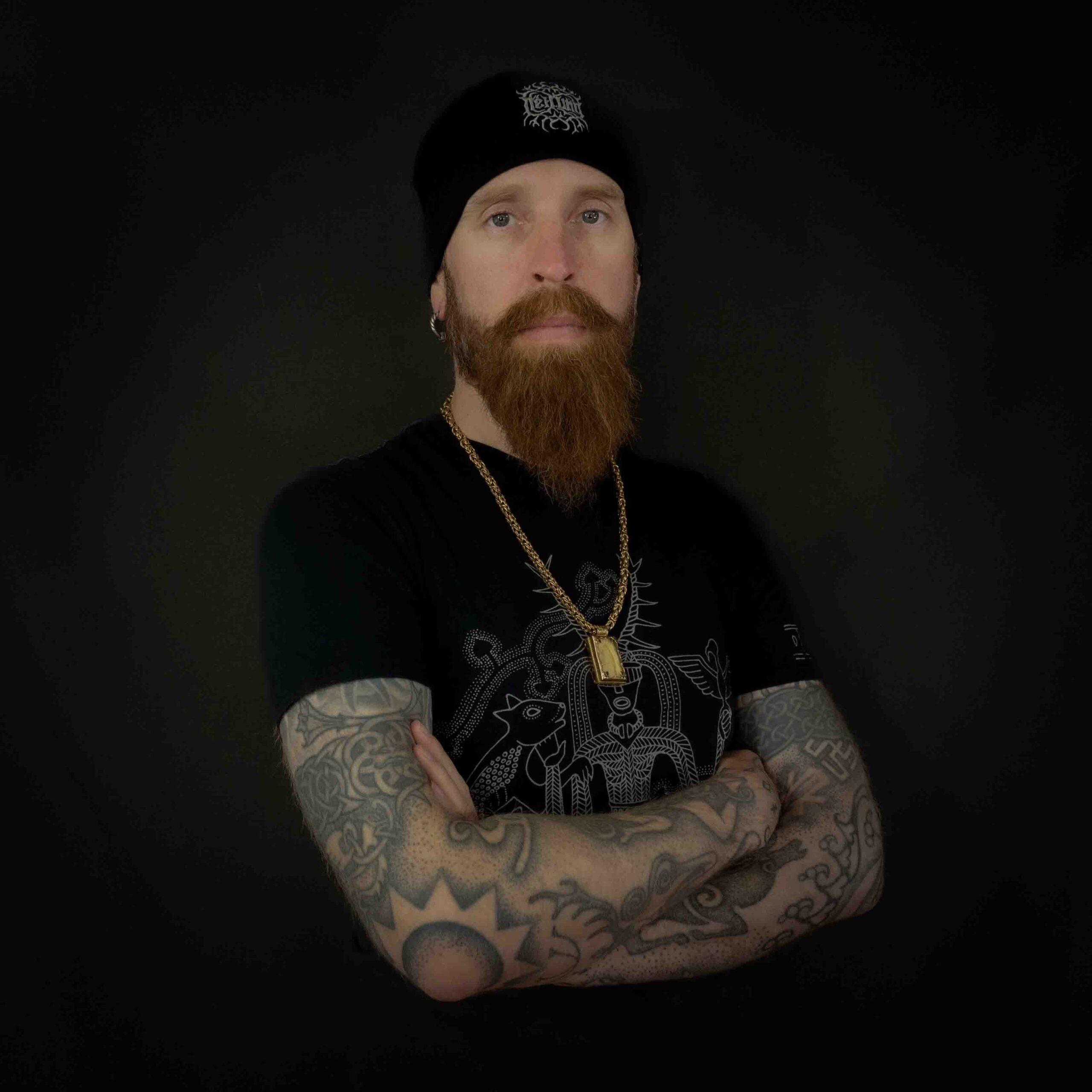
The Artist Behind the Persona
Kai Uwe Faust’s public presence reflects a carefully constructed artistic identity. His social media activity, including a profile with over 47,000 followers and more than 1,000 posts, serves as both a portfolio and a cultural archive. It showcases not only his personal work but also collaborations, workshops, interviews, and creative projects tied to his broader artistic ecosystem .
At the core of his practice is a commitment to Old Norse symbolism, runic aesthetics, and pre-Christian Northern European traditions. His work often draws from archaeological references, mythological narratives, and linguistic elements that predate modern Western frameworks.
Rather than presenting history as static, Faust treats it as a living, evolving medium—one that can be interpreted through contemporary artistic language.
Heilung: Sound as Ritual
A major pillar of Faust’s career is his involvement in Heilung, a musical project known for its immersive, ritual-like performances. As a founder, songwriter, and vocalist, Faust contributes to a sonic experience that blends:
- Traditional instruments
- Vocal chants and incantations
- Reconstructed ancient texts
- Rhythmic structures inspired by early human expression
The project gained wider recognition through tours such as Heilung 2018, 2020/21, and 2021/22, which expanded its audience beyond niche circles into global alternative music scenes.
Heilung’s performances are not conventional concerts. They are structured as ceremonial experiences—designed to evoke a sense of connection to ancestral memory, spirituality, and collective identity. Faust’s role within this framework is both performative and conceptual, shaping the narrative direction of each production.
Tattooing as Cultural Preservation
Beyond music, Faust’s work as a tattoo artist is equally central to his identity. His designs often incorporate:
- Runic inscriptions
- Mythological motifs
- Symbolic geometry
- Historical references from Nordic and Germanic traditions
Through his brand and studio associations, including projects tied to Old Norse, Faust positions tattooing as more than body art. It becomes a form of cultural preservation and personal storytelling.
This approach resonates with a global audience seeking deeper meaning in visual expression. Rather than purely aesthetic designs, his tattoos often carry symbolic or philosophical significance tied to heritage and belief systems.
Building a Creative Network
Faust’s influence extends into a wider creative network, as reflected in his connections with artists, musicians, and cultural practitioners. Profiles linked to his ecosystem include:
- Maria Franz (Heilung collaborator)
- Nordic and pagan-inspired artists and storytellers
- Instrument makers and historical reenactment creators
- Tattoo studios specializing in ancient symbolism
This network illustrates a broader movement—one that blends music, craftsmanship, storytelling, and visual art into a unified cultural expression.
It is less about individual fame and more about collective identity and shared creative direction.
Digital Presence and Audience Engagement
Faust’s online platforms serve multiple functions:
- Educational: Sharing insights into symbolism, history, and artistic process
- Commercial: Promoting merchandise, workshops, and creative projects
- Community-building: Connecting with followers who share similar interests
He also addresses modern challenges, such as fake profiles and digital impersonation, indicating the scale and reach of his influence.
His content strategy is not driven by mainstream trends but by a consistent thematic focus—maintaining authenticity while expanding visibility.
Workshops, Media, and Expanding Reach
In addition to music and tattooing, Faust participates in:
- Workshops focused on art and symbolism
- Interviews exploring cultural and historical themes
- Documentary-style content related to Heilung and related projects
These initiatives contribute to a broader narrative: transforming niche cultural interests into accessible, global conversations.
The inclusion of documentary elements and structured storytelling suggests a deliberate effort to document and archive the movement he is part of.
Cultural Impact: Between Revival and Reinvention
Kai Uwe Faust’s work exists within a larger cultural trend—renewed interest in:
- Pre-modern belief systems
- Mythology and folklore
- Identity rooted in heritage
However, his approach differs from simple revivalism. Rather than attempting historical accuracy alone, he blends authenticity with artistic interpretation.
This raises important cultural questions:
- Where is the line between preservation and reinterpretation?
- How do modern audiences engage with ancient narratives?
- What responsibilities come with representing historical traditions?
Faust’s work does not provide definitive answers but instead creates a platform for exploration and dialogue.
Looking Ahead: Future Directions
Given the trajectory of his career, several developments are likely:
- Continued expansion of Heilung’s global presence
- Growth in demand for symbolic and historically inspired tattoo art
- Increased documentation through film and digital media
- Deeper integration of art, music, and cultural education
His ability to maintain a consistent artistic vision while adapting to modern platforms will determine how his influence evolves.
Conclusion
Kai Uwe Faust represents a distinctive model of contemporary artistry—one that merges music, visual design, and cultural storytelling into a cohesive identity. His work is not confined to a single medium but operates across disciplines, each reinforcing the other.
Through Heilung, tattoo artistry, and his broader creative network, he has contributed to a growing global interest in ancestral traditions. More importantly, he has shaped how those traditions are interpreted in the modern world.
Rather than presenting the past as something distant, Faust brings it into the present—transforming it into a living, participatory experience.


