Ringo Starr and The Beatles: The Rhythm Behind a Cultural Revolution
Introduction: The Quiet Force in a Loud Revolution
When discussing The Beatles, the conversation often gravitates toward songwriting giants like John Lennon and Paul McCartney, or the spiritual evolution of George Harrison. Yet, beneath the harmonies, experimentation, and cultural upheaval was a steady, unmistakable pulse—driven by Ringo Starr.
- Introduction: The Quiet Force in a Loud Revolution
- The Turning Point: Joining The Beatles
- The Sound of Simplicity: Starr’s Unique Drumming Style
- Origins of a Musician: Illness, Rhythm, and Determination
- Beyond the Drums: Ringo Starr as a Beatle Performer
- Chemistry and Collaboration: The Beatles Dynamic
- Musical Identity: Playing the Emotion, Not Just the Beat
- Cultural Impact: Ringo Starr’s Place in Beatles Legacy
- Looking Forward: Legacy and Continued Relevance
- Conclusion: The Beat That Endures
Ringo Starr was not the most prolific songwriter nor the most dominant voice in the band. But his contribution to the Beatles’ sound, identity, and longevity was foundational. His drumming, personality, and occasional vocal performances added a distinctive layer that helped shape one of the most influential musical groups in history.
This article explores Starr’s journey with the Beatles—his arrival, musical style, contributions, and enduring influence—through a cultural and analytical lens.

The Turning Point: Joining The Beatles
Ringo Starr’s path into the Beatles was not inevitable—it was the result of a pivotal decision that altered music history.
At age 22, Starr received a life-changing call from Beatles manager Brian Epstein asking him to join the group. At the time, Starr was performing with Rory Storm and the Hurricanes. Within four days of that call, he played his first gig with the Beatles.


Reflecting on this moment decades later, Starr described it simply:
“That was one of those lucky decisions, I would say.”
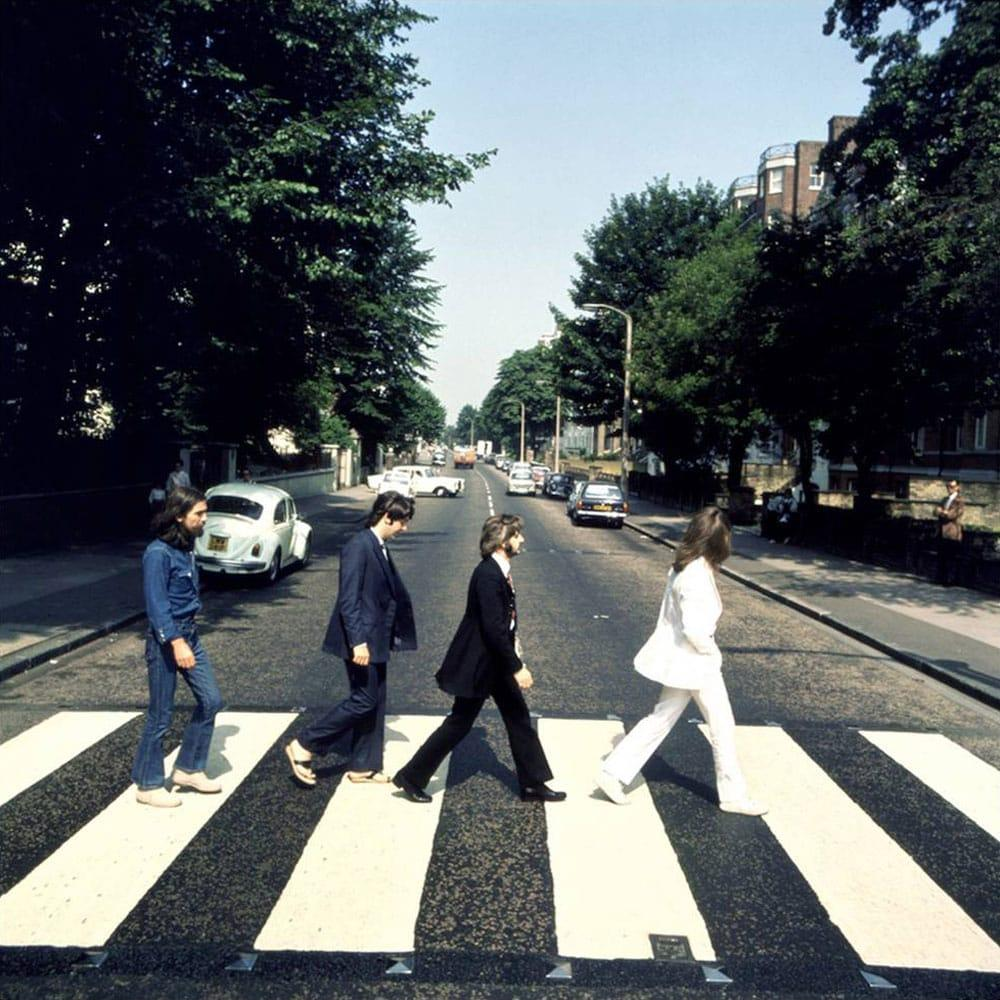
That decision replaced original drummer Pete Best and solidified what would become the classic Beatles lineup. The chemistry among the four members quickly proved transformative—not just for the band, but for global pop culture.
The Sound of Simplicity: Starr’s Unique Drumming Style
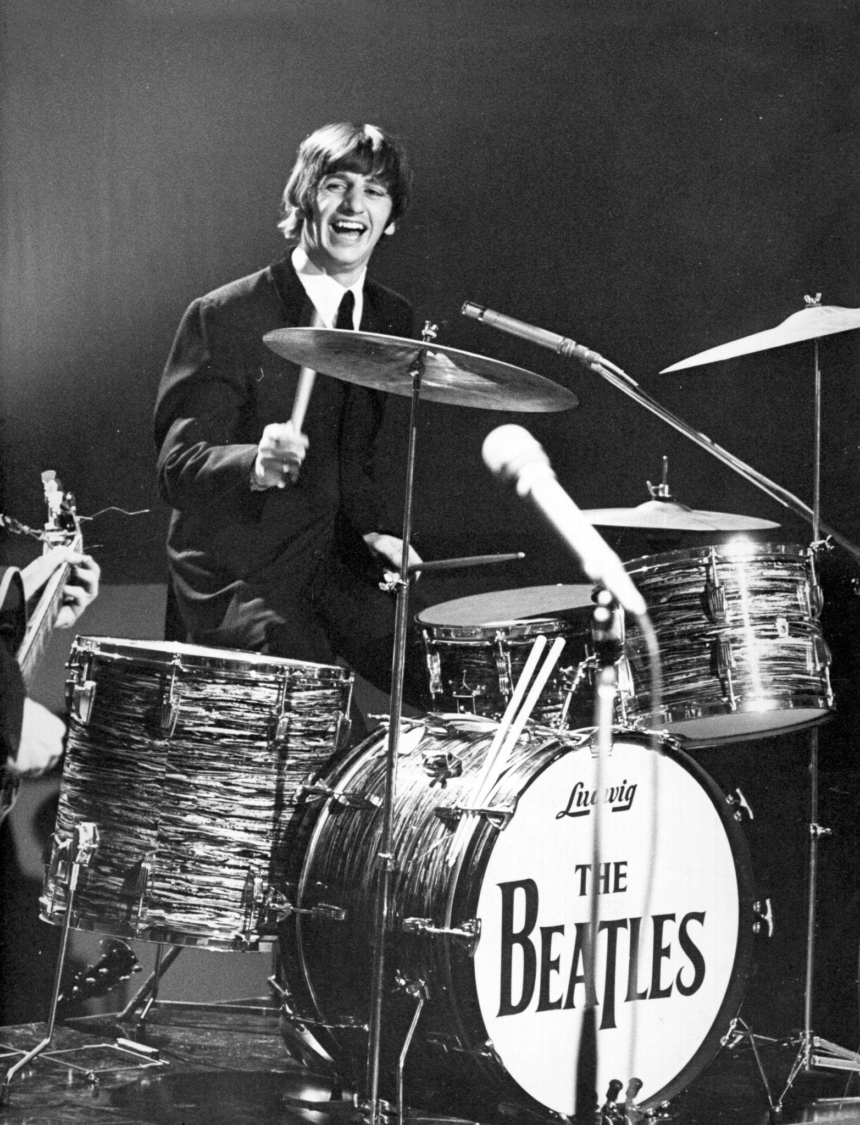
Unlike many technically flashy drummers, Ringo Starr developed a style defined by feel rather than complexity. His approach prioritized timing, restraint, and emotional connection to the music.
Starr explained his technique:


“With the snare drum, or the beat, and I play on the back of that; a lot of the drummers play in the middle, and some drummers play in front of it, and it just feels right to me to play on the back of it.”
This subtle delay created a relaxed, almost swinging groove—one that became a hallmark of Beatles recordings. According to producer T Bone Burnett:
“He’s the swinging-est drummer in the history of the United Kingdom.”
Starr’s playing was not about technical showmanship. Instead, it was instinctive:
“I was given a gift. It just came to me.”
His drumming served the song, enhancing melodies and lyrics rather than competing with them. This approach proved crucial in a band where composition and storytelling were central.
Origins of a Musician: Illness, Rhythm, and Determination
Starr’s journey into music was shaped by adversity. As a child, he suffered from tuberculosis and spent about a year in hospital. During that time, a music teacher introduced him to percussion instruments.
That moment left a lasting impact:
“I was 13 years old and I had this little drum for the first time, and from that, I only wanted to be a drummer.”
His family was not wealthy, but his dedication was evident. He would visit music stores in Liverpool just to look at drums—an early sign of the passion that would later define his career.
An unusual twist shaped his playing style: although naturally left-handed, Starr was forced to play right-handed due to cultural pressures at the time. This resulted in unconventional drum patterns and fills, contributing to his distinctive sound.
Beyond the Drums: Ringo Starr as a Beatle Performer
While Starr was primarily known as the Beatles’ drummer, he also contributed vocally and occasionally as a songwriter.
A curated playlist of his Beatles-era contributions highlights this lesser-known side of his artistry—featuring 11 songs totaling 29 minutes and 58 seconds, where he stepped into the spotlight.
These tracks demonstrate:
- His approachable, conversational vocal tone
- His ability to deliver humor and charm
- His role in diversifying the band’s musical texture
Although he did not frequently write songs, his performances added balance to the group’s output, offering moments of levity and relatability.
Chemistry and Collaboration: The Beatles Dynamic
The Beatles’ success was not just about individual talent—it was about synergy. Starr’s personality played a critical role in maintaining that balance.
Known for his easygoing nature and humor, he acted as a stabilizing force during periods of tension within the band. His adaptability allowed him to support the creative visions of Lennon, McCartney, and Harrison without overshadowing them.
This dynamic extended beyond the Beatles years. Decades later, Starr continues to collaborate with McCartney. Notably, on McCartney’s upcoming album The Boys of Dungeon Lane, the two reunite on a duet titled “Home to Us,” marking a rare moment where Starr not only plays drums but also shares vocals.
McCartney described the collaboration:
“It’s a duet. It was really nice, because we’ve never done that.”
This ongoing partnership underscores the enduring connection between the two surviving Beatles.
Musical Identity: Playing the Emotion, Not Just the Beat
One of Starr’s most defining characteristics is his emotional approach to music. He does not replicate drum parts mechanically; each performance reflects the moment.
As he explains:
“My playing is an emotional state of mind.”
Producer T Bone Burnett observed this firsthand, noting that what initially sounded “wrong” often revealed itself as deeply expressive once the full performance was complete.
This approach aligns with the Beatles’ broader artistic philosophy—music as an emotional and cultural expression rather than a technical exercise.
Cultural Impact: Ringo Starr’s Place in Beatles Legacy
Ringo Starr’s influence extends far beyond his drum kit. Within the Beatles, he represented:
- Accessibility: His personality made the band relatable
- Stability: He anchored the group during creative shifts
- Innovation: His unconventional style influenced generations of drummers
In the broader cultural context, the Beatles reshaped music, fashion, and global youth culture in the 1960s. Starr’s contributions were integral to that transformation, even if less prominently celebrated.
His story also reflects a larger narrative about success—not always driven by dominance, but by consistency, instinct, and collaboration.
Looking Forward: Legacy and Continued Relevance
Even in his later years, Starr remains active, recording new music and reflecting on his journey. His upcoming album Long Long Road serves as a retrospective on his life and career—a musical memoir shaped by decades of experience.
He reflects on his journey with characteristic humility:
“For most of it, I’ve been a lucky human being.”
That sense of perspective—combined with his enduring passion for music—keeps him relevant in an industry that has evolved dramatically since the Beatles’ early days.
Conclusion: The Beat That Endures
Ringo Starr’s role in the Beatles cannot be measured solely by songwriting credits or vocal performances. His true contribution lies in the intangible—rhythm, feel, and emotional resonance.
He was the drummer who never overplayed, the bandmate who never disrupted the balance, and the musician who understood that sometimes the most powerful contribution is knowing exactly what a song needs—and nothing more.
In the story of the Beatles, Starr is not just part of the background. He is the foundation upon which the music was built.