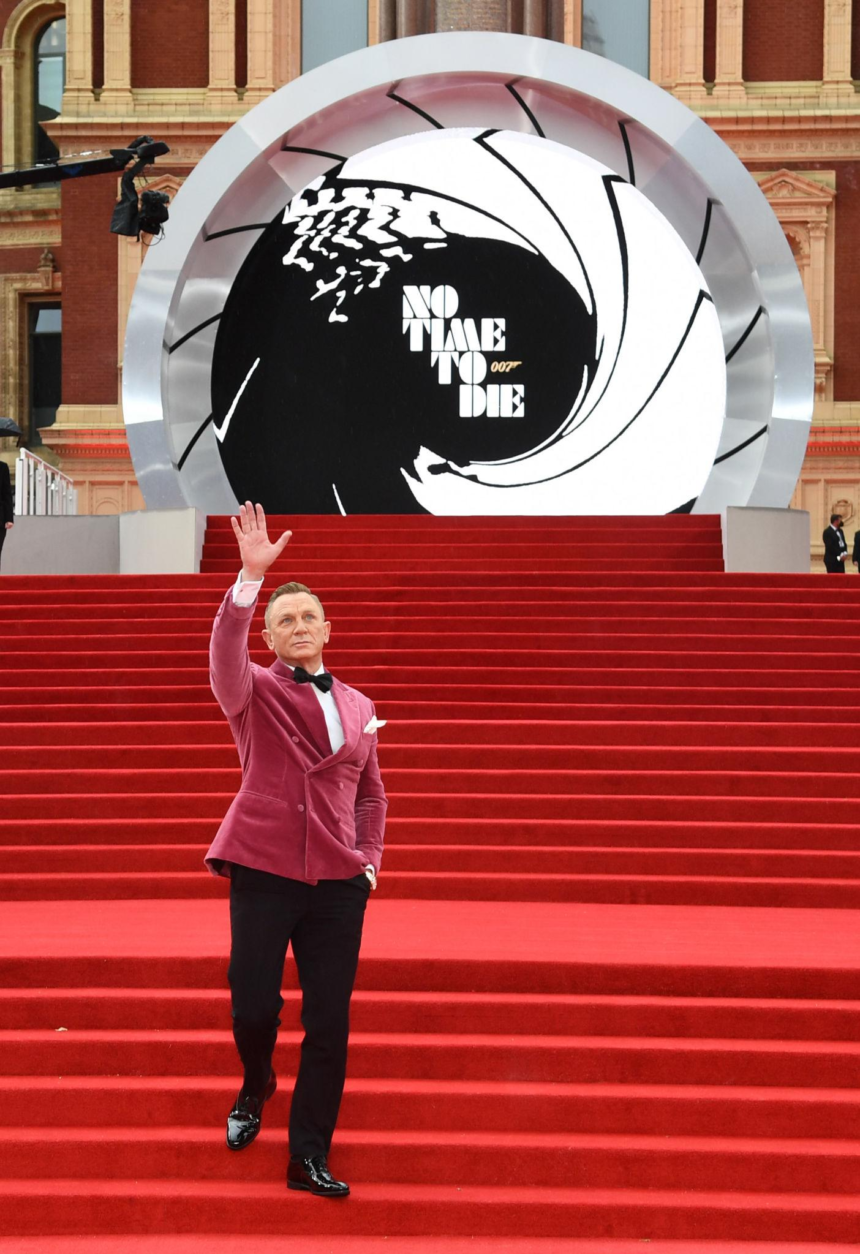
Daniel Craig: The Actor Who Redefined James Bond and Beyond
Introduction: A Career Defined by Reinvention
Few modern actors have reshaped a global film franchise while simultaneously building a diverse, critically respected career. Daniel Craig stands as a defining example. From his gritty transformation of James Bond to his sharp pivot into genre-defying roles like detective Benoit Blanc, Craig’s trajectory reflects both strategic risk-taking and precise craft.
- Introduction: A Career Defined by Reinvention
- Early Career Foundations: From Stage to Screen Breakthrough
- The Bond Era: Reinventing a Cultural Icon
- Cultural Influence: Style, Identity, and Symbolism
- Beyond Bond: Reinvention Through Genre
- Public Persona and Cultural Visibility
- The Post-Bond Era: Transition and Industry Impact
- Enduring Influence: Why Daniel Craig Matters
- Conclusion: A Defining Career in Modern Film
His career is not simply a list of films—it is a case study in how a performer can redefine legacy roles, influence cinematic tone, and maintain relevance in an evolving entertainment landscape.

Early Career Foundations: From Stage to Screen Breakthrough
Before global fame, Craig’s early career was rooted in serious dramatic work. His breakthrough performance came in Love Is the Devil: Study for a Portrait of Francis Bacon (1998), which established him as a serious actor capable of intensity and nuance.

However, it was the dual success of Layer Cake and Enduring Love in 2004 that elevated him into mainstream recognition. These performances demonstrated a combination of physical presence and psychological depth—qualities that would later define his portrayal of Bond.
The Bond Era: Reinventing a Cultural Icon
A Radical Shift with Casino Royale
When Craig was cast as James Bond in Casino Royale (2006), the franchise was at a turning point. His version of 007 departed sharply from previous portrayals.


Instead of charm-first espionage, Craig introduced:
- Physical vulnerability
- Emotional complexity
- Moral ambiguity
This shift grounded the character in realism, aligning Bond with modern cinematic expectations.
A Modern Bond for a Changing World
Craig’s Bond era incorporated contemporary threats—digital surveillance, global terrorism, and intelligence leaks—making the franchise more relevant.
His tenure culminated in No Time to Die, where Bond’s narrative reached a definitive conclusion, marking one of the most complete character arcs in franchise history.


Cultural Influence: Style, Identity, and Symbolism
Craig’s Bond extended beyond storytelling into cultural symbolism.
One of the most striking examples is the character’s wardrobe. In Spectre, Bond’s clothing alone was valued at over $56,000, including bespoke suits and luxury accessories.
This level of detail reinforced:
- The aspirational identity of Bond
- The connection between fashion and cinematic storytelling
- The portrayal of power through visual design
Bond became not just a spy, but a symbol of refined authority and controlled aggression.
Beyond Bond: Reinvention Through Genre
The Success of Knives Out
After redefining Bond, Craig pivoted to an entirely different archetype: detective Benoit Blanc in Knives Out (2019).
This role demonstrated:
- Comedic timing
- Character eccentricity
- Narrative flexibility
The film itself subverted the traditional murder mystery structure by revealing key plot elements early and focusing on unraveling deeper complexities.
Craig’s performance was widely regarded as a standout, with many considering Blanc as iconic as his Bond interpretation.
Expanding the Franchise
Subsequent films—Glass Onion and Wake Up Dead Man—continued the character’s journey, though they faced challenges in replicating the original film’s narrative innovation.
Even so, Craig’s presence ensured the series remained commercially and critically relevant.
Public Persona and Cultural Visibility
Craig’s influence extends beyond film roles into public appearances and media moments.
A notable example involves Martin Brundle during a Formula 1 grid walk. Despite strict instructions not to approach Craig, Brundle chose to engage him, later describing the actor as “very nice and talkative.”
This anecdote highlights Craig’s accessibility despite his global fame and reinforces his reputation as both a major star and a grounded personality.
The Post-Bond Era: Transition and Industry Impact
The Search for the Next 007
Craig’s departure has left a significant gap in the franchise. Five years after No Time to Die, no successor has been officially announced.
Amazon MGM Studios has confirmed that the casting process is being handled with “care and deep respect,” emphasizing the importance of the role and its long-term implications.
Key developments include:
- Director: Denis Villeneuve
- Writer: Steven Knight
- Producers: Amy Pascal and David Heyman
The next Bond film is expected to target a 2028 release, with production potentially beginning in late 2026 or 2027.
Legacy Challenges
Craig’s tenure has raised expectations significantly. His version of Bond combined:
- Emotional realism
- Narrative continuity
- Modern thematic relevance
Any successor must balance innovation with tradition—an increasingly complex task.
Enduring Influence: Why Daniel Craig Matters
Craig’s career reflects three key contributions to modern cinema:
1. Franchise Reinvention
He transformed James Bond from a stylized icon into a psychologically complex character.
2. Genre Versatility
His shift from action to mystery-comedy demonstrated range and adaptability.
3. Cultural Impact
From fashion to storytelling tone, his influence reshaped how blockbuster characters are constructed.
Conclusion: A Defining Career in Modern Film
Daniel Craig’s legacy is not confined to a single role, even one as iconic as James Bond. Instead, it lies in his ability to reshape expectations—of franchises, of genre boundaries, and of what a leading actor can achieve.
His Bond redefined realism in action cinema. His post-Bond choices reinforced his artistic credibility. And his continued presence in cultural conversations ensures that his influence will extend well into the next era of filmmaking.