Amsterdam at a Crossroads: Innovation, Culture, and Tension in a Changing City
Amsterdam has long stood as one of Europe’s most distinctive cities—a place where historic canals intersect with modern ideas, and where cultural openness meets regulatory precision. Today, the Dutch capital is navigating a period of transition that reveals both its enduring identity and its evolving challenges.
- A City Defined by Balance
- Healthcare Accountability: A Case That Sparked Reflection
- Technology Meets Reality: Self-Driving Cars Enter the Streets
- A Complex Urban Environment
- Public Reaction: Optimism Meets Skepticism
- Urban Policy and Mobility Trends
- Cultural Identity Under Pressure
- A Broader Technological Ecosystem
- The Road Ahead: Key Trends to Watch
- Conclusion: A City in Transition
This analytical feature examines Amsterdam not just as a destination, but as a living system shaped by healthcare standards, technological experimentation, urban policy, and social pressures.
A City Defined by Balance
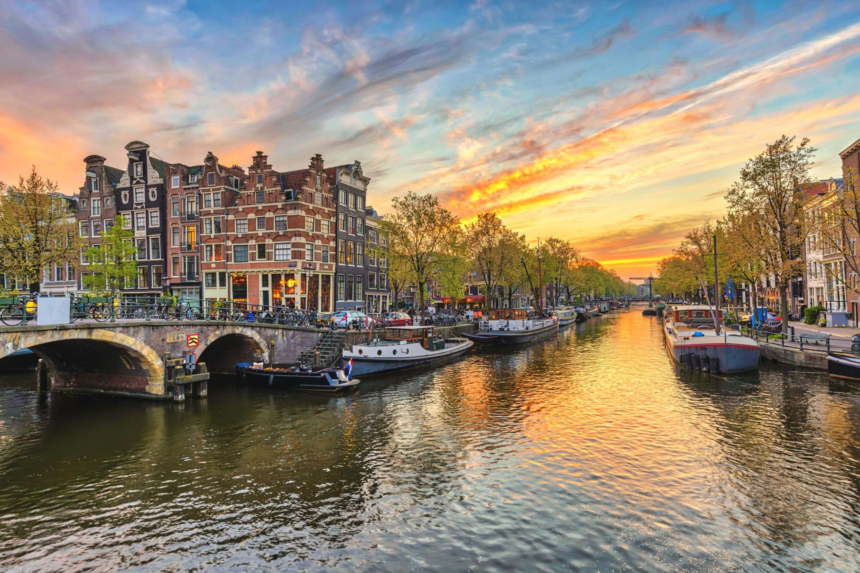
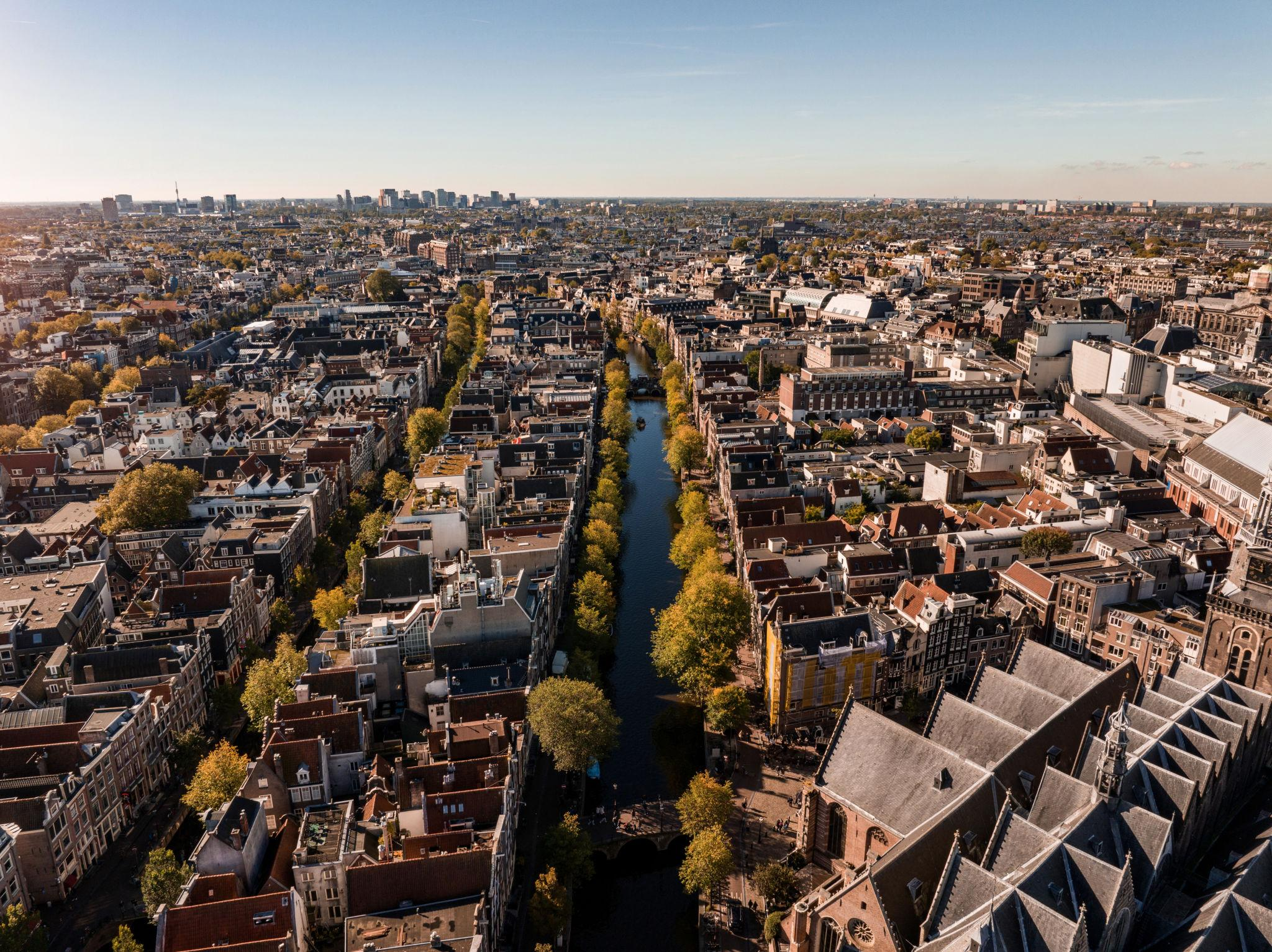
At its core, Amsterdam represents a carefully maintained balance. Known globally for its canal network, cycling culture, and progressive governance, the city has consistently prioritized livability over unchecked growth.


That balance, however, is under increasing strain. Population density, tourism, technological change, and shifting societal expectations are forcing institutions and policymakers to respond more decisively.
Healthcare Accountability: A Case That Sparked Reflection
One recent development illustrates how Amsterdam’s systems enforce professional standards. The Regional Disciplinary Tribunal for Healthcare in Amsterdam issued a formal reprimand to a plastic surgeon following an incident during a procedure in July 2025.


The tribunal determined that the surgeon engaged in inappropriate conduct after verbally insulting a surgical assistant by calling her a “donkey” during a liposuction operation. The situation escalated when the assistant acted independently to inform colleagues about a potential delay—something the surgeon opposed.
An anesthesia staff member present in the operating room documented the exchange and later testified under oath. He stated that he was “very shocked” by the verbal abuse and that the incident significantly affected his ability to remain alert and maintain a professional demeanor with patients afterward.
The tribunal ruled in favor of the assistant, issuing a reprimand that will be published to serve as a learning reference for healthcare professionals.
Implications for the Healthcare Sector
This case highlights several structural priorities in Amsterdam’s healthcare system:


- Strict professional conduct standards in clinical environments
- Institutional accountability mechanisms that empower staff to report misconduct
- Recognition of psychological impact on healthcare workers
The decision reflects a broader cultural stance: professional environments, especially those involving patient care, must remain respectful and psychologically safe.
Technology Meets Reality: Self-Driving Cars Enter the Streets
While healthcare systems emphasize accountability, Amsterdam is simultaneously experimenting with technological advancement. A recent milestone saw the approval of supervised self-driving technology on city streets—a European first.
Tesla received approval to deploy its supervised full self-driving (FSD) system, allowing vehicles to steer, brake, and accelerate autonomously while requiring driver oversight.
The rollout has turned Amsterdam into a testing ground for urban automation.
How the System Works
The supervised FSD system operates with several safeguards:
- The vehicle can handle navigation and traffic responses independently
- A driver must remain attentive and ready to intervene
- The system issues warnings and can stop the vehicle if driver focus lapses
In one demonstration, a Tesla slowed and activated hazard lights after detecting driver inattention—indicating a layered safety approach.
A Complex Urban Environment
Amsterdam presents one of the most challenging environments for autonomous vehicles. Its streets are not designed around cars, but around a mix of:
- Cyclists and e-bikes
- Pedestrians
- Trams and delivery vehicles
- Narrow canal-side roads
Esther van Garderen of the Dutch Cyclists’ Union pointed to this complexity, emphasizing that “cyclists are flowing through traffic, swarming around, going left and right.”
City officials, including transport alderwoman Melanie van der Horst, have adopted a cautious stance. While acknowledging potential benefits, she confirmed the city will monitor the rollout closely.
Public Reaction: Optimism Meets Skepticism
Public opinion in Amsterdam remains divided.
Supporters argue that automated systems could reduce human error. One local resident expressed confidence that self-driving cars “will keep their distance,” potentially improving safety for cyclists.
Others remain unconvinced. Concerns focus on:
- The unpredictability of tourist behavior
- The density of cyclists
- The adaptability of AI systems in chaotic environments
A cyclist navigating the city described the technology as potentially suitable for highways but less reliable in Amsterdam’s streets, where behavior is less structured.
Urban Policy and Mobility Trends
Amsterdam’s cautious approach to self-driving technology aligns with its long-standing urban policy priorities. The city has actively worked to reduce car dependency by:
- Closing certain roads to vehicles
- Increasing parking fees
- Removing parking spaces
- Implementing a 30 km/h speed limit across most streets
These policies reinforce a broader goal: prioritizing bicycles and public transport over private vehicles.
At the same time, data shows rising safety concerns. Road traffic deaths in the Netherlands increased by 6% to 759 in 2025, with car-cyclist and car-pedestrian collisions contributing significantly.
This creates a paradox: while the city discourages cars, it must still manage their impact—and now, potentially, their automation.
Cultural Identity Under Pressure
Beyond policy and technology, Amsterdam is also grappling with social challenges that reflect broader urban tensions.
Recent developments have highlighted issues including:
- Women avoiding certain areas of the city due to safety concerns
- Incidents of street violence affecting minority communities
- Political debates around protests at academic institutions
These incidents underscore a central question: how does a city known for openness maintain that identity under pressure?
A Broader Technological Ecosystem
Amsterdam’s role as a testing ground for innovation extends beyond mobility. The presence of experimental technologies, including supervised autonomous vehicles, positions the city as a hub for European technological adoption.
The deployment of self-driving systems is not isolated—it is part of a wider effort to integrate automation into daily life, from logistics to transport infrastructure.
The Road Ahead: Key Trends to Watch
Amsterdam’s trajectory suggests several emerging trends:
1. Increased Regulatory Oversight
Institutions like the healthcare tribunal demonstrate a commitment to maintaining professional standards across sectors.
2. Cautious Technological Adoption
The city is willing to test innovation, but only under strict supervision and with ongoing evaluation.
3. Urban Mobility Transformation
Policies continue to shift toward reducing car dominance, even as new vehicle technologies emerge.
4. Social Resilience Challenges
Maintaining safety, inclusivity, and public trust remains a critical priority.
Conclusion: A City in Transition
Amsterdam is not simply evolving—it is actively negotiating its future.
From disciplinary rulings in operating rooms to autonomous vehicles navigating canal-lined streets, the city’s systems are being tested in real time. Each decision reflects a deeper principle: progress must align with accountability, safety, and quality of life.
What emerges is a portrait of a city that refuses to choose between tradition and innovation. Instead, Amsterdam is attempting to integrate both—carefully, deliberately, and under constant scrutiny.