Anton Tremmel: The Quiet Exit of a Resilient Alpine Competitor
A Career Defined by Persistence Rather Than Headlines
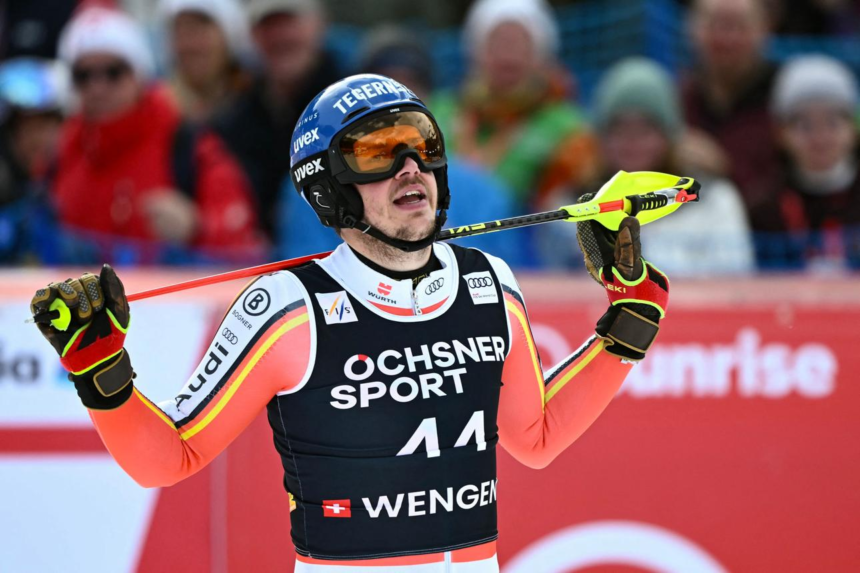
The retirement of Anton Tremmel does not arrive with the dramatic flourish often associated with elite sport. Instead, it reflects a quieter, more introspective conclusion—one shaped by endurance, setbacks, and a clear-eyed assessment of what comes next.
- A Career Defined by Persistence Rather Than Headlines
- From Ambition to Reality: A Career in Context
- The Weight of Performance and Setbacks
- The Human Dimension Behind the Athlete
- Transitioning Beyond the Slopes
- The Broader Implications for Alpine Skiing
- A Career That Reflects the Majority, Not the Exception
- Conclusion: A Measured Ending, Not a Missed Opportunity
After 17 years in competitive alpine skiing, the 31-year-old German slalom specialist has officially stepped away from professional racing. The announcement, confirmed by the German Ski Association, signals the end of a career that may not have been defined by consistent podium finishes, but was nonetheless grounded in resilience and commitment.
His reasoning was direct and unambiguous: “The time has come to draw a line.”


From Ambition to Reality: A Career in Context
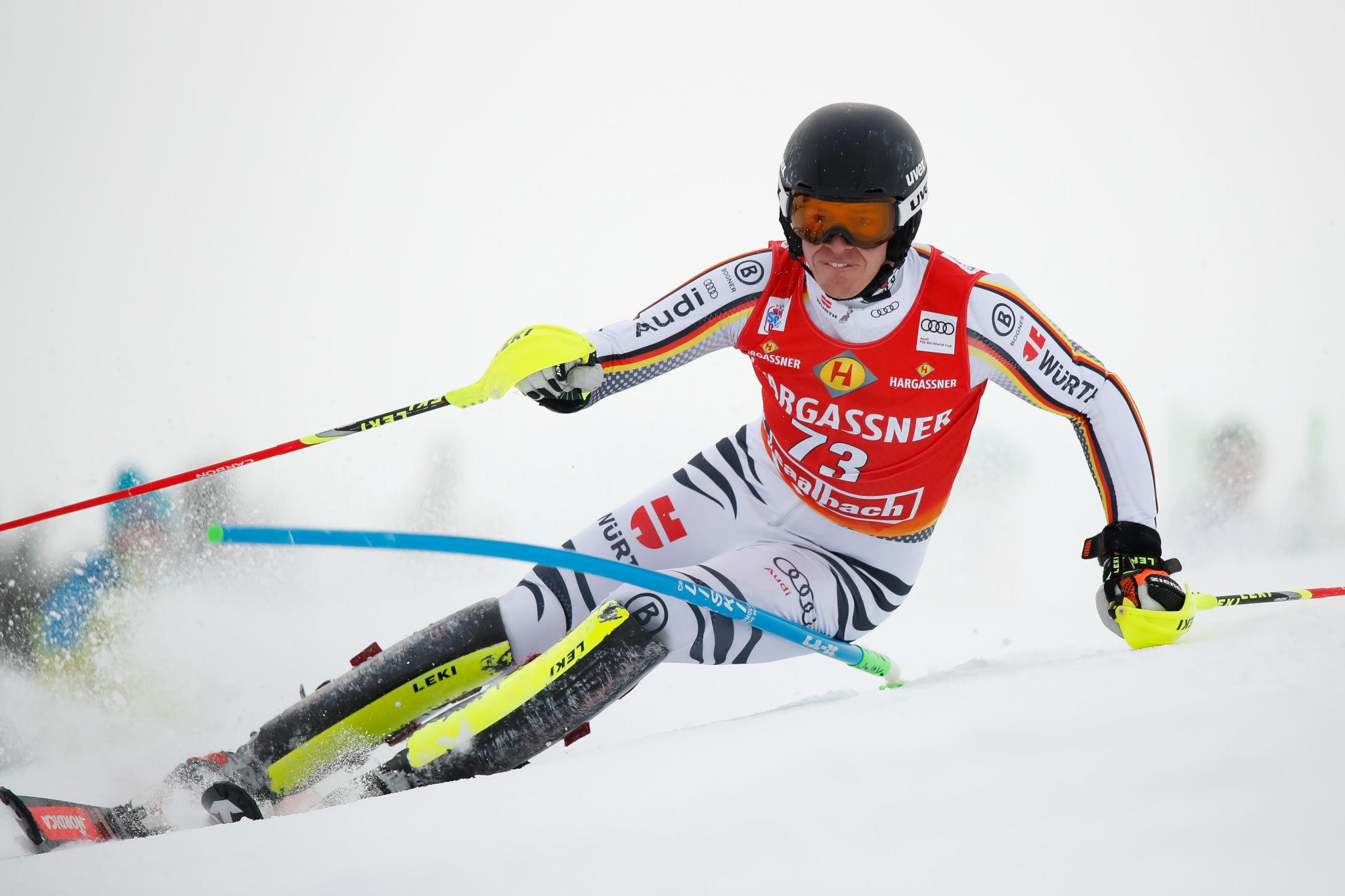
Tremmel’s professional journey followed a trajectory familiar to many athletes competing in technically demanding sports like alpine skiing. He made his World Cup debut in January 2018 during the slalom event in Zagreb, entering a highly competitive field where marginal differences determine success.
Across his career, he accumulated:


- 70 World Cup starts in total
- 69 individual race appearances without a top-10 finish
- One podium result, achieved in 2019 in a team event in Andorra
That podium, secured alongside teammates Fabian Himmelsbach, Christina Geiger, and Lena Dürr, remains his highest-profile result—a reminder that in team formats, collective performance can amplify individual contribution.
Yet the absence of consistent top-tier finishes in individual races highlights the fine margins that separate elite competitors from the sport’s dominant figures.
The Weight of Performance and Setbacks
Alpine skiing, particularly in the slalom discipline, demands precision, adaptability, and mental resilience. Tremmel’s career illustrates how even highly skilled athletes can struggle to break into the upper ranks of World Cup standings.
In his final competitive season, he faced mounting challenges:


- Failure to qualify for the second run in all ten World Cup starts
- Continued difficulty converting technical ability into race-day results
Compounding these competitive pressures was a serious knee injury earlier in his career—an obstacle that required a full recovery process before returning to World Cup competition. According to DSV sport director Wolfgang Maier, Tremmel’s comeback from injury underscored his determination and team-oriented mindset.
His trajectory, therefore, is less about peak dominance and more about sustained effort in an unforgiving competitive environment.
The Human Dimension Behind the Athlete
Tremmel’s retirement statement reflects a perspective often overshadowed in elite sports narratives—the acknowledgment of support systems.
He expressed gratitude toward:
- His family
- His ski club
- Sponsors
- His employer, the German Armed Forces (Bundeswehr)
This acknowledgment reinforces a broader reality: professional athletes operate within structured ecosystems that extend beyond training and competition.
His identity as a “sports soldier” highlights a dual-career model common in Germany, where athletes receive institutional backing while maintaining pathways for post-sport careers.
Transitioning Beyond the Slopes
Unlike abrupt or emotionally charged retirements, Tremmel’s decision appears strategically planned. His next step involves a potential transition into education and technical training.
He is considering:
- A combined academic and vocational program
- A focus on electrical engineering
This shift represents a deliberate move toward long-term career sustainability—an increasingly important consideration for athletes whose competitive lifespan is limited.
While he confirmed that skiing will remain part of his life, he did not specify whether this would involve coaching, mentoring, or another role within the sport.
The Broader Implications for Alpine Skiing
Tremmel’s retirement provides insight into the structural realities of alpine skiing:
1. Depth of Competition
The sport’s global talent pool ensures that even highly capable athletes may struggle to consistently reach podium positions.
2. Physical Demands and Injury Risk
Injuries, particularly knee-related, remain a defining factor in shaping careers and limiting long-term progression.
3. Dual-Career Necessity
Athletes increasingly prepare for post-sport careers early, recognizing the finite nature of competitive success.
4. Team vs Individual Dynamics
Tremmel’s sole podium came in a team event, highlighting how collaborative formats can diversify opportunities for recognition.
A Career That Reflects the Majority, Not the Exception
Elite sport narratives often focus on champions, but careers like Tremmel’s represent a more common reality—athletes who operate just below the highest tier yet contribute significantly to their teams and national programs.
His journey illustrates:
- Longevity without sustained podium success
- Commitment despite limited external recognition
- Adaptation in the face of injury and performance challenges
These elements, while less celebrated, are integral to the competitive fabric of international sport.
Conclusion: A Measured Ending, Not a Missed Opportunity
Anton Tremmel’s retirement does not signal failure; it represents a rational conclusion to a demanding professional chapter. His decision reflects clarity rather than compromise—a recognition that athletic careers are only one phase within a broader life trajectory.
As he transitions from the slopes to a new professional path, his legacy lies not in medals alone, but in persistence, discipline, and the ability to step away at the right moment.