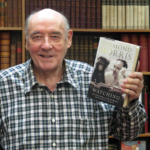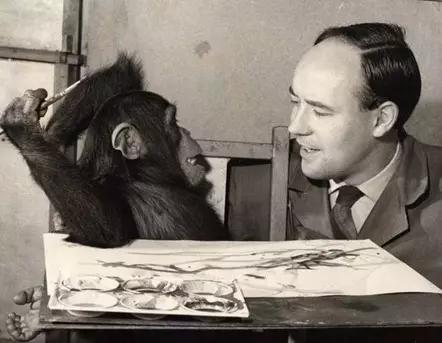
Desmond Morris and The Human Zoo: Understanding Civilization Through a Zoologist’s Lens
Introduction: Viewing Humanity from the Outside
Few thinkers have attempted to reinterpret human civilization as boldly as Desmond Morris. Best known for his 1967 bestseller The Naked Ape, Morris reframed human beings not as uniquely elevated creatures but as animals shaped by evolutionary pressures.
Two years later, he extended this argument in The Human Zoo—a provocative work that examined how modern urban environments mirror the psychological conditions of animals in captivity. The idea was simple but unsettling: cities, for all their sophistication, may function like enclosures, distorting natural human behaviour in measurable ways.
The concept placed Morris at the center of cultural debate. It challenged conventional ideas about civilization, morality, and identity—while reinforcing his reputation as one of the most influential and controversial popularisers of human behavioural science.
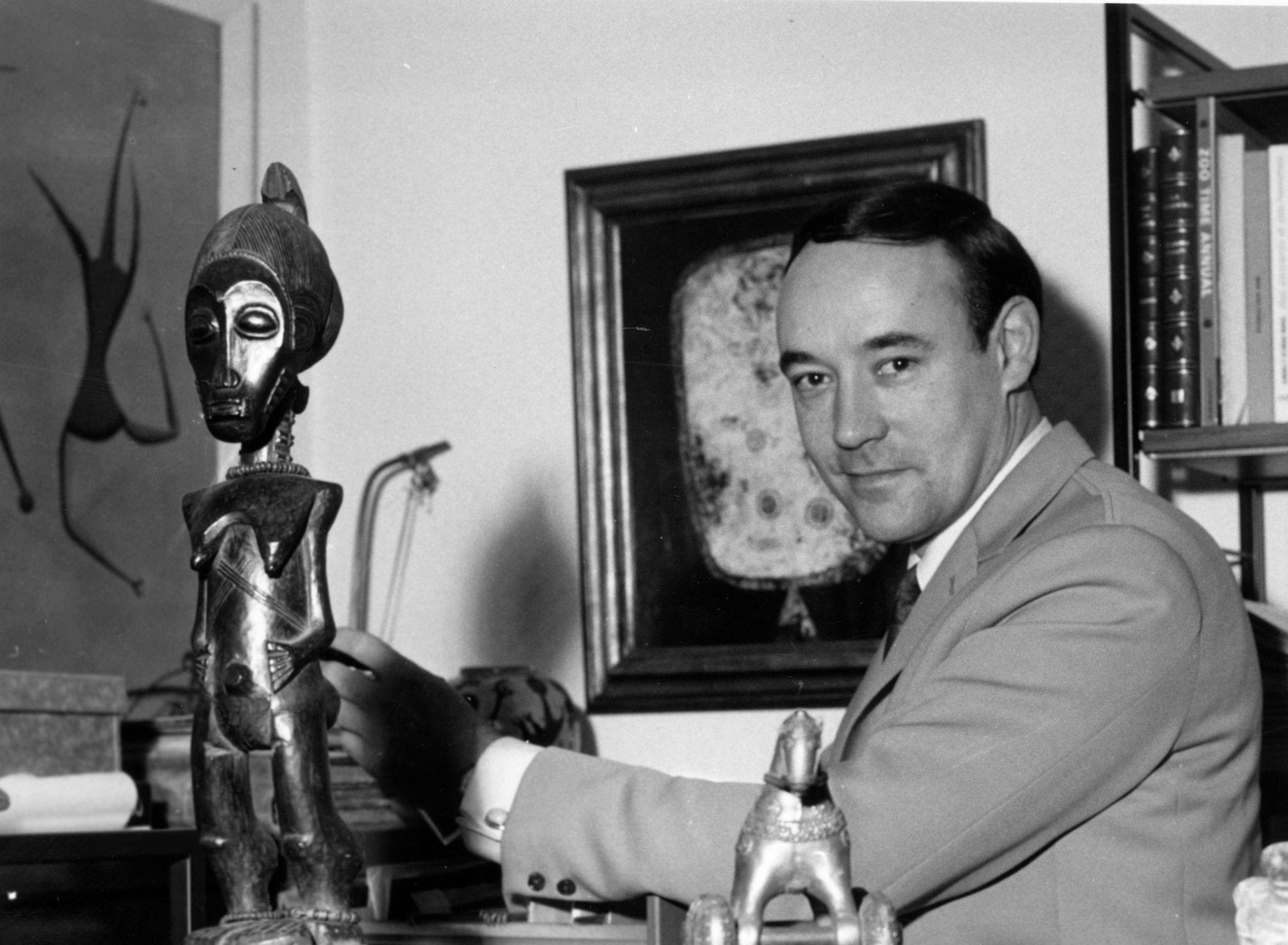
The Intellectual Foundation: From The Naked Ape to The Human Zoo
Morris’s intellectual trajectory began with a radical premise: humans are fundamentally animals, shaped more by biology than culture.
In The Naked Ape, he applied Darwinian reasoning to everyday human behaviour—covering mating, aggression, parenting, and social bonding. The book sold around 20 million copies and became a defining text of its era.
But its success also exposed a limitation. While it explained human instincts, it did not fully address how modern environments alter those instincts.
That gap led directly to The Human Zoo.
Rather than focusing on origins, the new book examined conditions: what happens when a species evolved for small, tribal groups is forced into dense, artificial environments?
The Core Idea: Cities as “Human Zoos”
Morris argued that modern urban life creates conditions similar to captivity in animals. Just as zoo enclosures restrict natural behaviour, cities impose constraints that humans are not evolutionarily equipped to handle.
His central claims included:
- Humans evolved in small groups, not large, anonymous populations
- Urban density creates psychological stress and behavioural distortion
- Social hierarchies become exaggerated under crowded conditions
- Artificial environments disrupt natural behavioural cues
In this framework, modern citizens resemble animals placed in unnatural settings—functioning, but not fully adapted.
The analogy was deliberately provocative. It suggested that many features of modern life—stress, aggression, social alienation—are not random problems but predictable biological responses.
Behaviour Under Pressure: How Environment Shapes Action
Morris used examples from both animal studies and human societies to support his argument.
In zoos, animals placed in restricted spaces often develop abnormal behaviours—repetitive movements, aggression, withdrawal, or social dysfunction.
He argued that similar patterns appear in human populations under urban pressure:
- Increased violence in crowded environments
- Breakdown of traditional social bonds
- Emergence of artificial status systems
- Ritualised behaviours replacing natural ones
This interpretation aligned with his broader methodology: observing humans the way a zoologist studies animals. As one observer put it, Morris approached people “the way a bird-watcher looks at birds.”
A Controversial Framework
From its publication, The Human Zoo generated significant debate.
Supporters viewed it as a powerful lens for understanding modern society. It provided a biological explanation for phenomena that sociology and psychology often treated as abstract or cultural.
Critics, however, raised several objections:
- Reductionism: Many argued that Morris oversimplified human behaviour by attributing it primarily to evolution
- Cultural neglect: Critics insisted that language, culture, and self-awareness distinguish humans from animals
- Speculative conclusions: Some scientists dismissed aspects of his work as “salacious guesswork and erotic fantasy”
The debate reflected a deeper tension: whether human behaviour should be understood primarily through biology or through culture and social structures.
Extending the Theory: Behaviour, Ritual, and Society
Morris did not stop with The Human Zoo. He continued developing his ideas through subsequent works such as Manwatching and The Human Animal.
Across these works, he examined:
- Body language and non-verbal communication
- Ritualised social interactions
- Group behaviour in public spaces
Even everyday activities—such as cheering at football matches—were interpreted through this biological lens. Morris described fan behaviour as a form of “male arena display,” linking it to ancient patterns of competition and dominance.
This consistent framework reinforced his central claim: beneath modern complexity lies a set of primal behavioural patterns.
The Broader Impact: Science Meets Popular Culture
Morris’s work had an unusual dual impact.
On one hand, it influenced scientific and academic discussions about behaviour, ethology, and human evolution.
On the other, it reached a mass audience through television and publishing.
As a presenter of programs like Zoo Time, he brought behavioural science into living rooms, shaping public understanding of both animals and humans.
His ability to translate complex ideas into accessible narratives made him one of the most prominent science communicators of the 20th century.
Revisiting the “Human Zoo” in the Modern Era
Decades after its publication, the core questions raised by The Human Zoo remain relevant.
Modern developments have intensified many of the conditions Morris described:
- Urban populations have grown dramatically
- Digital environments add new layers of artificial interaction
- Social isolation persists despite increased connectivity
In this context, the “human zoo” metaphor can be extended beyond physical cities to include virtual spaces—platforms where behaviour is shaped by algorithms, visibility, and competition for attention.
The framework continues to offer a lens for examining:
- Social media dynamics
- Workplace hierarchies
- Urban mental health challenges
While not universally accepted, the theory retains analytical value in discussions about how environment influences behaviour.
Legacy: A Zoologist Who Reframed Humanity
Desmond Morris died at the age of 98, leaving behind a body of work that reshaped public discourse on human behaviour.
His ideas were frequently contested, sometimes sharply criticised, but rarely ignored.
He insisted that understanding humanity requires stepping outside it—observing people as one would observe any other species.
In doing so, he forced readers to confront an uncomfortable possibility: that much of what defines modern life is not a departure from nature, but a distortion of it.
Conclusion: The Enduring Relevance of the “Human Zoo”
The Human Zoo remains one of the most provocative interpretations of modern society.
By framing cities as artificial enclosures, Morris challenged the assumption that progress automatically leads to well-being. Instead, he suggested that civilization may come with biological costs.
Whether accepted or disputed, the concept continues to influence how behaviour is studied and understood.
It leaves a clear conclusion:
human beings may build complex societies, but they cannot escape the evolutionary forces that shaped them.