TfL Strikes: A Practical Guide to London’s Underground Disruption in 2026
What’s Happening and Why It Matters
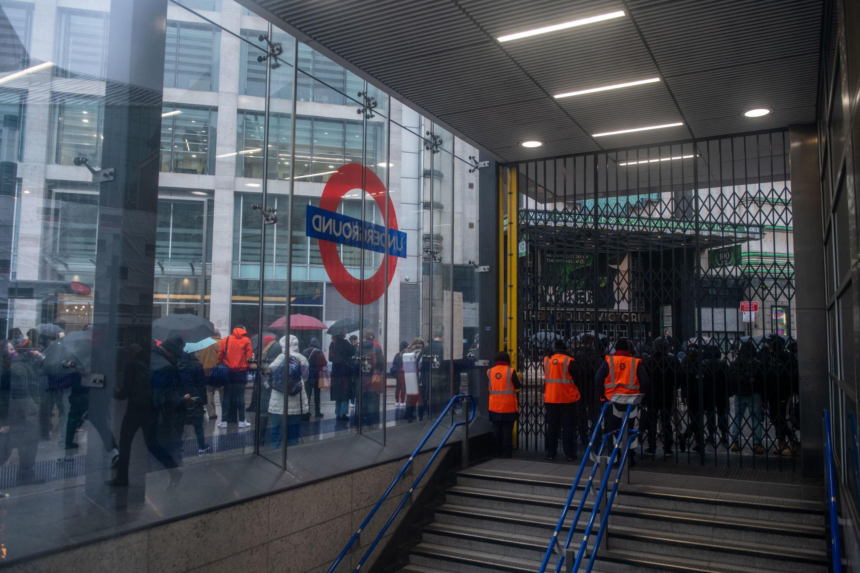
Industrial action across the Transport for London (TfL) network is once again reshaping how millions move across London. The latest round of strikes—led by members of the RMT union—is not a brief interruption but part of a sustained dispute that extends beyond April into May and June 2026.
- What’s Happening and Why It Matters
- Strike Dates and Timeline: When Disruption Hits
- How the Disruption Unfolds: Day-by-Day Breakdown
- Lines Affected: Where Services Stop Completely
- What Still Runs: Alternative Transport Options
- The Core Dispute: Four-Day Week or Workforce Risk?
- Wider Impact: Beyond the Underground
- Planning Your Travel: Tools and Strategies
- What Comes Next: A Prolonged Dispute
- Conclusion: A City Adjusting Under Pressure
At the core of the conflict is a disagreement over working patterns for London Underground drivers. The union argues that proposed changes risk longer working days and fatigue, while TfL maintains the plan is voluntary and designed to improve operational flexibility without reducing pay or contractual hours.
The result is a series of coordinated walkouts that significantly reduce service availability, disrupt commuting patterns, and push London’s wider transport system to its limits.


Strike Dates and Timeline: When Disruption Hits
The current wave of strikes follows a repeating pattern of 24-hour walkouts:
- April:
- 21–22 April
- 23–24 April
- May:
- 19–20 May
- 21–22 May
- June:
- 16–17 June
- 18–19 June
Each strike begins at midday and runs through to midday the following day.


This staggered timing is deliberate—it ensures disruption affects both afternoon and morning commuting peaks, amplifying the impact across consecutive days.
How the Disruption Unfolds: Day-by-Day Breakdown
Understanding the pattern of disruption is critical for navigating the strikes effectively.
Strike Days (Tuesdays and Thursdays)
- Normal service runs early in the morning
- Services begin scaling down by mid-morning
- Severe disruption starts from midday
- Remaining services end early, often before 8pm
Commuters are advised to complete journeys early in the day to avoid being stranded.
Recovery Days (Wednesdays and Fridays)
- No Tube services before approximately 7:30am
- Significant delays and reduced service continue into midday
- Gradual recovery through the afternoon, with lingering disruption
This “aftershock effect” means disruption extends beyond the strike itself, effectively impacting four consecutive days each week of action.


Lines Affected: Where Services Stop Completely
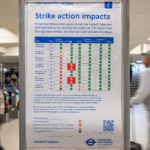
While most of the network runs at reduced capacity, several critical sections see no service at all, including:
- Piccadilly line
- Circle line
- Metropolitan line (Baker Street to Aldgate)
- Central line (White City to Liverpool Street)
These closures cut off key commuter routes, including access to Heathrow Airport via the Piccadilly line and connections to major rail hubs.
Across the wider network, even operational lines experience:
- Reduced frequency
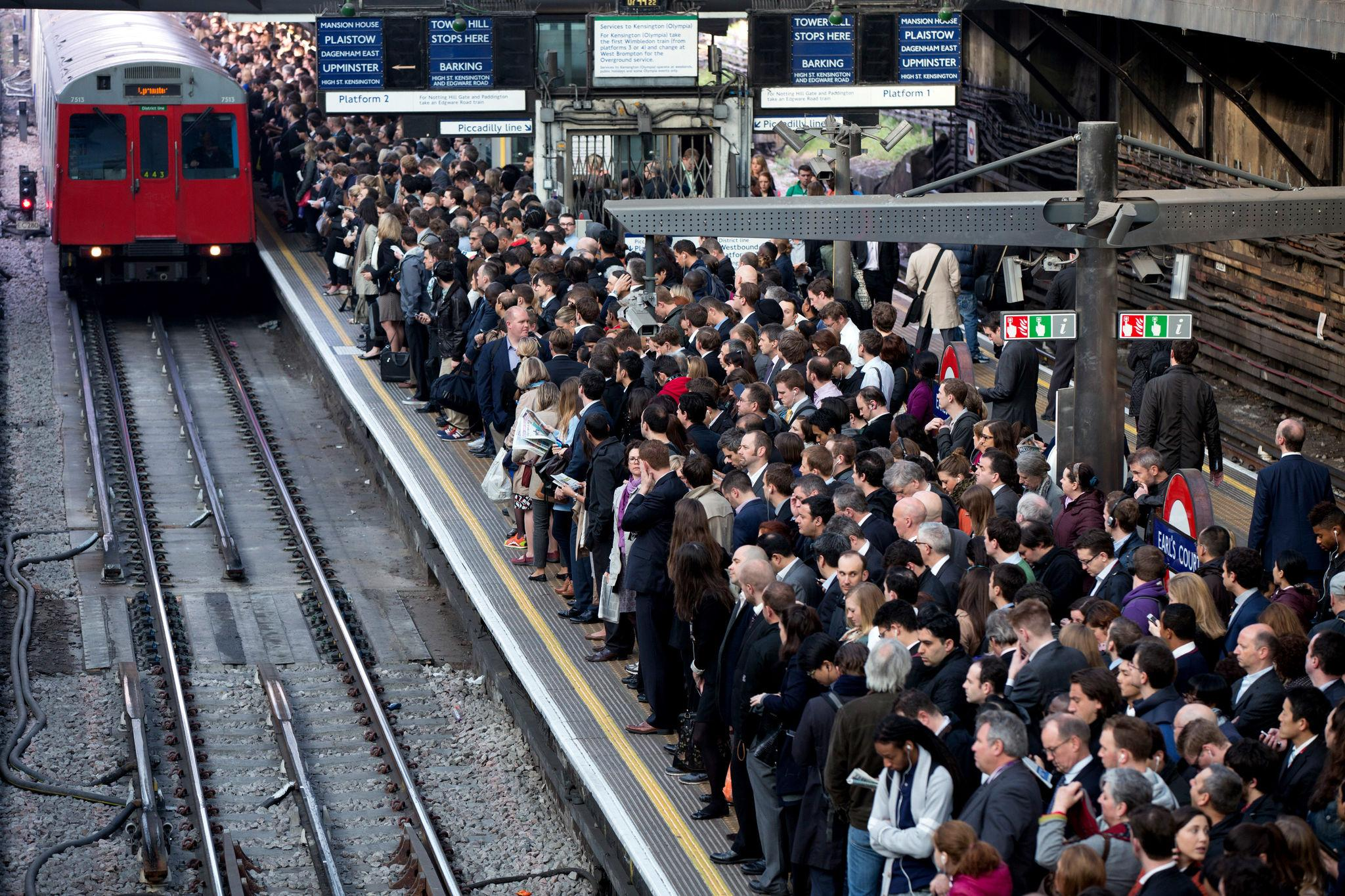
- Overcrowding
- Limited boarding capacity
Passengers are often unable to board the first available train.
What Still Runs: Alternative Transport Options
Despite widespread disruption, several transport systems remain operational:
- Elizabeth line
- Docklands Light Railway
- London Overground
- Tram services
These services operate normally but experience extreme passenger demand, effectively absorbing displaced Tube users.
Cycling has also emerged as a practical alternative, with e-bike usage rising sharply during previous strike periods.
The Core Dispute: Four-Day Week or Workforce Risk?
The dispute centers on a proposed shift to a four-day working model for drivers.
Union Position
The RMT argues that:
- Longer daily shifts increase fatigue
- Safety could be compromised
- The proposed structure is unacceptable without reduced hours
Union leadership has stated:
“We have approached negotiations with TfL in good faith… TfL seem unwilling to make any concessions.”
TfL Position
TfL disputes the claims, emphasizing:
- The four-day week is voluntary
- No reduction in contractual hours
- Improved flexibility and reliability
According to TfL’s leadership, the proposal aligns London Underground with broader industry practices and provides staff with an additional day off.
Wider Impact: Beyond the Underground
The disruption is not isolated to the Tube network. Secondary effects include:
- Bus network pressure, with some routes affected by separate strikes
- Overcrowding on rail alternatives
- Increased reliance on walking and cycling
- Delays in reaching airports and national rail services
Seven bus routes—including 8, 25, 205, and 425—face separate strike action, compounding the issue in parts of East London.
Planning Your Travel: Tools and Strategies
To navigate the disruption effectively, TfL recommends using its digital tools:
- Journey Planner for route optimization
- Real-time service updates
- Location-based navigation tools
These tools help commuters identify viable alternatives, combining rail, bus, cycling, and walking routes where necessary.
What Comes Next: A Prolonged Dispute
With strikes scheduled into June and negotiations stalled, the dispute shows no immediate signs of resolution.
Several factors will determine the outcome:
- Whether TfL modifies its working model
- Union willingness to revisit negotiations
- Operational pressures from sustained disruption
For now, the situation reflects a broader tension within urban transport systems—balancing workforce conditions with service reliability in a high-demand environment.
Conclusion: A City Adjusting Under Pressure
TfL strikes in 2026 are more than isolated industrial action. They represent a structural challenge to how London’s transport system operates under strain.
The pattern is clear: partial shutdowns, prolonged recovery periods, and heavy reliance on alternative networks. For commuters, adaptation is essential—planning ahead, adjusting schedules, and exploring different modes of travel.
Until negotiations produce a resolution, disruption remains a defining feature of London’s transport landscape.