Al Wasl vs Al Nassr Highlights: A Dominant Night in Dubai
A Quarter-Final That Quickly Tilted One Way
The AFC Champions League Two quarter-final between Al Wasl and Al-Nassr was expected to deliver a competitive contest. Instead, it unfolded as a clinical demonstration of efficiency and control from the Saudi side.
- A Quarter-Final That Quickly Tilted One Way
- Early Breakthrough Sets the Tone
- Two Goals in Two Minutes: The Turning Point
- Tactical Control and Midfield Dominance
- Mané Seals the Result
- Ronaldo’s Milestone Moment
- What the Result Means for the Tournament
- Broader Implications: Performance and Momentum
- Conclusion: A Controlled, Clinical Performance
Played at Zabeel Stadium on April 19, 2026, the match carried added anticipation due to its delayed scheduling and the presence of global superstar Cristiano Ronaldo. The outcome, however, was decisive: a 4–0 victory that effectively settled the tie’s momentum early.

Early Breakthrough Sets the Tone
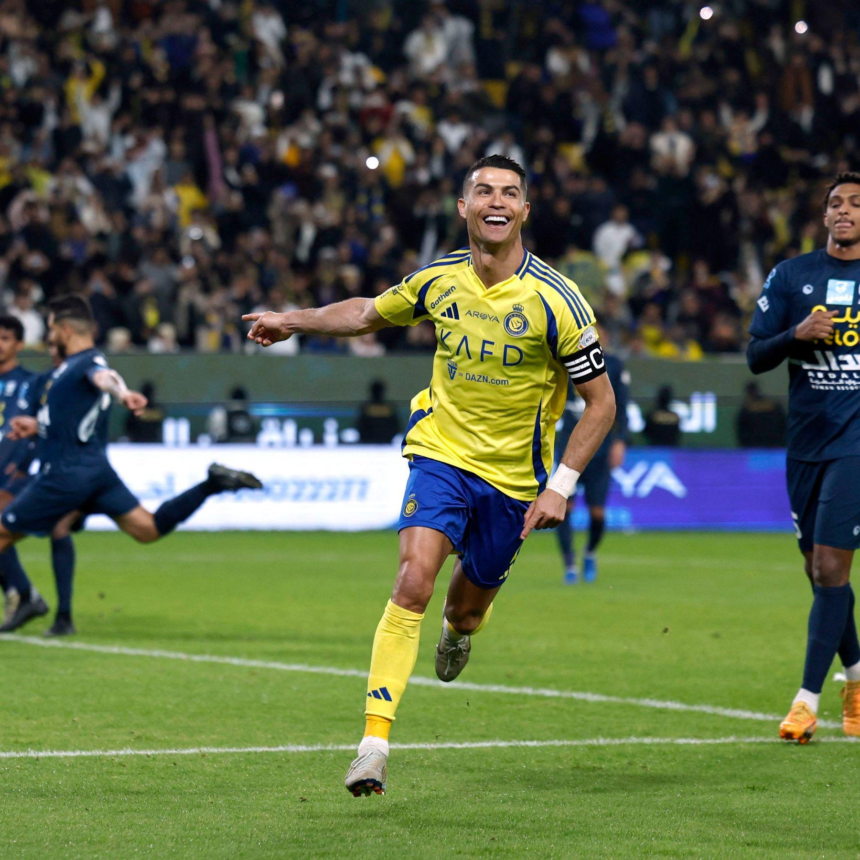
Al-Nassr’s approach was assertive from the opening whistle. Within 11 minutes, Ronaldo delivered the breakthrough, finishing clinically to give his side an immediate advantage. That goal was more than just an opener—it marked his 969th career strike, bringing him within 31 goals of the symbolic 1,000-goal milestone.


The early goal shifted the psychological balance. Al-Wasl, backed by a strong home crowd, struggled to recover composure as Al-Nassr increased tempo and pressure.
Two Goals in Two Minutes: The Turning Point
The decisive phase came shortly after. In a rapid sequence, Iñigo Martínez and Abdulelah Al-Amri both found the net, with João Félix providing the assists.


This two-minute burst transformed the scoreline from competitive to commanding. At 3–0 before halftime, the structural integrity of Al-Wasl’s setup was exposed:
- Defensive spacing collapsed under sustained pressure
- Midfield control shifted entirely to Al-Nassr
- Transition defense failed to contain quick attacking movements
From that point onward, the match was effectively decided.
Tactical Control and Midfield Dominance
Al-Nassr’s superiority was not limited to finishing. Their midfield dictated tempo, recycling possession efficiently and limiting Al-Wasl’s attacking opportunities.
Key elements of their dominance included:


- Structured pressing that disrupted build-up play
- Efficient use of wide areas to stretch the defense
- Quick vertical transitions, particularly through Félix and Brozović
Al-Wasl attempted sporadic counterattacks, but their efforts lacked cohesion and precision in the final third.
Mané Seals the Result
Late in the match, Sadio Mané added the fourth goal, reinforcing the comprehensive nature of the victory. His finish capped a performance that combined control, pace, and clinical execution.
The 4–0 result reflected not just scoring efficiency but total match management—from early aggression to controlled closing phases.
Ronaldo’s Milestone Moment
Ronaldo’s contribution extended beyond the opening goal. His presence influenced the tempo, positioning, and defensive attention throughout the match.
At 41 years old, his 969th career goal underscores sustained elite performance. He remains:
- The leading international goal scorer in football history
- A central figure in Al-Nassr’s domestic and continental ambitions
- A focal point heading into the 2026 FIFA World Cup with Portugal
His post-match message—“See you in the semi finals”—captured both confidence and continuity in Al-Nassr’s campaign.
What the Result Means for the Tournament
With this victory, Al-Nassr advanced to the semi-finals of the AFC Champions League Two. Their next opponent will emerge from the clash between Al Ahli SC (Qatar) and Al Hussein (Jordan).
Elsewhere in the bracket, Gamba Osaka and Bangkok United have already secured their semi-final positions, setting up a competitive final stage.
Broader Implications: Performance and Momentum
This result carries several implications:
1. Competitive Statement
Al-Nassr demonstrated clear superiority against a strong UAE side, reinforcing their status as tournament contenders.
2. Squad Depth and Cohesion
Multiple goal scorers and assist providers highlight a balanced attacking system rather than reliance on a single player.
3. Momentum into Later Rounds
A dominant first-leg performance reduces pressure in subsequent matches and allows tactical flexibility.
4. Ronaldo’s Ongoing Narrative
The pursuit of 1,000 career goals adds a narrative dimension that extends beyond club competition, influencing global attention.
Conclusion: A Controlled, Clinical Performance
The Al Wasl vs Al Nassr highlights tell a straightforward story: early efficiency, tactical discipline, and sustained dominance.
From Ronaldo’s milestone goal to the rapid double strike that defined the match, Al-Nassr executed with precision. The final scoreline—4–0—accurately reflects the balance of play.
As the competition progresses, this performance positions Al-Nassr not just as participants, but as a side capable of controlling outcomes at the highest level.