
Hegseth Ezekiel 25:17 Controversy: When Scripture, Cinema, and Politics Collide
Introduction: A Prayer That Sparked a National Debate
A single prayer delivered inside one of the world’s most powerful military institutions has triggered a complex and highly charged debate—one that sits at the intersection of religion, politics, popular culture, and public accountability.
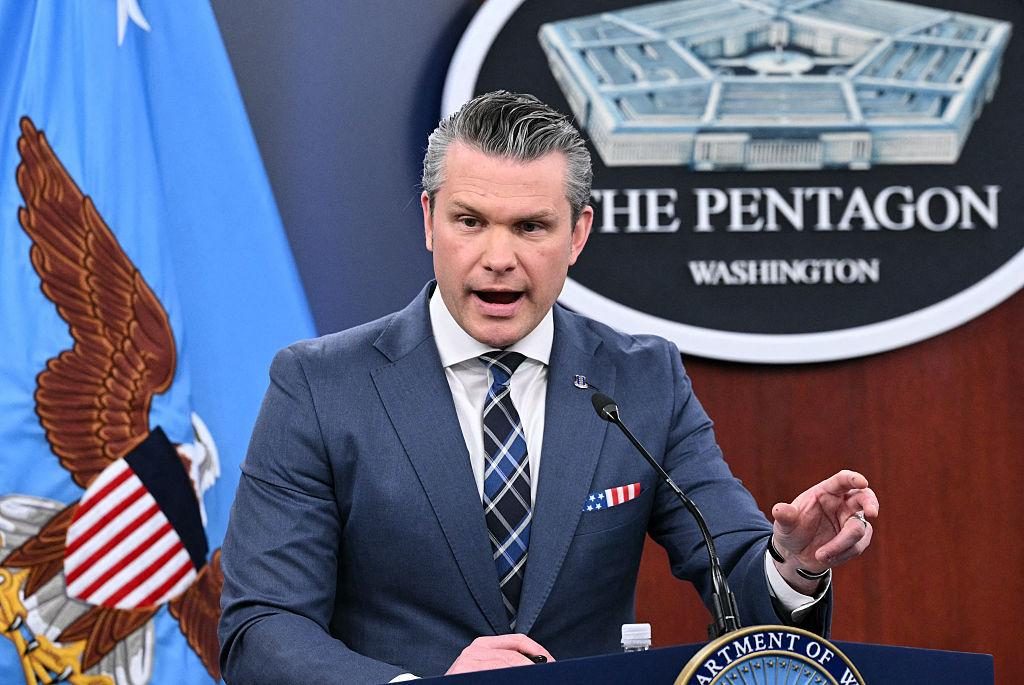
In April 2026, U.S. Defense Secretary Pete Hegseth found himself at the center of widespread criticism after reciting a passage during a Pentagon worship service that closely resembled a well-known monologue from the 1994 film Pulp Fiction, directed by Quentin Tarantino. The passage was framed as inspired by Book of Ezekiel 25:17—a biblical verse often associated with divine judgment.
What followed was not merely a viral moment, but a broader discussion about authenticity, symbolism, and the role of religious language in government and military settings.
The Pentagon Prayer: What Hegseth Actually Said
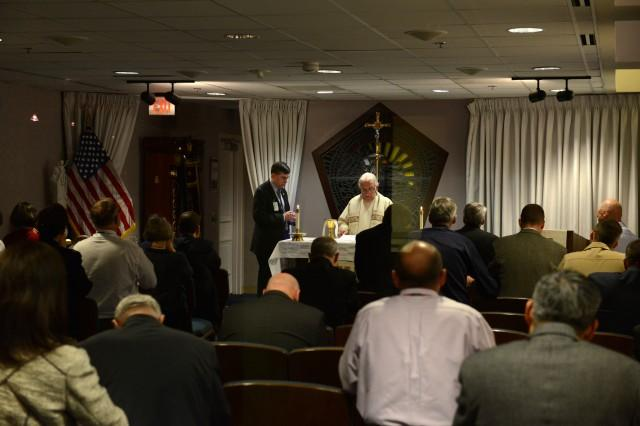
During a Pentagon worship service on April 15, Hegseth led a prayer he described as originating from a Combat Search and Rescue (CSAR) mission—specifically tied to a recent operation involving downed U.S. Air Force personnel in Iran.
He introduced the passage as “CSAR 25:17,” suggesting a connection to Ezekiel 25:17. The prayer included lines such as:
“The path of the downed aviator is beset on all sides by the iniquities of the selfish and the tyranny of evil men… Blessed is he who, in the name of camaraderie and duty, shepherd the lost through the valley of darkness…”
The closing line drew particular attention:
“And you will know my call sign is Sandy One when I lay my vengeance upon thee.”
That final phrase—“my call sign is Sandy One”—is not part of any biblical text, and instead echoes the famous cinematic monologue delivered by Samuel L. Jackson’s character, Jules Winnfield, in Pulp Fiction.
The Original Verse vs. Hollywood Adaptation
To understand the controversy, it is necessary to compare three versions of the same idea:
The Biblical Source (Ezekiel 25:17)
The original verse reads:
“And I will execute great vengeance upon them with furious rebukes; and they shall know that I am the Lord when I shall lay my vengeance upon them.”
This passage reflects a theme common in the Old Testament: divine justice against those who oppose God’s people.
The “Pulp Fiction” Version
In Pulp Fiction, the monologue expands dramatically, adding philosophical and moral framing:
“The path of the righteous man is beset on all sides by the inequities of the selfish and the tyranny of evil men…”
This version is largely fictional, borrowing only the closing sentiment from the Bible while adding entirely new language.
Hegseth’s Adaptation
Hegseth’s prayer closely mirrors the Pulp Fiction version but modifies it to fit a military context:
- “righteous man” → “downed aviator”
- “charity and goodwill” → “camaraderie and duty”
- “my name is the Lord” → “my call sign is Sandy One”
The structure and cadence remain nearly identical to the film’s script, not the biblical text.
The CSAR Context: Military Tradition or Cultural Hybrid?
Hegseth defended the prayer by describing it as a traditional recitation used by search-and-rescue teams—specifically those operating under the “Sandy 1” call sign during missions.
Pentagon spokesperson Sean Parnell later clarified that the prayer was “obviously inspired by dialogue in Pulp Fiction,” while also asserting that both the film and the prayer were ultimately derived from Ezekiel 25:17.
This explanation highlights a broader phenomenon: the blending of military culture with popular media references. In high-stress environments, symbolic language—whether religious or cinematic—can serve as a form of psychological reinforcement.
However, when such language is presented in a formal government setting, particularly a religious one, the distinction between inspiration and misrepresentation becomes more consequential.
Public Reaction: Ridicule, Criticism, and Political Fallout
The response was immediate and polarized.
Social Media Backlash
Online platforms such as X and Reddit saw a wave of criticism:
- Some users mocked the speech as “directly from the movie.”
- Others described it as “embarrassing” or “a shocking mix of ignorance and theatrics.”
- Critics argued that quoting Hollywood dialogue as scripture undermined the seriousness of a Pentagon setting.
Media and Commentary
Prominent commentators also weighed in, questioning whether the incident reflected a broader pattern of blending political messaging with performative religiosity.
Political Context
The controversy did not occur in isolation. At the time of the prayer:
- House Democrats had introduced articles of impeachment against Hegseth.
- Allegations included issues related to U.S. operations in Iran and personal conduct.
This context amplified scrutiny, turning what might have been a cultural curiosity into a politically charged issue.
Religion, Power, and the State: A Deeper Tension
Beyond the immediate controversy lies a more structural question: what is the appropriate role of religious expression in government institutions?
Critics argue that:
- Government-led worship services risk violating the separation of church and state.
- Religious rhetoric tied to military action can blur ethical boundaries.
Legal experts have suggested that such practices may raise concerns under the First Amendment’s establishment clause, particularly when conducted on government property.
At the same time, supporters maintain that:
- Personal expressions of faith are integral to many service members’ identities.
- Symbolic language—religious or otherwise—has long been part of military tradition.
The Cultural Layer: Why Pulp Fiction Matters Here
The involvement of Pulp Fiction is not incidental. The film’s monologue itself is a reinterpretation—a stylized, fictional extension of biblical language used to dramatize violence and morality.
When that same language reappears in a real-world military context, it creates a layered effect:
- Biblical authority (Ezekiel 25:17)
- Cinematic reinterpretation (Pulp Fiction)
- Military adaptation (CSAR prayer)
- Political delivery (Pentagon service)
Each layer introduces new meaning—and potential confusion.
What Comes Next: Implications and Outlook
The Hegseth Ezekiel 25:17 controversy is unlikely to fade quickly, for several reasons:
- Political stakes remain high due to ongoing impeachment discussions.
- Media scrutiny of religious rhetoric in government settings is increasing.
- Public sensitivity to authenticity—particularly in leadership communication—is more pronounced than ever.
Future developments may include:
- Greater oversight of religious activities within federal institutions
- More cautious use of symbolic language in official settings
- Continued debate over the boundaries between personal belief and public duty
Conclusion: A Moment That Resonates Beyond the Prayer
What began as a prayer intended to honor military service quickly evolved into a national conversation about authenticity, symbolism, and responsibility.
The Hegseth Ezekiel 25:17 episode underscores a broader reality: in an era where information spreads instantly and audiences are highly literate in both scripture and pop culture, the line between inspiration and appropriation is closely scrutinized.
In this case, the fusion of Bible verse and Hollywood dialogue did more than raise eyebrows—it opened a wider debate about how leaders communicate meaning, authority, and belief in public life.


