

Susie Wiles: The Quiet Strategist Reshaping Power at the White House
The Unseen Architect Behind Political Power
In modern American politics, influence is often measured by visibility. Yet Susie Wiles has built her reputation in the opposite way—through discretion, control, and precision. Named among The 100 Most Influential People of 2026, Wiles represents a rare class of political operator: unelected, largely unseen, yet central to the direction of executive power.
Her rise to prominence is not the result of sudden opportunity but a sustained record of strategic discipline. From managing campaign operations to now serving as chief of staff to Donald Trump, Wiles has become one of the most consequential figures shaping the administration’s internal order and external decisions.
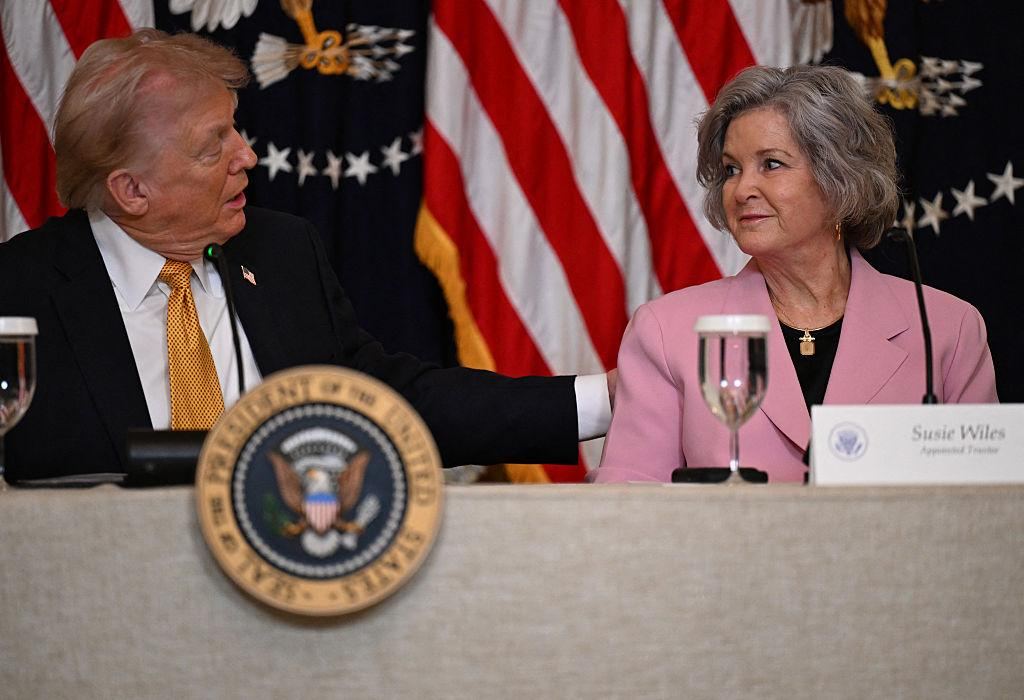
From Campaign Strategist to White House Power Center
Wiles first established her political influence during Trump’s presidential campaigns, successfully running Florida operations in both 2016 and 2020. These victories were not incidental; Florida remains one of the most strategically important battleground states in U.S. elections. Her ability to deliver results in such a high-stakes environment marked her as a critical asset.
Her role expanded dramatically when she took control of Trump’s broader political operation during what was described as his “darkest days.” At a time when internal divisions and political setbacks threatened his position, Wiles provided structure and continuity, guiding his return to the White House.
This transition—from campaign strategist to chief of staff—represents more than a promotion. It reflects a consolidation of influence, placing Wiles at the center of decision-making within the administration.
Commanding the West Wing: Discipline Over Chaos
Inside the White House, Wiles’ leadership style is defined by order and control. Historically, the West Wing has been characterized by factional infighting and competing power centers. Wiles has moved to recalibrate that environment.
Her authority is widely regarded as unmatched within Trump’s orbit. She has imposed operational discipline, streamlined communication channels, and cultivated a culture centered on loyalty. These structural adjustments are not cosmetic—they directly affect how policy decisions are formulated and executed.
One of the most telling indicators of her influence is her proximity to presidential decision-making. She is often described as the final voice Trump hears before major choices are made. According to longtime pollster Tony Fabrizio:
“Short of a family member, the level of trust he has in her is unprecedented.”
This level of trust is not typical in political administrations, where turnover and internal rivalries are common. It underscores Wiles’ unique position as both strategist and confidant.
The “Adult in the Room” During Crisis
Wiles’ role becomes even more critical in times of geopolitical tension. During the escalating conflict involving Iran, she has been described as “the adult in the room,” responsible for maintaining focus and discipline within an administration navigating complex international dynamics.
Her presence in high-level meetings further illustrates her influence. Notably, she was the only woman present in key Situation Room discussions, including those involving Benjamin Netanyahu and strategic deliberations preceding military actions.
These moments highlight a critical dimension of her role: she is not merely managing internal operations but actively participating in decisions with global implications.
Leadership Under Personal Adversity
In March 2026, Wiles’ personal resilience became part of the public narrative when she was diagnosed with cancer. Rather than stepping away, she chose to remain in her role while undergoing treatment.
The decision carries symbolic and operational significance. For White House staff, it reinforced her reputation for discipline and commitment. For Trump, it emphasized her irreplaceability within the administration.
Her continued presence during treatment reflects a leadership model built on endurance and consistency—qualities that are particularly valued in high-pressure political environments.
Power Without Publicity
Wiles’ influence challenges conventional assumptions about political power. Unlike high-profile advisers who dominate media cycles, she operates with minimal public exposure. Her authority is exercised internally, through structure, access, and trust rather than public messaging.
This approach has several implications:
- Stability: Reduced public friction within the administration
- Efficiency: Clearer decision-making pathways
- Control: Centralized management of political and administrative processes
In many ways, Wiles represents a return to a more traditional model of political advising—one where effectiveness is measured by outcomes rather than visibility.
Broader Implications for Governance
Wiles’ role raises broader questions about the nature of influence in modern governance. Unelected officials have always played significant roles in shaping policy, but her level of authority—combined with her low public profile—places her in a distinctive category.
Her leadership suggests a shift toward:
- Greater reliance on trusted inner-circle advisers
- Increased emphasis on organizational discipline within the executive branch
- A preference for strategic consistency over internal plurality
These trends may influence how future administrations structure their leadership teams and manage internal dynamics.
What Comes Next
Looking ahead, Wiles’ influence is likely to remain central to the administration’s trajectory. Several factors will shape her continued role:
- The evolution of geopolitical tensions, particularly in the Middle East
- Domestic political pressures and policy priorities
- Her personal health and capacity to sustain her demanding position
Regardless of these variables, her current standing suggests that she will remain a defining figure in the administration’s operational and strategic framework.
Conclusion: The Power Behind the Presidency
Susie Wiles embodies a form of political power that is both understated and formidable. Her ability to impose order, maintain trust, and guide decision-making at the highest level has positioned her as one of the most influential figures in contemporary American politics.
Her story is not one of public spectacle but of structural impact. In an era where visibility often equates to influence, Wiles demonstrates that the most consequential power can still reside behind closed doors.


