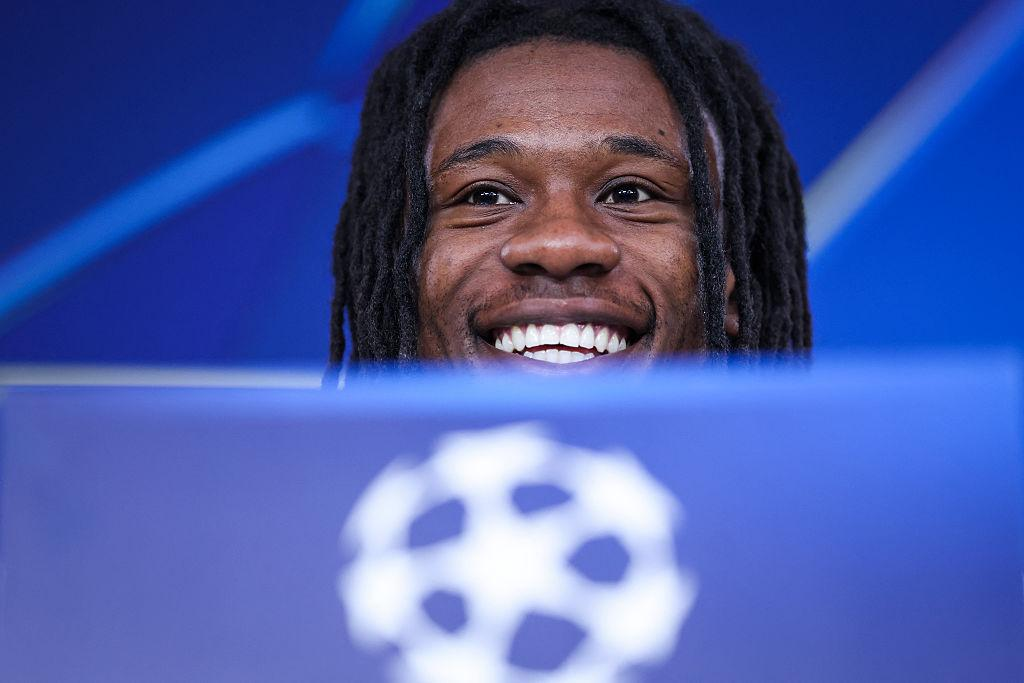
A Defining Night for Eduardo Camavinga
Few players in modern football embody versatility and composure quite like Eduardo Camavinga. Yet in one of the most dramatic nights of his career, the young midfielder found himself at the center of intense scrutiny following a controversial red card that significantly altered the trajectory of a high-stakes UEFA Champions League clash.
The quarter-final tie between Real Madrid and Bayern Munich delivered everything expected from two European giants—goals, tactical battles, and moments of individual brilliance. However, it was a late-game decision involving Camavinga that ultimately dominated headlines and shaped the outcome.
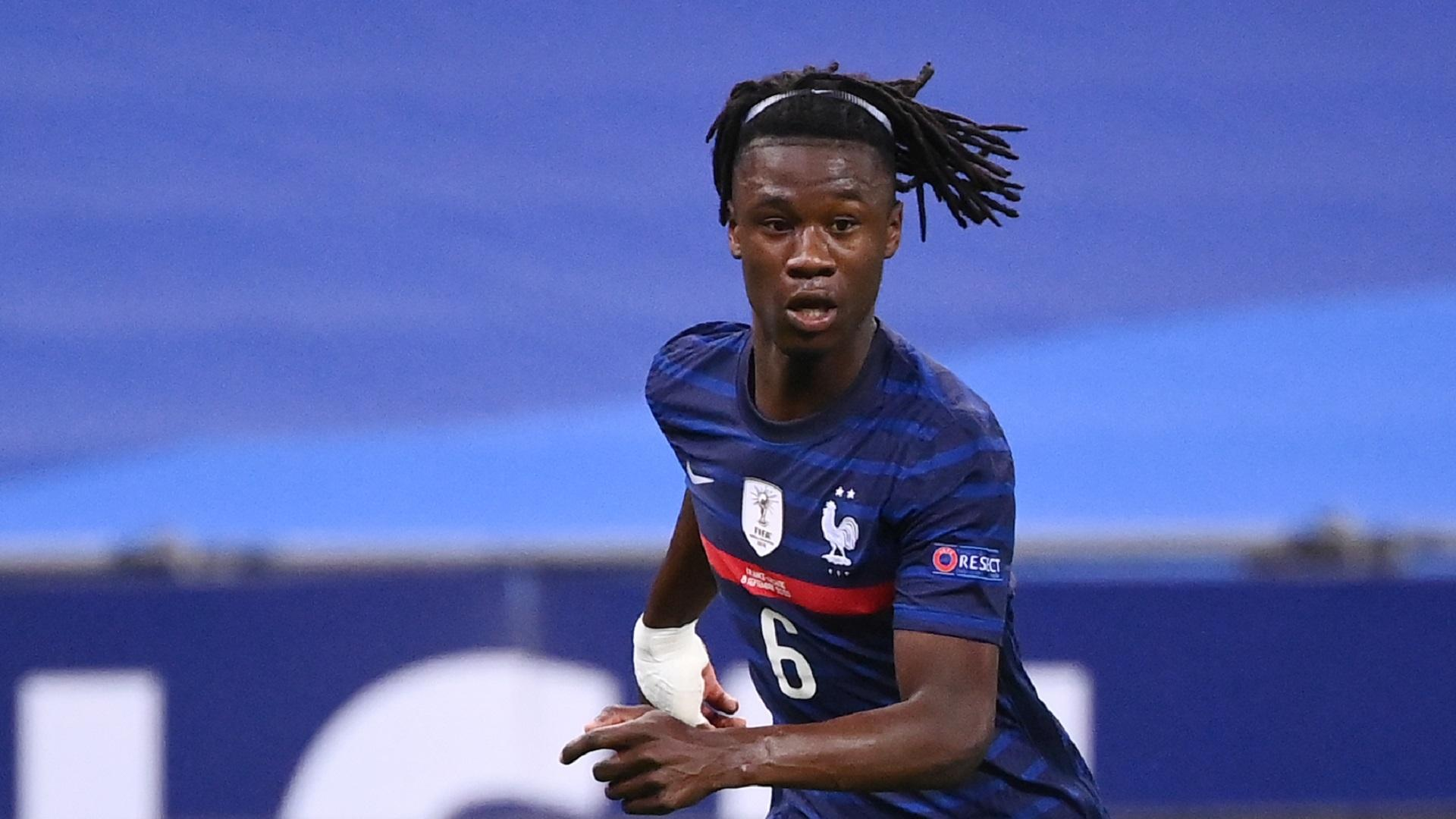
The Match That Changed Everything
A High-Intensity European Encounter
The second leg of the quarter-final ended in a 4–3 victory for Bayern Munich on the night, sealing a 6–4 aggregate win. The match itself was finely balanced for long periods, with both sides demonstrating attacking intent and defensive vulnerability.
At 3–3 on aggregate during the match, the tie remained open. Real Madrid’s attacking threats, including rapid transitions and clinical finishing, were countered by Bayern’s structured buildup and relentless pressing.
However, the equilibrium was disrupted late in the game.
The Red Card Incident Explained
What Happened on the Pitch
The turning point came in the closing minutes when Camavinga received a second yellow card, resulting in his dismissal.
After conceding a foul to Harry Kane, Camavinga attempted to delay the restart by moving the ball away, preventing a quick free-kick. The referee deemed this action as time-wasting—an offense that warranted a yellow card.
Crucially, Camavinga had already been booked earlier in the match. Once the referee recognized this, the second yellow automatically escalated into a red card, reducing Real Madrid to ten men at a decisive moment.
As described in the match report, the dismissal occurred late in the game and left Madrid exposed, allowing Bayern to capitalize immediately and secure progression.
Diverging Reactions: Fair Decision or Harsh Call?
Bayern Munich’s Perspective
From Bayern’s camp, there was little ambiguity regarding the decision.
Harry Kane, who played a central role in the match, stated clearly:
“I think it was undoubtedly a red card… I believe we deserved to win.”
Kane emphasized that across both legs, Bayern’s performance justified their advancement.
Similarly, Bayern sporting leadership defended the referee’s interpretation of the rules. Their argument was straightforward: delaying a restart is a bookable offense, and once a player has already been cautioned, the consequences are automatic.
Real Madrid’s Response
The reaction from Real Madrid was markedly different.
Manager Álvaro Arbeloa expressed frustration and disbelief at the decision, describing it as unjust and overly harsh. He suggested that the referee may not have initially realized Camavinga had already received a yellow card, raising concerns about officiating consistency.
Arbeloa stated:
“Nobody understands how a player can be sent off for an action like that… the feeling is one of injustice and anger.”
He further argued that such a decision disrupted what had been a competitive and balanced match, ultimately determining the outcome in a way that overshadowed the players’ efforts.
Tactical and Psychological Impact
How the Red Card Shifted the Game
The dismissal had immediate tactical consequences:
- Real Madrid lost midfield control and defensive stability
- Bayern gained numerical superiority and more space in attacking areas
- Momentum shifted sharply in favor of the German side
Within minutes, Bayern capitalized on the advantage, scoring decisive goals that eliminated Madrid from the competition.
From a psychological standpoint, the red card also disrupted Madrid’s composure. The team, already under pressure, struggled to reorganize effectively, while Bayern maintained focus and discipline.
Camavinga’s Performance: A Tale of Two Halves
Interestingly, Camavinga’s performance prior to the dismissal had been largely positive.
He brought energy, defensive awareness, and physicality to the midfield—qualities that have defined his rapid rise in European football. However, two moments proved costly:
- A reckless earlier challenge that resulted in his first yellow card
- The late decision to delay play, triggering the second booking
These actions transformed what could have been a solid cameo into a defining negative moment of the match.
Broader Implications for Real Madrid
A Season-Altering Exit
The elimination carries significant consequences for Real Madrid:
- Their pursuit of a record-extending Champions League title ended prematurely
- Internal scrutiny over squad decisions and coaching direction intensified
- Focus now shifts to domestic competition, where they trail league leaders
The defeat also raises questions about discipline and game management in high-pressure scenarios—areas where elite teams are typically expected to excel.
What This Means for Camavinga’s Career
A Setback, Not a Defining Failure
At just 23 years old, Camavinga remains one of the most promising midfielders in world football. His ability to operate across multiple roles—defensive midfield, central midfield, and even left-back—makes him a critical asset for both club and country.
While the red card represents a significant setback, it is unlikely to define his long-term trajectory. Instead, it highlights areas for development:
- Decision-making under pressure
- Game awareness in late-match situations
- Emotional control in high-stakes environments
Such experiences are often part of the maturation process for elite players.
The Larger Debate: Rules vs. Context
Should the Referee Have Shown More Discretion?
The incident has reignited a recurring debate in football:
- Should referees strictly enforce rules regardless of context?
- Or should they apply discretion in high-stakes moments?
In this case, the referee applied the law as written—time-wasting is a bookable offense. However, critics argue that the context of the match and the severity of the punishment (a red card) warranted a more measured approach.
This tension between rule enforcement and game management remains one of football’s most contentious issues.
Conclusion: A Moment That Will Be Remembered
Eduardo Camavinga’s red card in this Champions League clash will be remembered as a decisive turning point in an otherwise evenly matched contest.
For Bayern Munich, it validated their resilience and tactical discipline. For Real Madrid, it represents a painful exit shaped by a moment of controversy.
For Camavinga himself, it is a reminder of the fine margins that define elite football—where a single decision, made in seconds, can alter the course of an entire season.