A Landmark Legal Battle at Sea
A federal jury’s decision to hold Carnival Corporation liable for overserving alcohol to a passenger has placed renewed scrutiny on cruise ship safety practices and onboard alcohol policies. The case—centered on California nurse Diana Sanders—has become one of the most closely watched legal disputes involving passenger responsibility and corporate duty in the cruise industry.
- A Landmark Legal Battle at Sea
- The Incident: A Night That Led to a Lawsuit
- The Legal Argument: Duty of Care vs Personal Responsibility
- The Verdict: A Rare Outcome
- Carnival’s Response and Next Steps
- Why This Case Matters for the Cruise Industry
- A Broader Pattern: Not an Isolated Case
- The Core Tension: Freedom vs Protection
- What Happens Next?
- Conclusion: A Defining Moment for Cruise Accountability
The verdict awarded Sanders $300,000 in damages after a serious onboard incident that followed hours of alcohol consumption. More significantly, the ruling raises broader questions about how cruise lines balance entertainment, revenue, and passenger safety.
The Incident: A Night That Led to a Lawsuit
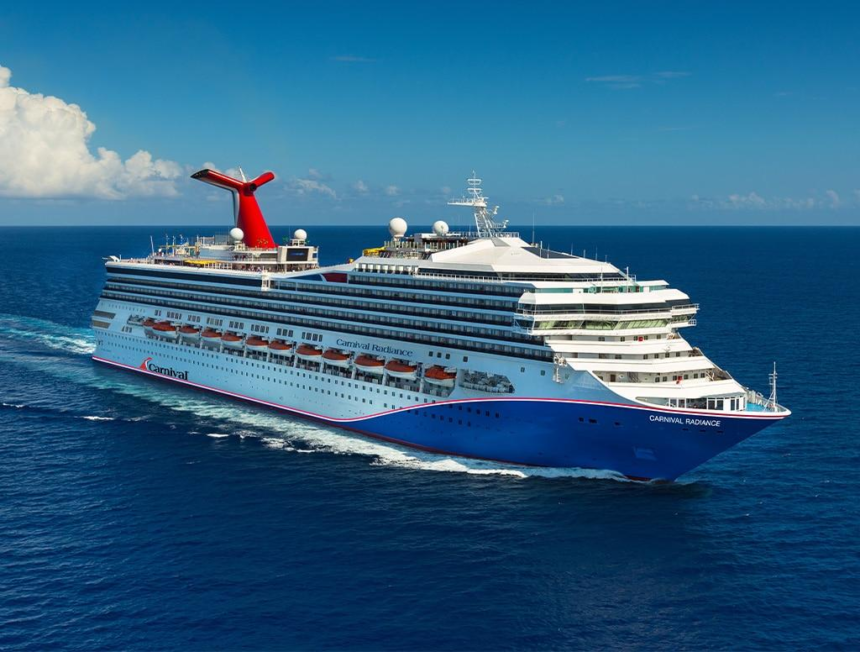
The events that triggered the lawsuit unfolded on January 5, 2024, aboard the Carnival Radiance.


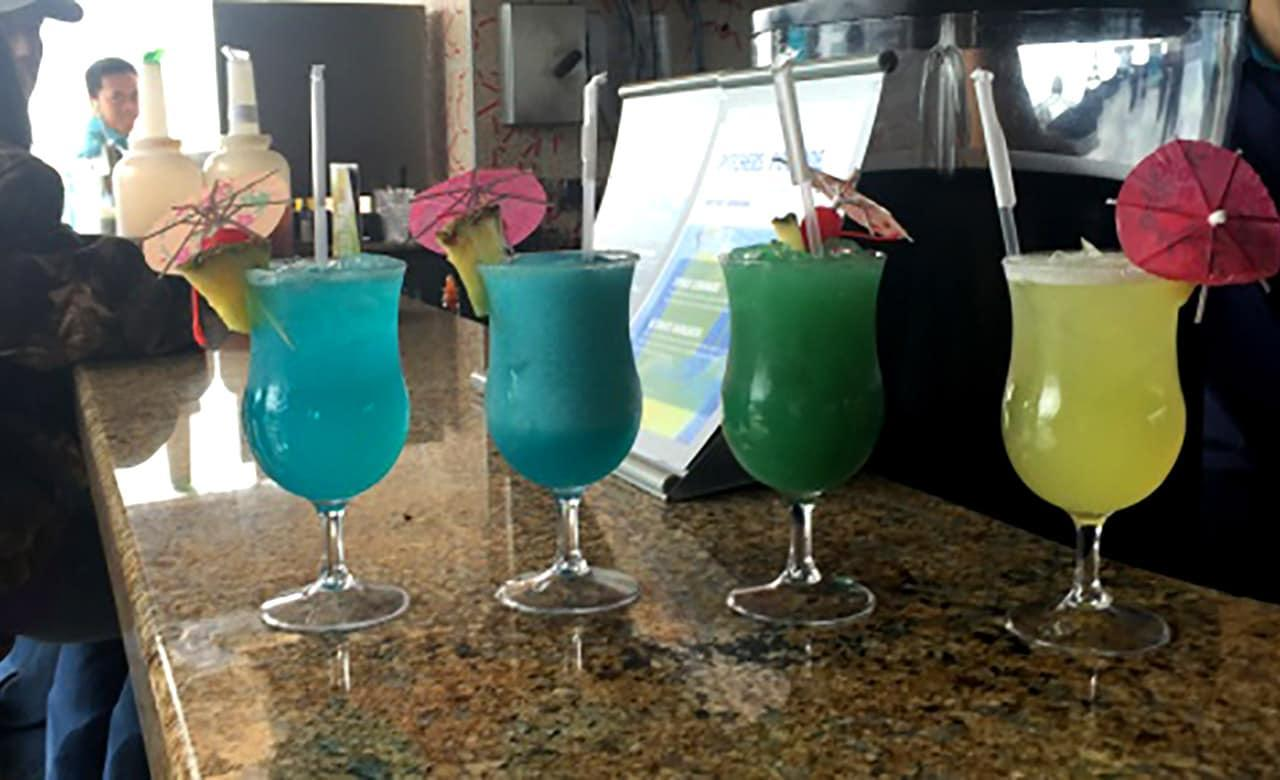
According to court documents, Sanders was served at least 14 shots of tequila over an eight-hour period, between approximately 2:58 p.m. and 11:37 p.m.
What followed was a severe fall shortly before midnight.


The injuries described in the complaint were extensive:
- Concussion and persistent headaches
- Possible traumatic brain injury
- Back and tailbone injuries
- Bruising and additional physical trauma
The lawsuit argued that Sanders’ intoxicated state—resulting from what her legal team described as excessive alcohol service—directly contributed to the fall and subsequent injuries.
The Legal Argument: Duty of Care vs Personal Responsibility
At the heart of the case was a fundamental legal question:
How far does a cruise line’s responsibility extend when serving alcohol to passengers?


Plaintiff’s Position
Sanders’ legal team argued that Carnival had a duty of care toward its passengers, including:
- Monitoring alcohol consumption
- Recognizing visible intoxication
- Intervening when behavior becomes unsafe
They emphasized that cruise operators must “exercise reasonable care for the safety of its passengers,” including supervising individuals engaging in potentially dangerous behavior.
The complaint also presented a broader critique of the cruise business model:
Carnival “deliberately designs its vessels … to ensure that there are alcohol serving stations in every nook and cranny of the ship.”
The implication was clear: alcohol sales are not incidental—they are structurally embedded into the onboard experience.
Carnival’s Defense
Carnival strongly contested the claims throughout the 17-month legal process.
The company’s defense relied on several key arguments:
- Sanders failed to identify the specific crew member responsible for overserving her
- There was no clear evidence that staff knew she was intoxicated
- There were no allegations of visible signs such as stumbling or slurred speech
Carnival’s legal team argued that without identifying negligence at the individual level, the broader claim against the company should not stand.
The Verdict: A Rare Outcome
Despite Carnival’s defense, the jury ruled in favor of Sanders.
Key elements of the decision included:
- $300,000 awarded in damages
- 60% fault assigned to Carnival
- 40% fault assigned to Sanders herself
Notably, the final award exceeded the $250,000 initially requested during trial.
Legal experts highlighted the rarity of such an outcome. Cases involving alcohol overservice often settle before trial, and even fewer result in a jury finding a cruise line partially liable.
Carnival’s Response and Next Steps
Following the verdict, Carnival made its position clear.
A company spokesperson stated that it:
“respectfully disagrees with the verdict and believes there are grounds for a new trial and appeal, which it will pursue.”
This indicates that the legal battle is likely not over. Appeals could reshape or potentially overturn aspects of the decision.
Why This Case Matters for the Cruise Industry
This lawsuit carries implications that extend well beyond a single incident.
1. Alcohol as a Revenue Driver
Cruise lines heavily rely on onboard spending, with alcohol sales forming a substantial portion of revenue. The case highlights tension between:
- Encouraging consumption
- Maintaining safety standards
2. Changing Expectations of Liability
The jury’s ruling suggests a shift toward holding companies accountable for:
- Environmental design (availability of alcohol)
- Operational oversight (monitoring passenger behavior)
3. Legal Precedent
Although not binding precedent in all jurisdictions, the case may:
- Encourage similar lawsuits
- Influence settlement strategies
- Push cruise lines to revise internal policies
A Broader Pattern: Not an Isolated Case
The Sanders lawsuit is not the only legal action raising concerns about alcohol service at sea.
A separate case filed against Royal Caribbean alleged that a passenger was served 33 alcoholic drinks before his death.
Together, these cases point to a pattern of legal challenges that may force industry-wide reassessment.
The Core Tension: Freedom vs Protection
Cruise vacations are marketed as spaces of leisure and indulgence. Unlimited drink packages, multiple bars, and social environments are central to the appeal.
However, this case underscores a critical tension:
- Passengers expect autonomy and entertainment
- Operators are expected to ensure safety
The Sanders verdict suggests that courts may increasingly require cruise lines to actively intervene when risk becomes foreseeable.
What Happens Next?
Several developments are likely to follow:
- Carnival’s appeal could redefine the legal boundaries of responsibility
- Cruise lines may introduce stricter alcohol service protocols
- Insurance and liability frameworks across the industry could shift
In practical terms, passengers may begin to notice:
- More monitoring by staff
- Tighter enforcement of alcohol limits
- Greater emphasis on safety messaging
Conclusion: A Defining Moment for Cruise Accountability
The Diana Sanders lawsuit represents more than a personal legal victory. It signals a broader recalibration of responsibility in environments designed for consumption and entertainment.
By assigning the majority of fault to Carnival, the jury effectively reinforced the principle that corporate responsibility does not end at the point of sale—especially when safety risks are foreseeable.
As the case moves into potential appeals, its long-term impact will depend on whether courts continue to expand expectations around duty of care at sea.
For now, the verdict stands as a clear message:
In the cruise industry, the balance between profit and protection is no longer immune from legal scrutiny.