Clémentine Autain: Between Political Conviction and Public Debate in 2026
In April 2026, Clémentine Autain once again found herself at the center of France’s political and cultural conversation. A prominent voice on the French left, Autain’s recent activities—ranging from public demonstrations in Paris to a high-profile event cancellation—highlight both the intensity of her political engagement and the unpredictable realities of public life.
This moment captures more than a single headline. It reflects the evolving role of political figures in modern France, where activism, public expectations, and personal circumstances intersect in increasingly visible ways.
A Political Figure in the Spotlight
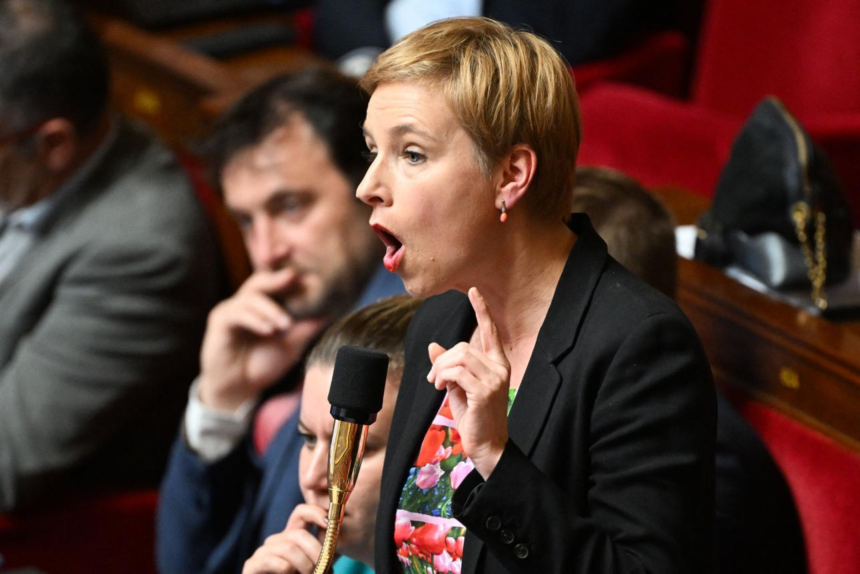
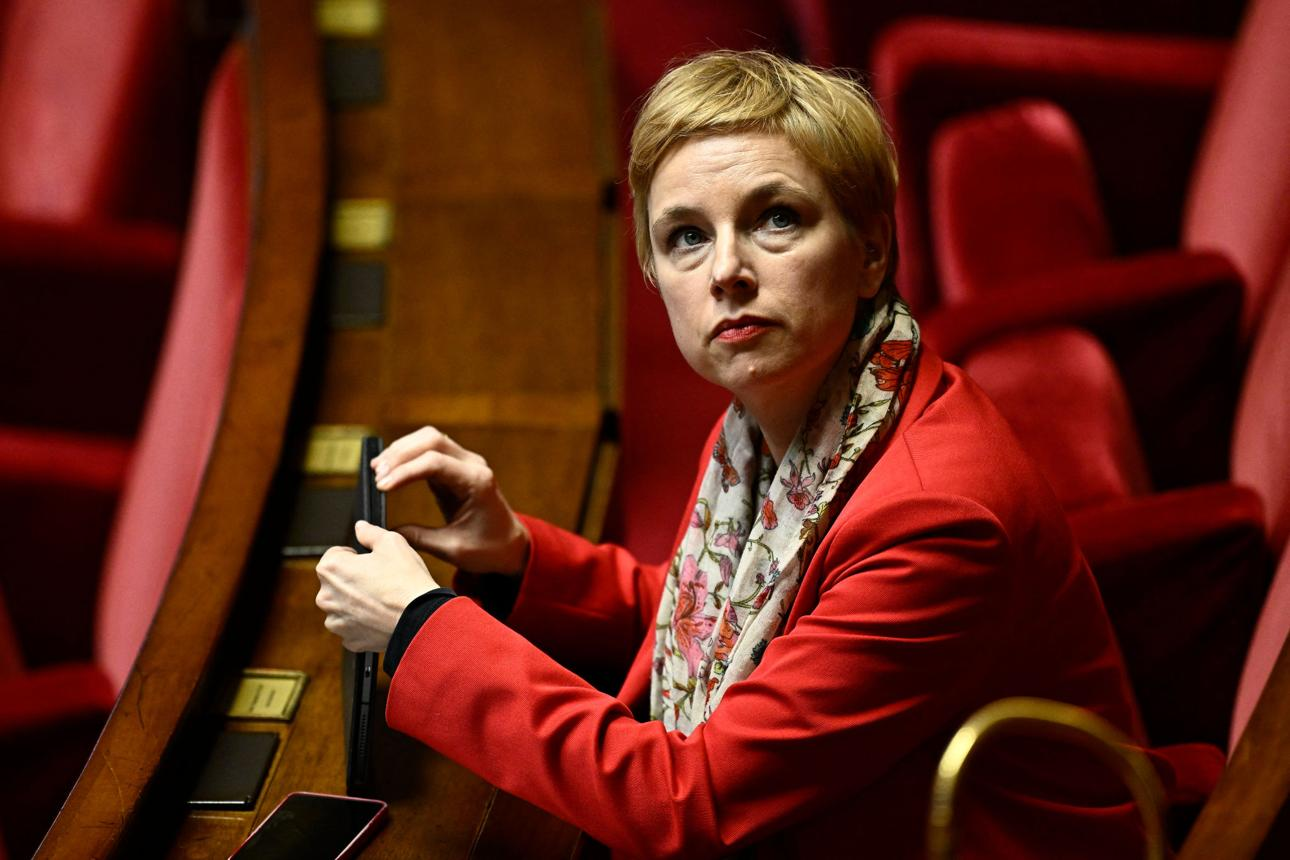
Clémentine Autain serves as a Member of Parliament representing the 11th constituency of Seine-Saint-Denis. Known for her outspoken positions on social justice, feminism, and civil liberties, she has built a reputation as a consistent advocate for progressive causes within French politics.


In mid-April 2026, she appeared publicly at a rally in Paris opposing the proposed Yadan bill, a legislative initiative aimed at addressing new forms of anti-Semitism. The bill, named after French lawmaker Caroline Yadan, is scheduled for parliamentary debate on April 16 and 17.
Autain’s presence at the rally reflects broader concerns among segments of the political left. Critics argue that the legislation could blur the line between combating anti-Semitism and restricting freedom of expression, particularly in debates related to international politics. This position places Autain among those advocating for a more cautious legislative approach, emphasizing civil liberties alongside anti-discrimination efforts.


The Festitaf Withdrawal: A Cultural Setback
While Autain’s political visibility remains strong, her absence from a key cultural event has drawn attention at the local level.
She was scheduled to participate in the third edition of Festitaf, a cultural and politically engaged festival organized by the General Confederation of Labour in Thouars. The event, planned for April 25 and 26, 2026, was set to include a film screening and a debate focused on women’s issues—a theme closely aligned with Autain’s long-standing advocacy.
However, organizers confirmed that she cancelled her appearance “with regret, for family reasons.” Despite her withdrawal, the planned screening and discussion will still proceed.
This development represents a notable setback for the festival, which had already faced disruptions. Actress Corinne Masiero had previously withdrawn due to filming commitments, leaving organizers without two of their most anticipated participants.


Festitaf: A Platform for Politics and Culture
Festitaf is more than a local festival—it serves as a platform where cultural expression and political dialogue intersect. Organized by the CGT, one of France’s largest trade unions, the event has positioned itself as a space for debate on social issues, labor rights, and equality.
The 2026 edition places particular emphasis on feminism and the status of women, themes that resonate strongly within contemporary French political discourse. Autain’s expected participation in a post-screening debate was intended to anchor these discussions with a high-profile political perspective.
Her absence does not derail the event, but it does underscore how dependent such gatherings can be on key figures to amplify their reach and impact.
Political Engagement Beyond Institutions
Autain’s recent rally appearance and festival cancellation illustrate a broader trend in modern politics: the increasing overlap between institutional roles and grassroots activism.
Rather than confining political engagement to parliamentary settings, figures like Autain frequently participate in public demonstrations, cultural forums, and community events. This approach reflects a shift toward more visible and participatory forms of political expression.
At the Paris rally, her involvement aligned with a coalition of voices questioning the implications of the Yadan bill. The debate itself highlights a recurring tension in democratic societies—how to address discrimination without compromising fundamental freedoms.
A Balancing Act: Public Duty and Personal Life
The stated reason for Autain’s withdrawal—family considerations—offers a reminder that public figures operate within personal constraints that are often invisible to the public.
In an era of constant media scrutiny, such decisions can quickly become part of the political narrative. Yet they also humanize political actors, revealing the complexities behind public roles.
For Festitaf organizers, the cancellation represents a logistical and symbolic challenge. For Autain, it reflects the ongoing balance between political commitments and personal responsibilities.
What This Moment Signals for French Politics
Taken together, these developments provide insight into the current state of French political life:
- Heightened sensitivity around legislation: The Yadan bill debate demonstrates how issues of identity, discrimination, and free speech remain deeply contested.
- Blurring of political and cultural spaces: Events like Festitaf illustrate how politics increasingly extends into cultural and social arenas.
- Dependence on public figures: High-profile participants continue to play a significant role in shaping the visibility and influence of events and movements.
- Human dimension of leadership: Personal factors can influence public engagements, reminding audiences that political figures are not immune to everyday realities.
Looking Ahead
As parliamentary debates on the Yadan bill approach, figures like Clémentine Autain are likely to remain central to public discourse. Her continued involvement in activism and legislative debates positions her as a key voice within France’s evolving political landscape.
At the same time, the Festitaf episode highlights the unpredictable nature of public life—where even well-planned events can shift due to unforeseen circumstances.
The intersection of these two narratives—political engagement and personal decision-making—offers a concise snapshot of leadership in 2026: visible, contested, and deeply human.
Conclusion
Clémentine Autain’s recent activities encapsulate the dual pressures facing modern political figures. On one hand, she stands at the forefront of critical national debates, engaging directly with contentious legislation and public mobilization. On the other, her withdrawal from Festitaf underscores the personal dimensions that shape public life.
Together, these developments reveal a political environment defined not only by policy and ideology but also by the complex interplay between public expectation and individual reality.