

Jonathan Quick Retirement: A Legendary Career Comes to a Close
The Final Night: A Farewell in Sunrise
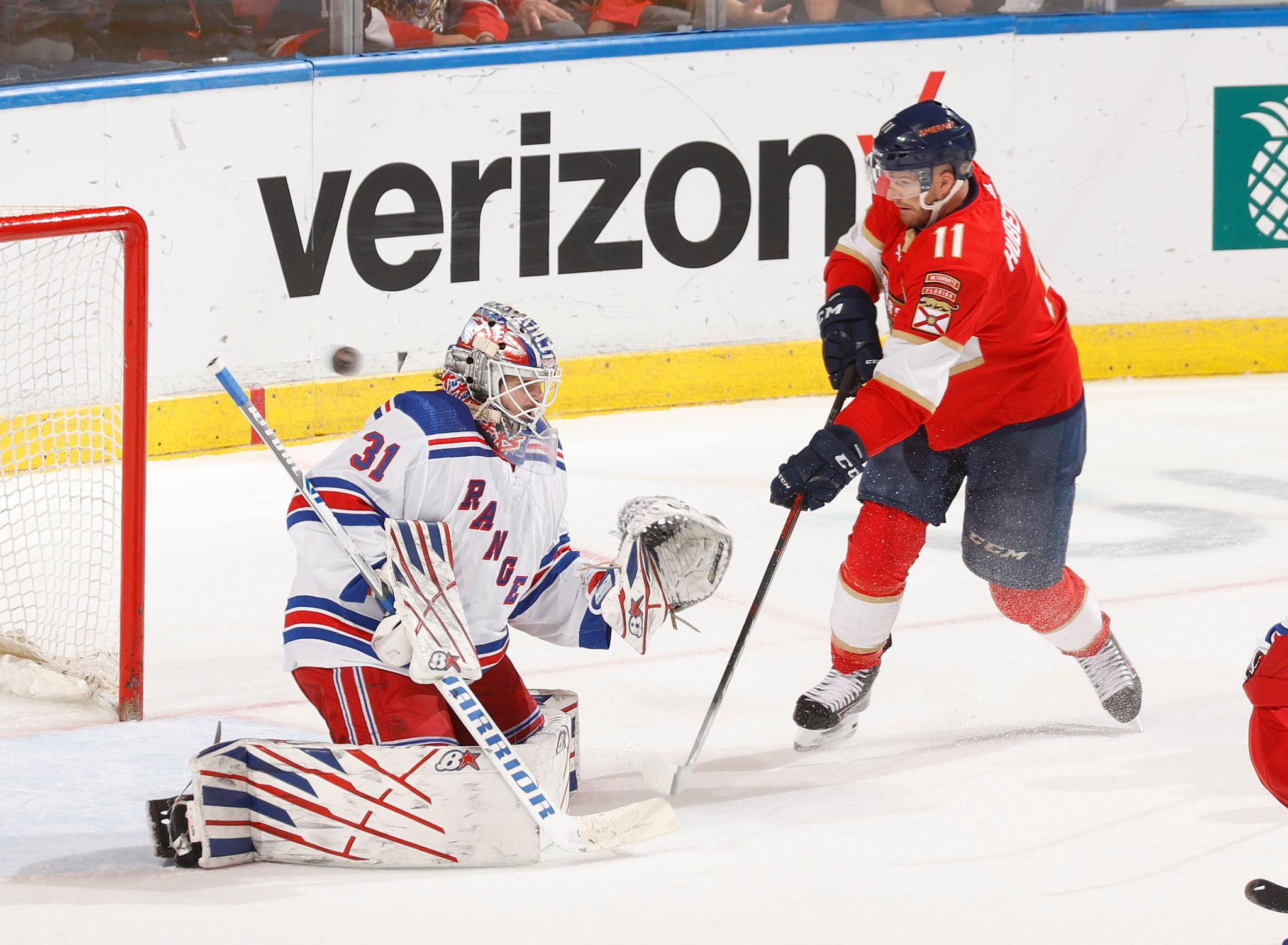
The end of a remarkable era in professional hockey arrived quietly but powerfully in Sunrise, Florida. On April 13, 2026, Jonathan Quick stepped onto the ice for the final time as the New York Rangers faced the Florida Panthers at Amerant Bank Arena.
Earlier that day, Quick confirmed what many had anticipated: his 19-season NHL career would end that very night. At 40 years old, the veteran goaltender chose to start one last game, surrounded by family who had flown in specifically to witness the moment.
“Tonight will be my last game in the League and I am looking forward to it,” Quick said, reflecting on the decision that he described as feeling “right.”
The game itself ended in a narrow 3–2 loss for the Rangers, but the result was secondary. The night belonged to Quick—a final chapter defined not by victory, but by legacy.
A Career Defined by Excellence and Longevity
Quick’s retirement closes the book on one of the most decorated goaltending careers in modern NHL history. Over nearly two decades, he built a résumé that places him firmly among the sport’s elite.
Career snapshot:
- 19 NHL seasons
- 410 career wins
- 2.51 goals-against average
- .910 save percentage
- 65 shutouts
He ranks among the top goaltenders in league history in wins, appearances, and shutouts, underscoring both his consistency and durability at the highest level.
From his early days as a draft pick of the Los Angeles Kings to his final seasons in New York, Quick maintained a standard that few could match.
The Kings Dynasty and Historic Peak
To understand Quick’s legacy, one must revisit his defining years in Los Angeles.
In 2012, he delivered what many analysts still consider one of the greatest playoff performances ever by a goaltender. His numbers—1.41 goals-against average and a .946 save percentage—were not just impressive; they were historically dominant.
That postseason earned him the Conn Smythe Trophy and powered the Kings to their first Stanley Cup in franchise history. He followed it with another championship in 2014, establishing a short-lived but impactful dynasty.
Quick’s playing style—aggressive positioning, explosive lateral movement, and near-instant reflex recovery—forced opposing teams to rethink offensive strategies. His influence extended beyond wins; he reshaped how the position was played.
A Third Cup and the Veteran Phase
While his peak years came in Los Angeles, Quick’s career did not plateau—it evolved.
Later stops with the Vegas Golden Knights and the Rangers saw him transition into a veteran presence. In 2023, he captured a third Stanley Cup as part of the Golden Knights roster, adding another layer to his legacy.
In New York, Quick embraced a mentorship role, supporting starting goaltender Igor Shesterkin while still delivering key performances. His professionalism and work ethic were widely recognized within the organization.
The Final Season and Decision to Retire
Quick’s final NHL campaign reflected both the realities of aging and the resilience that defined his career.
He recorded a 6–16–2 record with a .893 save percentage and a 3.09 goals-against average in limited action.
Behind the scenes, the decision to retire had already been made. Quick revealed that he informed team management earlier, allowing them to prepare for the future without distraction.
“As we kind of got towards the end of the season here, I let Chris [Drury] and [Mike Sullivan] know,” he said, emphasizing his desire to keep the focus on the team.
His final start, therefore, was not a sudden farewell—it was a carefully planned conclusion.
A League-Wide Impact
Quick’s retirement is more than the departure of a single player. It marks the end of a stylistic era in NHL goaltending.
Across the league, younger goalies grew up studying his movements—his aggressive challenges, his ability to track pucks through traffic, and his refusal to concede space in the crease.
Opponents respected him, teammates relied on him, and coaches built systems around him.
Even in his final game, Quick delivered a composed performance, making multiple saves and maintaining the competitive edge that defined his career.
What Comes Next for the Rangers
Quick’s departure also has immediate implications for the Rangers’ future.
With the veteran stepping away, the organization faces a clearer path in shaping its goaltending depth. Young prospects such as Dylan Garand are expected to compete for a more prominent role, while the team evaluates long-term backup options behind Shesterkin.
The transition reflects a broader reality in professional sports: even the most enduring careers eventually give way to the next generation.
Legacy Beyond the Numbers
Statistics alone do not fully capture what Quick represented.
He was:
- A Conn Smythe-winning playoff performer
- A three-time Stanley Cup champion
- A two-time Olympic representative for Team USA
- A standard-bearer for competitive intensity
More importantly, he embodied longevity in a physically demanding position. Goaltending requires not only reflexes and technique, but mental resilience under constant pressure. Quick sustained both for nearly two decades.
His career also illustrates a broader principle relevant across sports: sustained excellence depends as much on adaptation and discipline as it does on raw talent.
The Final Salute
As the final buzzer sounded in Sunrise, the moment transcended the game itself. Players from both teams acknowledged Quick’s career, offering a rare, collective tribute in a league often defined by its relentless pace.
For the fans, it was a farewell.
For the league, it was a transition.
And for Jonathan Quick, it was the conclusion of a career that reshaped expectations for goaltenders at the highest level.
Conclusion: The End of an Era
Jonathan Quick’s retirement signals the closing of a chapter that spanned nearly 20 years of NHL evolution. From his dominance with the Los Angeles Kings to his veteran leadership in New York, he remained a constant presence in a constantly changing league.
His legacy will endure—not just in record books or championship banners, but in the techniques, standards, and mindset he passed on to future generations of goaltenders.
The NHL moves forward, as it always does.
But the imprint left by Jonathan Quick will not fade anytime soon.


