

Paxton Lynch: A Career Defined by Promise, Persistence, and Setbacks
From First-Round Hopeful to Football Nomad
The story of Paxton Lynch is not a conventional tale of success in professional football. Instead, it is a layered narrative—one that blends early promise, unmet expectations, and a persistent drive to keep playing the game despite repeated setbacks.
Selected 26th overall in the 2016 NFL Draft by the Denver Broncos, Lynch was once viewed as the natural successor to Hall of Fame quarterback Peyton Manning. Standing at 6-foot-7 and weighing 244 pounds, he possessed the physical profile teams covet in a franchise quarterback. But nearly a decade later, his career trajectory tells a far more complex story.
The Early Years: High Expectations in Denver
Coming out of the Memphis Tigers program, Lynch entered the NFL with significant hype. The Broncos invested heavily in him, even trading up to secure his draft position. The expectation was clear: he would lead the team into a new era following Manning’s retirement.
However, the transition proved difficult. Over two seasons in Denver, Lynch appeared in just five games, starting four. His record stood at 1–3, with four touchdowns and four interceptions. While he completed 61.7% of his passes, the overall performance fell short of expectations.
Confidence issues and inconsistent play ultimately limited his opportunities. By the end of the 2017 season, his tenure with the Broncos had effectively come to an end.
Searching for Stability: A Journey Across Leagues
After leaving Denver, Lynch’s career became a series of transitions rather than a steady progression. He spent time with the Seattle Seahawks and Pittsburgh Steelers in 2019, but struggled to establish himself as a long-term option.
From there, he explored alternative leagues in an effort to revive his career:
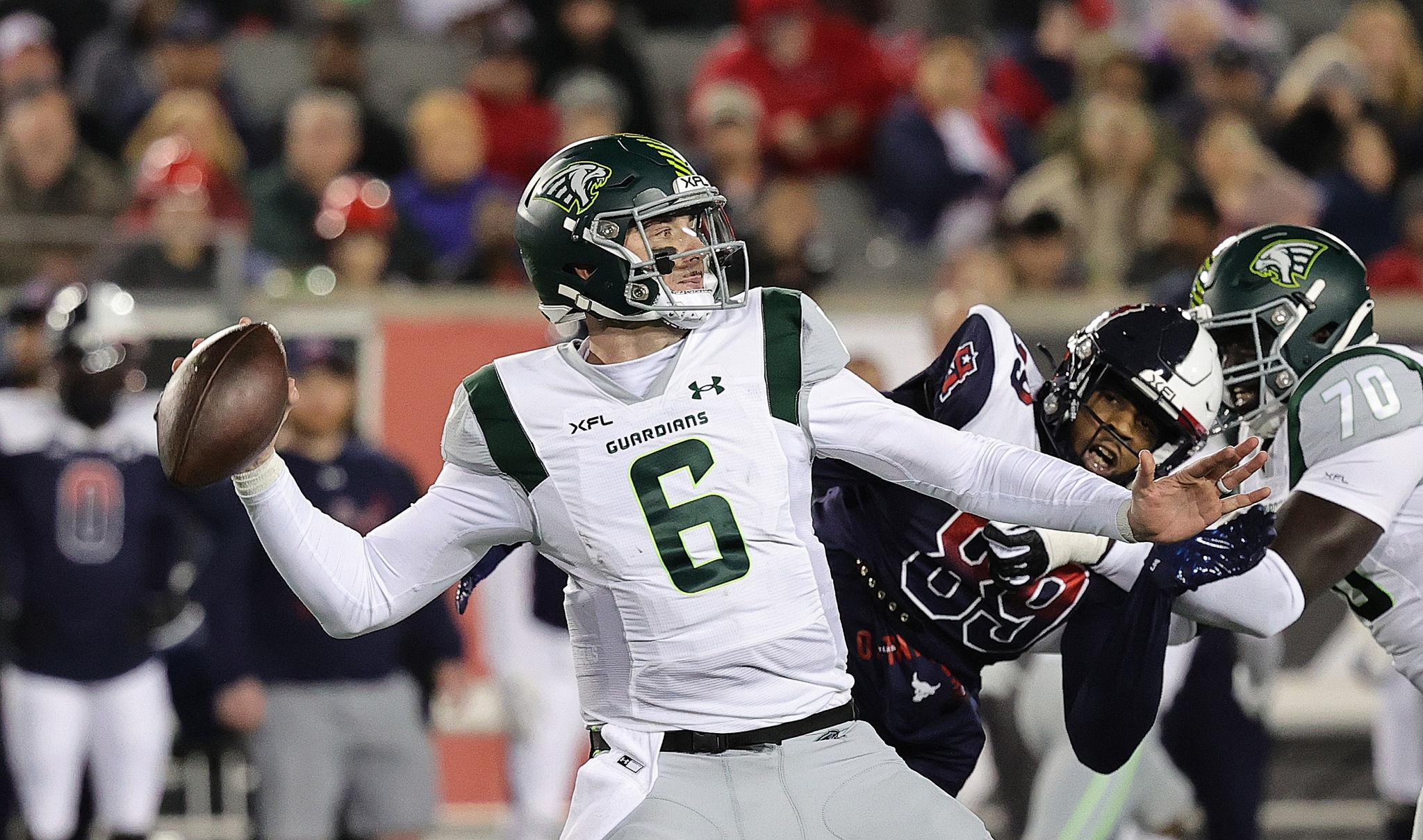
- The XFL (with the Orlando Guardians)
- The USFL (with the Michigan Panthers)
- The Canadian Football League
Each stop represented another attempt to return to the NFL. Yet none provided a sustained breakthrough.
The Arena Football Gamble
In 2026, Lynch took a different route. He joined the Colorado Spartans in the National Arena League, a move that reflected both his passion for the game and the narrowing window of opportunity at the highest level.
The decision was not driven by financial gain—he earned approximately $600 per game—but by a desire to keep playing.
As he explained in an interview:
“If I didn’t love football, I wouldn’t be playing it.”
Initially, Lynch even questioned the move:
“Do I really want to play arena football? … Who cares.”
That mindset shift—prioritizing enjoyment over expectation—marked a significant evolution in his approach to the sport.
A Comeback Cut Short
Just as Lynch began to rebuild momentum, his comeback was abruptly halted.
During his third game with the Spartans, he suffered a torn lateral collateral ligament (LCL), a serious knee injury that ended his 2026 season.
The injury occurred on March 28 in Salina, Kansas, and immediately extinguished hopes of a return to the NFL.
His reaction was candid and unfiltered:
“I was pissed off. And it sucks. I didn’t want it to be like this.”
Despite the frustration, Lynch found some measure of satisfaction in simply being back on the field:
“It felt good to do that again.”
Before the injury, he had thrown three touchdown passes in three games, suggesting that he was regaining confidence and rhythm.
Redefining Success
At 32, Lynch faces a pivotal moment. His NFL career appears firmly in the past, and even his immediate future in football remains uncertain.
Yet his perspective has shifted.
Rather than focusing solely on returning to the NFL, Lynch has begun to define success differently—through personal fulfillment rather than external validation. He acknowledged that if his career were to end in arena football, he would be at peace with that outcome.
This shift is notable. For a player once positioned as a franchise cornerstone, accepting a more modest role requires both humility and resilience.
Context: A Competitive Draft Class
Lynch’s journey also reflects the broader realities of the 2016 NFL Draft quarterback class. That group included successful long-term starters like Jared Goff and Dak Prescott, as well as players whose careers were shaped by injuries, such as Carson Wentz.
In that context, Lynch’s struggles highlight how unpredictable quarterback development can be—even for first-round picks.
What Comes Next?
Lynch has not committed to playing in 2027, leaving his future open-ended. Coaching opportunities have reportedly been available, suggesting a possible transition into a different role within the sport.
Several potential paths remain:
- Continuing his playing career in alternative leagues
- Transitioning into coaching or mentorship
- Stepping away from football altogether
Whatever the outcome, his recent comments indicate that the decision will be guided more by personal satisfaction than by external expectations.
Conclusion: A Career Beyond Labels
Paxton Lynch’s career cannot be reduced to a simple label like “bust” or “missed potential.” While he did not meet the expectations placed on a first-round pick, his persistence across multiple leagues and his willingness to adapt reflect a different kind of success.
His journey underscores a broader truth about professional sports: talent and opportunity do not always align, and resilience often defines a career as much as performance.
In the end, Lynch’s story is less about what he failed to achieve in the NFL and more about his enduring commitment to the game itself—even when the spotlight has long faded.


