The Coca-Cola Company: A Global Beverage Giant Shaping Economies and Markets
Introduction: More Than a Soft Drink Brand
Few companies in modern business history have achieved the scale, cultural influence, and economic footprint of The Coca-Cola Company. What began as a single soft drink in the late 19th century has evolved into a vast global system spanning continents, industries, and supply chains.
- Introduction: More Than a Soft Drink Brand
- A System Built on Partnerships and Scale
- Expansion in Africa: A Strategic Growth Frontier
- Investment and Economic Impact in South Africa
- Local Sourcing and Supply Chain Integration
- Sustainability and Water Stewardship Initiatives
- Product Diversity and Brand Portfolio
- Market Dynamics and Competitive Positioning
- Looking Ahead: Growth, Innovation, and Influence
- Conclusion: A Company That Extends Beyond Beverages
Today, Coca-Cola is not simply a beverage manufacturer—it is a complex ecosystem of production, distribution, partnerships, and investments that influences economies worldwide. Recent developments, particularly across Africa, highlight how the company continues to expand its footprint while adapting to modern market dynamics.
A System Built on Partnerships and Scale
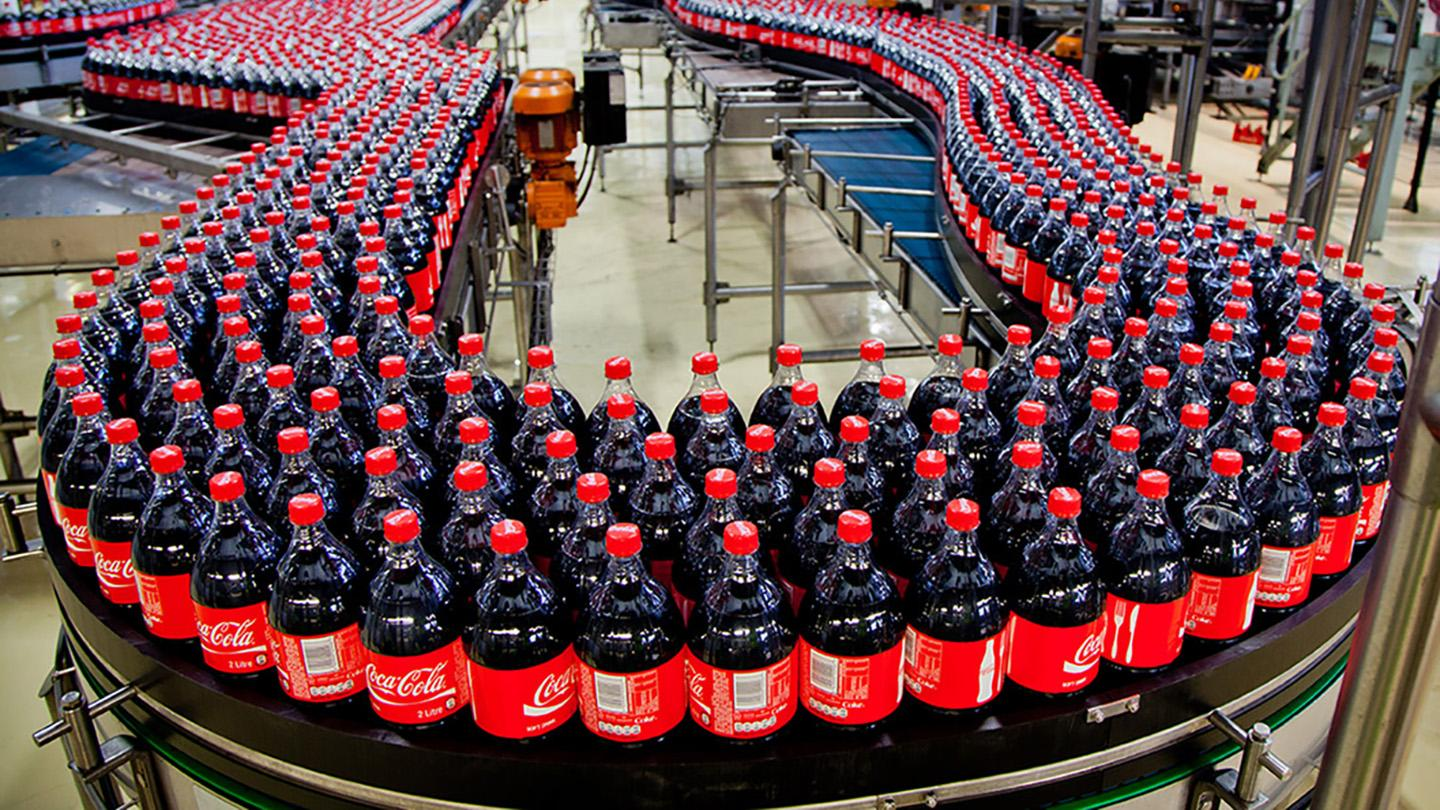
At the core of Coca-Cola’s global success is its unique operational model—commonly referred to as the “Coca-Cola system.” Rather than producing and distributing everything independently, the company works through a network of authorized bottlers and regional partners.


This system includes entities such as:
- Coca-Cola Beverages Africa
- Coca-Cola HBC AG
- Coca-Cola Beverages South Africa
These partners are responsible for manufacturing, packaging, and distributing products locally, while Coca-Cola itself focuses on brand ownership, marketing, and strategic direction.


This decentralized structure enables rapid market adaptation, localized production, and strong supply chain integration across diverse regions.
Expansion in Africa: A Strategic Growth Frontier
Africa has emerged as one of the most important growth regions for Coca-Cola, both in terms of consumption potential and long-term investment.
A recent development underscores this strategy. The Namibian Competition Commission approved a major acquisition involving Coca-Cola’s African operations. The deal allows Coca-Cola HBC AG and its subsidiary, Coca-Cola HBC Holdings B.V., to gain full control of Coca-Cola Beverages Africa.
The commission classified the transaction as a horizontal merger within the non-alcoholic ready-to-drink beverage market. After reviewing the deal, it concluded that:


- The merger is unlikely to reduce competition
- It does not create a dominant market position
- There are no public interest concerns
This approval signals regulatory confidence in Coca-Cola’s expansion strategy and reinforces the company’s long-term commitment to African markets.
Investment and Economic Impact in South Africa
Beyond acquisitions, Coca-Cola is also investing heavily in infrastructure and economic development across Africa.
According to recent industry insights, the Coca-Cola system has committed R17.6 billion in investment in South Africa through 2030. This investment is designed to:
- Expand production capacity
- Strengthen distribution networks
- Accelerate innovation across the beverage value chain
Speaking on the investment, Luis Felipe Avellar, President of Coca-Cola’s Africa operating unit, stated:
“Our R17.6 billion investment reflects our strong belief in South Africa’s potential and our commitment to growing alongside the communities we serve.”
The scale of Coca-Cola’s economic impact in South Africa is substantial:
- R51.2 billion in value-added economic activity generated in 2024
- Over 87,000 jobs supported across the value chain
- A multiplier effect where each direct job supports 10 additional jobs
These figures illustrate how Coca-Cola operates not just as a beverage company, but as a significant economic engine.
Local Sourcing and Supply Chain Integration
A key aspect of Coca-Cola’s strategy is its emphasis on local sourcing and integration into domestic economies.
In South Africa alone, the Coca-Cola system:
- Purchased R25.6 billion in goods and services from local suppliers in 2024
- Supported industries including:
- Agriculture (sugar production)
- Packaging
- Transportation
- Marketing
This approach creates a tightly linked value chain, where beverage production stimulates multiple sectors simultaneously.
Sunil Gupta, CEO of Coca-Cola Beverages Africa, emphasized the broader significance:
“These findings reaffirm the Coca-Cola system’s role as a key driver of shared value and sustainable growth within the South African economy.”
Sustainability and Water Stewardship Initiatives
Coca-Cola’s expansion strategy is increasingly tied to sustainability, particularly in water management—an essential resource for beverage production.
The company is investing nearly $25 million in the Africa Water Stewardship Initiative, which aims to address water-related challenges across 20 African countries.
This initiative reflects a broader shift in corporate strategy, where long-term growth is linked to environmental responsibility and community resilience.
Product Diversity and Brand Portfolio
While Coca-Cola is synonymous with its flagship soft drink, its portfolio has diversified significantly over time.
Through its bottling partners and collaborations, the company produces and distributes:
- Soft drinks
- Bottled water
- Energy drinks
- Juices
- Coffee and tea
It also works with global brands such as:
- Monster Energy
- Brown-Forman
- Edrington
This diversification allows Coca-Cola to compete across multiple beverage categories and adapt to changing consumer preferences.
Market Dynamics and Competitive Positioning
The recent Namibia deal highlights how Coca-Cola navigates competitive markets through strategic consolidation and partnerships.
By strengthening control over bottling operations, the company can:
- Improve operational efficiency
- Align regional strategies more closely
- Enhance supply chain coordination
At the same time, regulatory approval ensures that competition remains intact, maintaining balance within the beverage industry.
Looking Ahead: Growth, Innovation, and Influence
The Coca-Cola Company’s trajectory suggests continued expansion, particularly in emerging markets where population growth and urbanization are driving demand for packaged beverages.
Key trends shaping its future include:
- Increased investment in local production and infrastructure
- Expansion into new beverage categories
- Greater emphasis on sustainability and resource management
- Strengthening of regional partnerships and acquisitions
Africa, in particular, remains central to this strategy—both as a growth market and as a testing ground for scalable economic and social initiatives.
Conclusion: A Company That Extends Beyond Beverages
The Coca-Cola Company’s influence extends far beyond its iconic products. Through its investments, partnerships, and operational model, it plays a significant role in shaping economies, supporting industries, and influencing global consumption patterns.
From regulatory approvals in Namibia to multi-billion-rand investments in South Africa, the company’s recent activities demonstrate a clear strategy: deepen local integration while maintaining global reach.
As markets evolve and consumer expectations shift, Coca-Cola’s ability to adapt—while leveraging its scale—will determine how it sustains its position as one of the world’s most influential companies.