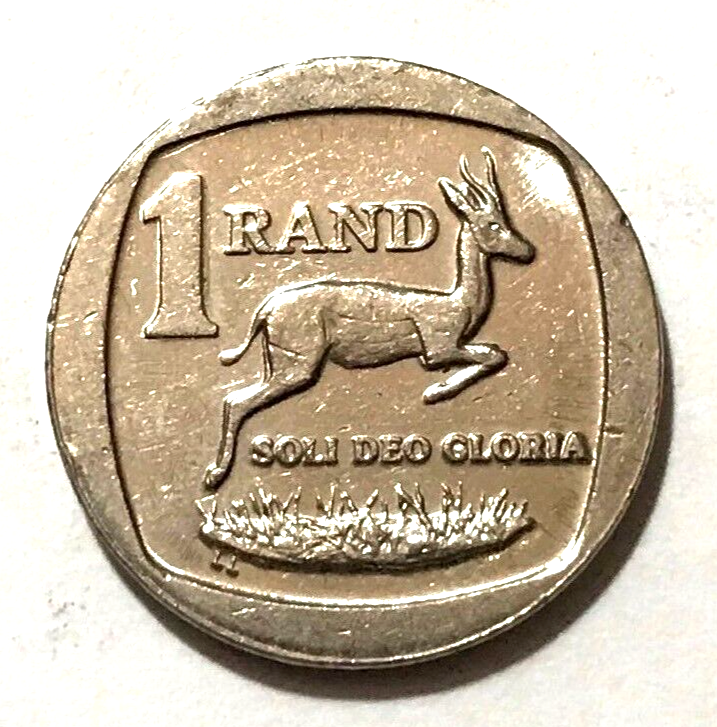
South African Rand Surges as Global Tensions Ease: What It Means for Markets and the Economy
The South African rand (ZAR) has once again demonstrated its sensitivity to global events, staging a sharp recovery in early April 2026 as geopolitical tensions eased. In a market environment defined by uncertainty, the rand’s recent rally provides a clear example of how emerging market currencies are shaped not just by domestic conditions, but by international developments—particularly those affecting energy markets and investor sentiment.
- South African Rand Surges as Global Tensions Ease: What It Means for Markets and the Economy
- Breaking Down the Latest Market Rally
- Why the Rand Is So Volatile
- Technical Signals and Short-Term Outlook
- The Role of Commodities: Gold and Platinum Support
- Broader Emerging Market Impact
- Risks That Still Loom
- What Comes Next for the South African Rand?
- Conclusion: A Currency Defined by Global Forces
On April 8, 2026, the rand surged more than 2% against the U.S. dollar, trading around R16.41 per dollar, its strongest level in nearly a month. This rebound followed a two-week ceasefire agreement between the United States and Iran, which significantly reduced fears of escalating conflict in the Middle East.
Breaking Down the Latest Market Rally
Ceasefire Triggers Global Risk Rebound
The catalyst for the rand’s recovery was a geopolitical shift. U.S. President Donald Trump agreed to a temporary ceasefire with Iran just ahead of a deadline tied to the reopening of the Strait of Hormuz—a critical shipping route responsible for roughly 20% of global oil flows.


This decision had immediate ripple effects:
- Oil prices fell below $100 per barrel
- Inflation fears eased globally
- Investor appetite for riskier assets improved
For South Africa—a net energy importer—lower oil prices are particularly beneficial. They reduce pressure on inflation and improve the country’s trade balance, creating a favorable environment for the rand.


Market Reaction: Currency, Bonds, and Stocks
The rally extended beyond the currency market:
- The rand strengthened by approximately 2.4%
- South Africa’s 2035 government bond yield dropped 50 basis points to 8.6%
- The Johannesburg Stock Exchange Top-40 index rose 5.2%
This synchronized movement across asset classes reflects a broader shift in investor sentiment—from caution to cautious optimism.
Why the Rand Is So Volatile
A “Global Mood Ring” Currency
Market analysts often describe the rand as a proxy for emerging market sentiment. This is due to several structural characteristics:
- Deep and liquid financial markets relative to other emerging economies
- High exposure to global capital flows
- Dependence on commodity exports such as gold and platinum
As a result, the rand tends to react sharply to external shocks. During the Iran conflict, it was among the worst-performing emerging market currencies, declining nearly 6% in March.


The Oil Price Connection
Energy prices play a central role in the rand’s performance:
- Rising oil prices → Higher inflation → Weaker rand
- Falling oil prices → Lower inflation → Stronger rand
Before the ceasefire, oil prices had surged above $110 per barrel, putting pressure on South Africa’s economy and weakening the currency.
The recent drop in oil prices has reversed part of that pressure, supporting the rand’s recovery.
Technical Signals and Short-Term Outlook
From a trading perspective, the rand’s recent movement reflects both momentum and caution:
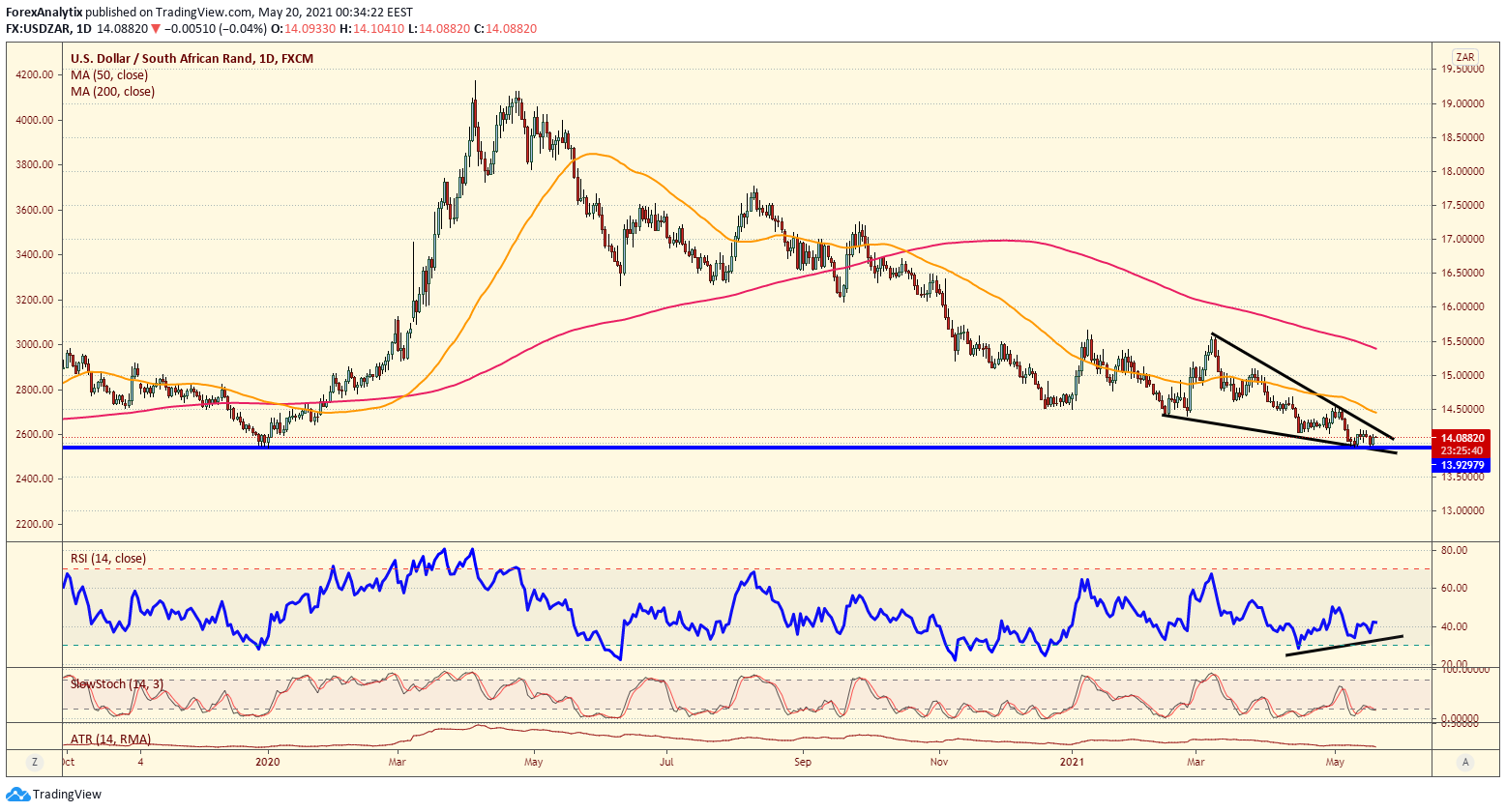
- USD/ZAR fell by around 2.5%, indicating strong rand appreciation
- The pair is trading below key moving averages, suggesting downward pressure on the dollar
- Analysts expect a short-term range of R16.20 to R16.60
However, technical indicators also point to an oversold market, meaning the current trend may not be entirely stable.
The Role of Commodities: Gold and Platinum Support
South Africa’s position as a major exporter of precious metals adds another layer of support to the rand.
Rising prices for:
- Gold
- Platinum
can help offset economic pressures by improving export revenues and strengthening the currency. Analysts note that these commodities could provide additional support to local assets if global demand remains strong.
Broader Emerging Market Impact
The rand’s rally is part of a wider global trend:
- Emerging market currencies and equities gained
- The MSCI Emerging Markets index rose significantly
- Other oil-importing economies also benefited
This reflects a broader shift in risk appetite, as investors move back into higher-yield assets following a period of heightened geopolitical uncertainty.
Risks That Still Loom
Despite the current recovery, the outlook remains fragile.
Key Risks Include:
- Breakdown of ceasefire negotiations
- Renewed disruption in the Strait of Hormuz
- Rising oil prices returning above critical levels
- U.S. inflation data and Federal Reserve policy decisions
As one analysis noted, “conditions remain tentative and fragile,” highlighting the uncertainty that still surrounds global markets.
What Comes Next for the South African Rand?
Short-Term Expectations
If geopolitical stability holds, the rand could strengthen further toward the R16.00 per dollar level, potentially reversing most of its earlier losses.
However, analysts emphasize that this recovery depends heavily on:
- Continued easing of global tensions
- Stable or declining oil prices
- Favorable U.S. monetary policy signals
Medium-Term Scenarios
Economists outline multiple possible paths:
- Base case: Rand stabilizes around R16.90 before strengthening toward R16.20 later in the year
- Downside scenario: Weak domestic conditions push the rand toward R18.60
- Upside scenario: Sustained global stability and strong commodity prices support further gains
Conclusion: A Currency Defined by Global Forces
The recent surge in the South African rand underscores a fundamental reality: it is one of the most globally responsive currencies in the emerging market space.
Its performance is shaped by a complex interplay of:
- Geopolitical developments
- Energy markets
- Investor sentiment
- Commodity prices
While the latest rally offers a measure of relief after weeks of volatility, the rand’s trajectory remains closely tied to events far beyond South Africa’s borders.
In the current environment, stability is conditional—and the rand will likely continue to reflect that uncertainty with rapid and sometimes dramatic shifts.