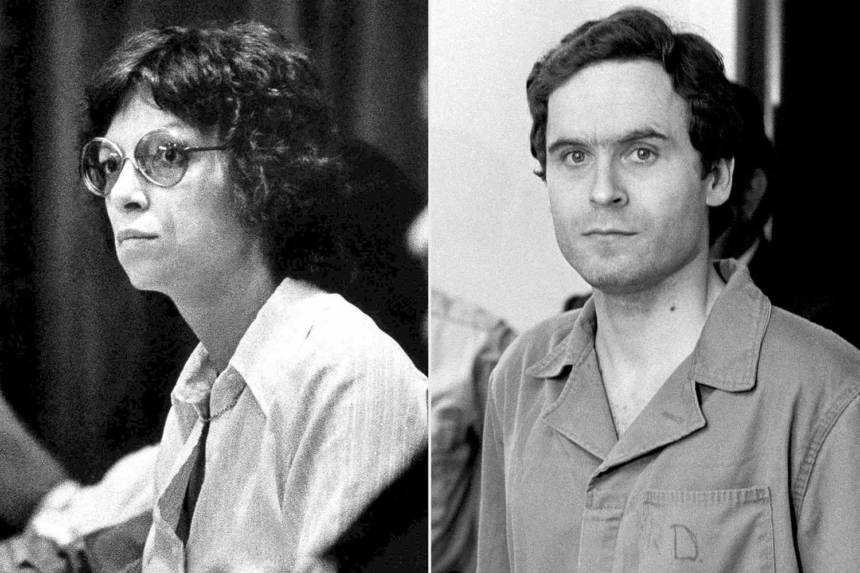
Ted Bundy Wife: Inside the Disturbing Marriage of Carole Ann Boone
A Love Story That Defied Reality
Few relationships in true crime history are as unsettling—or as psychologically complex—as that between Ted Bundy and his wife, Carole Ann Boone. While Bundy’s name became synonymous with manipulation, violence, and calculated brutality, Boone’s devotion to him unfolded in parallel, raising difficult questions about loyalty, denial, and the human capacity to rationalize evil.
- A Love Story That Defied Reality
- Before the Marriage: How Boone Met Bundy
- Separation and Reconnection Behind Bars
- The Courtroom Proposal: A Marriage Unlike Any Other
- Life as Ted Bundy’s Wife
- A Child Born Behind Prison Walls
- The Turning Point: Confessions and Collapse
- Who Was Carole Ann Boone?
- Understanding the Psychology Behind the Relationship
- Cultural Impact: Why This Story Still Captivates
- Conclusion: A Relationship Defined by Contradiction
This is not a conventional love story. It is a narrative shaped inside courtrooms, prisons, and the shadow of one of America’s most notorious criminal cases—where affection persisted despite overwhelming evidence of horror.
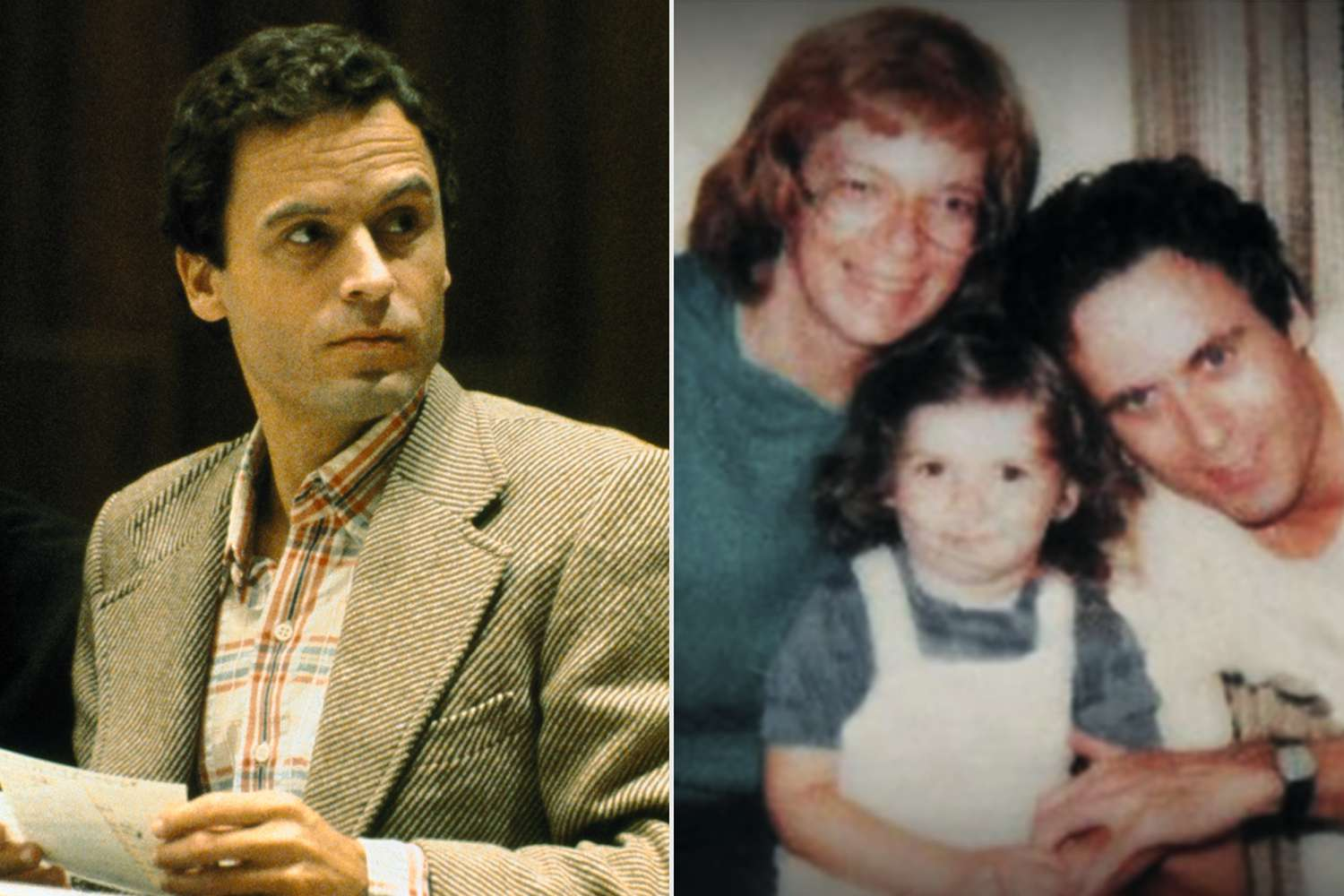
Before the Marriage: How Boone Met Bundy
The origins of their relationship trace back to 1974 in Washington State. Both Bundy and Boone worked at the Department of Emergency Services in Olympia. At the time, Bundy was publicly seen as intelligent, composed, and even civic-minded—ironically assisting in search efforts for missing women who would later be linked to his crimes .


Boone, a twice-divorced mother, formed an immediate connection with him. She later described him as reserved yet intriguing, someone who seemed to possess “a lot more going on under the surface.”
Their relationship developed quietly, even as Bundy maintained other romantic ties. This duality—his ability to compartmentalize relationships while committing violent acts—became a defining feature of his personal life.


Separation and Reconnection Behind Bars
As Bundy’s crimes escalated across multiple states and he was eventually arrested, Boone’s relationship with him did not end—it transformed.
By 1977, while Bundy was imprisoned and facing mounting charges, the two reconnected through letters and prison visits. Boone traveled to see him, maintaining a belief in his innocence even as evidence accumulated.
Their correspondence deepened emotional attachment. Boone became one of Bundy’s most consistent supporters, reportedly assisting him in practical ways, including providing resources that may have facilitated his escape attempts .
This phase marks a shift from conventional romance to something more psychologically complex—where devotion persisted despite public condemnation and legal reality.


The Courtroom Proposal: A Marriage Unlike Any Other
Perhaps the most extraordinary moment in their relationship came during Bundy’s trial in Florida.
In February 1980, while acting as his own attorney, Bundy called Boone to the witness stand. What followed was not just testimony—it was a legally binding marriage declaration conducted in open court.
Under Florida law at the time, a properly phrased declaration of marriage in the presence of a judge could constitute a legal union. Bundy leveraged this loophole.
He asked Boone, “Do you want to marry me?”
She answered yes.
After correcting his phrasing, Bundy completed the declaration:
“Then I do hereby marry you.”
With that, the two were legally married—inside a courtroom, during a murder trial.
Life as Ted Bundy’s Wife
After their marriage, Boone’s commitment did not waver. She moved to Florida with her son to remain close to Bundy during his trials and imprisonment.
Despite Bundy being convicted and sentenced to death, Boone continued to visit him regularly. She maintained her belief in his innocence, publicly describing him as kind and incapable of violence—statements that sharply contrasted with the evidence presented in court .
This contradiction highlights one of the central tensions of their relationship: Boone’s perception of Bundy versus the reality documented by investigators and courts.
A Child Born Behind Prison Walls
In 1982, Boone gave birth to their daughter, Rose Bundy.
The circumstances surrounding her conception remain unusual. Conjugal visits were not officially permitted, yet the couple reportedly found ways to maintain intimacy during prison visits. Bundy himself claimed that guards eventually became indifferent to their interactions .
The birth of Rose added another layer to the story—a child born into one of the most infamous criminal narratives in modern history.
The Turning Point: Confessions and Collapse
For years, Boone remained steadfast in her support. However, the foundation of her belief began to fracture as Bundy approached execution.
In the late 1980s, Bundy started confessing to multiple murders—admitting involvement in more than 30 killings. These confessions directly contradicted the innocence Boone had defended for years.
The psychological impact was severe. According to accounts, Boone felt deeply betrayed and devastated by the revelations .
By 1986, the marriage had effectively ended. Boone divorced Bundy and withdrew from his life, taking their daughter with her.
Who Was Carole Ann Boone?
Boone remains a complex figure in true crime history. She was not a passive observer but an active participant in Bundy’s personal life during his most public and consequential years.
Key facts:
- Met Bundy in 1974 at a government agency
- Married him in 1980 during his trial
- Had one child with him in 1982
- Divorced him in 1986 after his confessions
- Died in 2018
Her story is often interpreted through multiple lenses—loyalty, denial, psychological attachment, or even manipulation.
Understanding the Psychology Behind the Relationship
The relationship between Bundy and Boone continues to be analyzed in criminology and psychology.
Several factors are often considered:
1. Charisma and Manipulation
Bundy was widely described as articulate, intelligent, and persuasive. These traits enabled him to build trust—even among those closest to him.
2. Emotional Investment
Boone’s long-term involvement, including shared work history and personal connection, may have reinforced her belief in his innocence.
3. Cognitive Dissonance
Maintaining affection for someone accused of extreme violence creates internal conflict. One way to resolve this is by rejecting the accusations rather than the person.
4. Isolation and Identity
As the relationship deepened, Boone’s identity became intertwined with Bundy’s defense, making it more difficult to detach.
These dynamics are not unique to this case but are amplified by its scale and notoriety.
Cultural Impact: Why This Story Still Captivates
The story of Ted Bundy’s wife continues to attract public attention decades later. It has been explored in documentaries, books, and dramatizations, including productions like Conversations with a Killer: The Ted Bundy Tapes.
The fascination lies not only in Bundy’s crimes but in the paradox of his relationships—how someone capable of extreme violence could maintain intimate emotional bonds.
It challenges assumptions about evil, love, and perception.
Conclusion: A Relationship Defined by Contradiction
The marriage between Ted Bundy and Carole Ann Boone stands as one of the most disturbing intersections of crime and personal loyalty.
It was a union formed under extraordinary circumstances—built on belief, tested by evidence, and ultimately undone by truth.
Boone’s story does not offer simple answers. Instead, it highlights the complexities of human attachment, particularly when it collides with undeniable reality.
In the end, the relationship serves as a reminder: even in the most extreme cases, personal perception can diverge sharply from public truth.