



Marvel Rivals Season 7: The Hunt Is On — A City Fractured by Time
A New Chapter Begins on March 20
Season 7 of Marvel Rivals, titled “The Hunt is On,” marks a decisive escalation in the game’s evolving narrative and gameplay structure. Launching on March 20, 2026, the update introduces new playable characters, advances the central storyline, and reshapes the battlefield with a high-stakes temporal conflict centered in New York.
- A New Chapter Begins on March 20
- The Core Premise: A Temporal Siege on New York
- New Playable Characters: Black Cat and White Fox
- Black Cat: Precision, Opportunism, and Chaos
- White Fox: Mythology Meets Combat Adaptability
- Narrative Continuity: From Multiverse Conflict to Timeline Collapse
- Gameplay Implications: More Than Just New Heroes
- Strategic Direction: A More Narrative-Driven Live Service Model
- What Comes Next: Unresolved Tensions
- Conclusion: A Turning Point for Marvel Rivals
Positioned as more than a routine seasonal update, Season 7 signals a shift toward a more interconnected narrative design—where gameplay, story progression, and character dynamics converge around a single thematic axis: survival in a fractured timeline.
The Core Premise: A Temporal Siege on New York
At the heart of Season 7 lies a destabilized reality.
According to the official season description:


“Forces from 2099’s Nueva York have begun pouring into modern-day New York, turning the city into ground zero for their expansion. As a temporal plague spreads from the Alchemax Tower and martial law tightens across the city, Mayor Fisk is ready to do whatever it takes to restore order. But in darkness, those who navigate the shadows truly shine…
Season 7 begins on March 20 UTC! When time shatters, survival becomes the only rule.”
This narrative framework introduces a dual-city conflict, where futuristic and present-day versions of New York collide. The concept of a “temporal plague” adds a systemic threat, suggesting environmental or gameplay modifiers that may influence match conditions or map design.
The inclusion of Alchemax Tower—a key corporate entity in Marvel’s 2099 universe—anchors the storyline in established lore, while also expanding the game’s multiverse scope.


New Playable Characters: Black Cat and White Fox
Black Cat: Precision, Opportunism, and Chaos
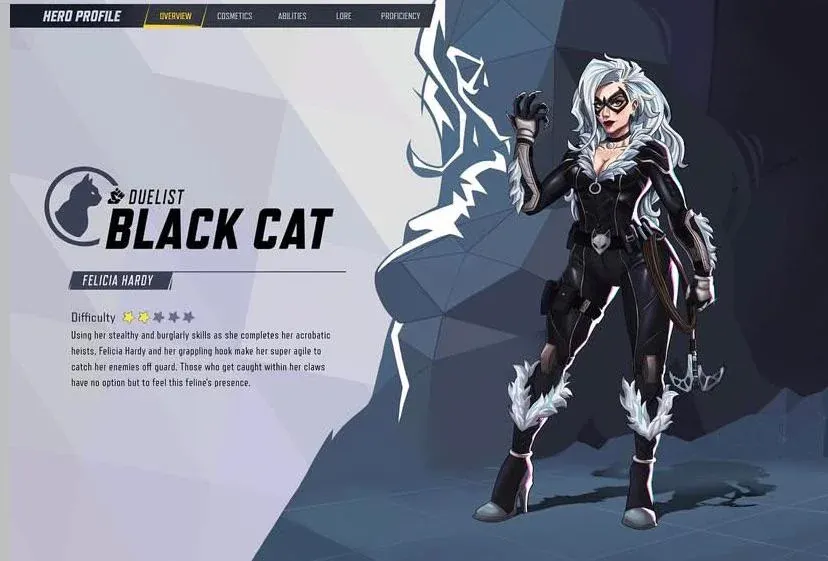

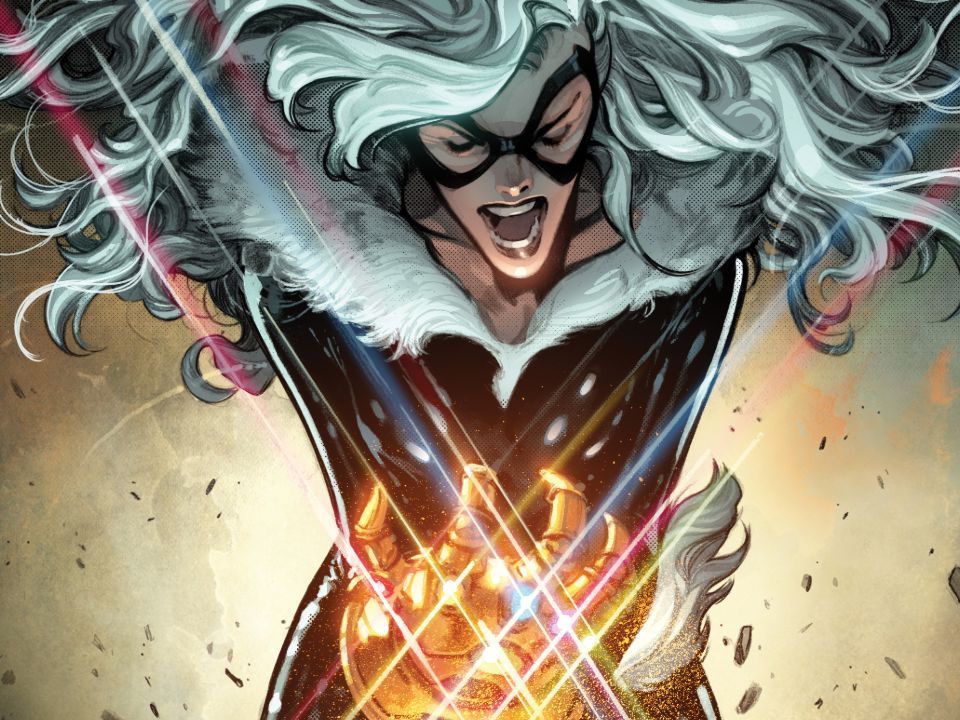
Season 7 introduces Black Cat (Felicia Hardy), a character defined by agility, stealth mechanics, and opportunistic playstyles. Traditionally portrayed as a master thief, her presence aligns with the season’s darker, more chaotic environment.
Her narrative positioning suggests she is not aligned strictly with order or chaos—but rather operates within it, exploiting instability for personal gain.
From a gameplay perspective, this likely translates into:
-
High mobility
-
Disruption-focused abilities
-
Tactical infiltration roles
White Fox: Mythology Meets Combat Adaptability


Joining alongside Black Cat is White Fox, a South Korean superhero rooted in mythology. Known for her ability to transform into a nine-tailed fox, she brings a contrasting playstyle—likely centered around adaptability and transformation mechanics.


Her inclusion reflects Marvel Rivals’ expanding global character representation and introduces:
-
Shapeshifting or form-switching potential
-
Hybrid combat roles
-
Mythology-driven ability design
Narrative Continuity: From Multiverse Conflict to Timeline Collapse
Season 7 builds directly on previous updates.
-
Season 6 introduced Deadpool and Elsa Bloodstone
-
Earlier seasons established interdimensional instability
-
Season 7 escalates this into full-scale temporal collision
The presence of Mayor Wilson Fisk (commonly known as Kingpin) reinforces a grounded political dimension within the chaos. His enforcement of martial law introduces a power struggle—not just between heroes and invaders, but between control and collapse.
This progression indicates a deliberate narrative arc:
-
Phase 1: Multiverse disruptions
-
Phase 2: Character-driven conflicts
-
Phase 3 (Season 7): Systemic breakdown of time itself
Gameplay Implications: More Than Just New Heroes
While official gameplay systems are not fully detailed, the thematic direction suggests several likely changes:
1. Dynamic Map Conditions
The concept of a “temporal plague” implies evolving environments—potentially affecting:
-
Visibility
-
Movement zones
-
Objective control
2. Cross-Timeline Encounters
The merging of present and future New Yorks may introduce:
-
Hybrid map designs
-
Time-shifted structures or hazards
-
Alternate versions of familiar locations
3. Character Synergy and Conflict
The apparent clash between Black Cat and White Fox mirrors earlier character introductions (such as Angela vs Daredevil in Season 4), suggesting:
-
Narrative-driven rivalries
-
Possible team-up mechanics evolving mid-season
Strategic Direction: A More Narrative-Driven Live Service Model
Season 7 reinforces a broader industry trend: live-service games increasingly integrating serialized storytelling into seasonal updates.
By aligning:
-
Character releases
-
Map evolution
-
Narrative stakes
Marvel Rivals is positioning itself closer to hybrid models seen in both competitive shooters and narrative-driven live games.
The “Dev Vision Vol. 15” preview further indicates a structured roadmap approach, where each season contributes to a larger, cumulative storyline rather than isolated content drops.
What Comes Next: Unresolved Tensions
Several key questions remain open heading into launch:
-
Will Black Cat and White Fox remain adversaries, or form a late-season alliance?
-
How will the temporal plague mechanically impact gameplay?
-
Can Mayor Fisk’s authoritarian response stabilize the city—or accelerate its collapse?
The answers will likely unfold across the season’s lifecycle, potentially through in-game events, updates, and narrative expansions.
Conclusion: A Turning Point for Marvel Rivals
Season 7 is not simply an expansion—it is a structural escalation.
By introducing:
-
A dual-timeline conflict
-
Two contrasting new heroes
-
A city under authoritarian control
“The Hunt is On” positions Marvel Rivals at a critical inflection point. The game is transitioning from episodic updates toward a more cohesive, evolving universe—one where each season reshapes both the narrative and the player experience.
If executed effectively, Season 7 could define the trajectory of the game’s long-term identity.


