SASSA Status Check Appeal and June 2026 Payment Cycle: What Beneficiaries Need to Know
Millions of South Africans rely on monthly grants from the South African Social Security Agency (SASSA) to cover essential living expenses. As the June 2026 payment cycle approaches, beneficiaries are being urged to verify their details, monitor their application status, and act quickly if their grant applications are declined or referred for further checks.
- Why the SASSA Status Check Matters in 2026
- Understanding the Different SASSA Status Results
- What a “Referred” Status Actually Means
- How the SASSA Appeal Process Works
- June 2026 SASSA Payment Cycle Confirmed
- Grant Amounts for June 2026
- Why Banking Details Are Causing Payment Delays
- SASSA Gold Cards Being Phased Out
- Official Channels for SASSA Queries
- The Bigger Picture Behind SASSA’s Verification Push
- Final Thoughts
The latest updates from SASSA come at a critical time as the agency continues processing Social Relief of Distress (SRD) grants alongside permanent grants such as the Older Persons Grant, Disability Grant, and Child Support Grant. Officials have also intensified warnings about outdated banking details and inactive cellphone numbers, which can delay payments during busy processing periods.
For many applicants, understanding the meaning behind a SASSA status result — especially “referred” or “declined” — has become just as important as knowing when payments will arrive.


Why the SASSA Status Check Matters in 2026
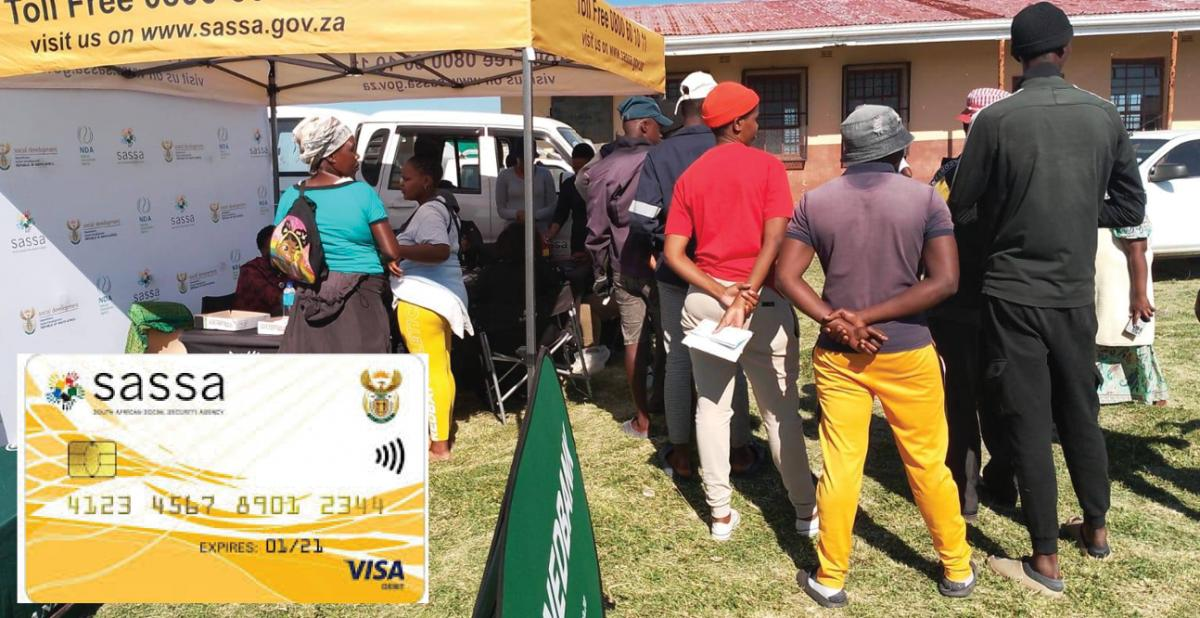
A SASSA status check allows applicants to confirm whether their grant application has been approved, declined, referred for verification, or is still pending. According to recent guidance issued by SASSA, the process differs depending on whether someone applied for the SRD grant or a permanent social grant.
SRD applicants must use the official online portal at srd.sassa.gov.za, where approvals are reassessed monthly against income thresholds and verification systems. Permanent grant beneficiaries, however, are generally required to visit a local SASSA office for detailed status enquiries.


The agency stresses that applicants should always have the following information ready:
- South African ID number
- Registered cellphone number
- Any application or reference number issued during submission
Keeping these details accurate is essential because SASSA cross-checks applicant information against several government and financial databases.
Understanding the Different SASSA Status Results
One of the biggest sources of confusion for applicants is interpreting the status returned by the SRD portal.
SASSA currently uses several status categories:


Pending
This means the application has been received but is still being processed. Verification checks may still be underway.
Approved
The application has been approved for that month, and a payment date will follow once processing is complete.
Declined
The application failed one or more eligibility checks for the month under review.
Referred
A “referred” status indicates additional verification is required. Importantly, this does not mean the application has failed.
Reapplication Required
Applicants must submit updated or fresh information before the application can proceed.
SASSA has emphasized that a declined result is not necessarily final because applicants may submit a reconsideration or appeal request through the SRD system.
What a “Referred” Status Actually Means
Many applicants panic when they see a “referred” result on the SRD portal, but SASSA says this is often part of normal verification procedures.
A referred status usually happens when the agency needs to verify information through third-party systems, including:
- Department of Home Affairs databases
- UIF records
- SARS income records
- Banking verification systems
In many cases, beneficiaries do not need to take immediate action because SASSA processes referrals in batches.
However, if the status remains unchanged beyond the normal processing window, applicants are advised to visit a SASSA office with supporting documents proving:
- Income status
- Banking details
- Identity verification
- Marital status
This step can help resolve mismatched records that may otherwise delay payment approval.
How the SASSA Appeal Process Works
Applicants whose SRD grants are declined can request reconsideration through the official appeal process.
The appeal system exists because monthly SRD assessments are dynamic. Someone who failed eligibility checks one month may still qualify later if their financial circumstances change.
Common reasons for declined applications include:
- Alternative income detected
- UIF benefits recorded
- Banking inconsistencies
- Identity verification problems
- Means test failures
SASSA publishes the reconsideration window on the SRD portal, and applicants are encouraged to appeal promptly rather than waiting for future cycles.
Beneficiaries should also ensure that the cellphone number linked to their application remains active because verification messages and OTP confirmations are frequently required during appeals.
June 2026 SASSA Payment Cycle Confirmed
The June 2026 grant payment schedule follows SASSA’s staggered distribution system, which is designed to reduce congestion at ATMs, retailers, and payment points nationwide.
According to the latest confirmed and projected schedules, the June 2026 payment cycle is expected to proceed as follows:
| Grant Type | Payment Date |
|---|---|
| Older Persons Grant | Tuesday, 2 June 2026 |
| Disability Grant | Wednesday, 3 June 2026 |
| Children’s Grants | Thursday, 4 June 2026 |
The SRD R370 grant does not follow fixed dates. Instead, payments are typically processed toward the end of the month after verification checks are completed.
SASSA has repeatedly reminded beneficiaries that funds remain safely in accounts after payment dates, meaning there is no need to rush to collection points on the first day.
Grant Amounts for June 2026
The 2026 grant values remain a crucial source of financial support for vulnerable households across South Africa.
The latest published amounts include:
- Older Persons Grant: R2,400
- Disability Grant: R2,400
- Care Dependency Grant: R2,400
- War Veterans Grant: R2,420
- Foster Child Grant: R1,290
- Child Support Grant: R580
- Grant-in-Aid: R580
These figures were confirmed as part of the broader 2026/2027 payment framework.
Why Banking Details Are Causing Payment Delays
Ahead of recent payment cycles, SASSA urged beneficiaries to verify their banking and personal information to prevent disruptions.
Officials warned that many delayed payments are linked to:
- Closed bank accounts
- Incorrect account numbers
- SIM swaps or changed cellphone numbers
- Outdated residential details
- Mismatched personal records
The agency specifically advised SRD beneficiaries to ensure that cellphone numbers used during applications are registered in their own names.
Updated information can significantly reduce verification delays during payment processing.
SASSA Gold Cards Being Phased Out
Another major development affecting beneficiaries in 2026 is the ongoing replacement of SASSA Gold Cards.
Postbank confirmed that the cards will be phased out by 31 August 2026, with beneficiaries required to migrate to the new Postbank Black Card system.
According to Postbank Chief Commercial Officer Thamsanqa Cele:
“We are intensifying the final stages of the Sassa Gold Cards replacement process. This is a direct call to action for customers who have not yet migrated, please act as soon as possible and treat this invitation with the seriousness it deserves.”
The migration forms part of efforts to modernize and secure South Africa’s grant payment infrastructure.
Replacement cards can be collected at participating retailers including:
- Shoprite
- Checkers
- Boxer
- Pick n Pay
- Spar
- Usave
Beneficiaries must present a valid South African ID or temporary ID when replacing cards.
Official Channels for SASSA Queries
SASSA continues encouraging beneficiaries to use official communication channels only.
Available options include:
- Toll-free helpline: 0800 60 10 11
- SRD portal: srd.sassa.gov.za
- Official website: sassa.gov.za
- Local SASSA offices nationwide
The agency also warned beneficiaries to confirm any WhatsApp numbers, USSD codes, or contact details directly through official platforms before sharing personal information.
The Bigger Picture Behind SASSA’s Verification Push
The stricter verification processes seen in 2026 reflect growing pressure on South Africa’s social support system.
SASSA manages millions of monthly grant payments and must continuously balance:
- Fraud prevention
- Identity verification
- Budget controls
- Eligibility enforcement
- Payment security
The agency’s increasingly data-driven approach now relies heavily on cross-checking applicants against multiple government databases.
While this improves fraud detection, it has also increased the number of referred or delayed applications, making status checks and appeals more important than ever for beneficiaries.
Final Thoughts
As the June 2026 payment cycle approaches, SASSA beneficiaries are being encouraged to stay proactive. Regular status checks, updated banking details, and timely appeals can make the difference between receiving a grant smoothly or facing frustrating delays.
For SRD applicants especially, monthly reassessments mean that eligibility can change from one payment cycle to the next. Understanding the status system — particularly “referred” and “declined” outcomes — is now essential for navigating the process successfully.
With payment dates confirmed, appeals ongoing, and the SASSA Gold Card migration entering its final stages, 2026 is shaping up to be another important year for South Africa’s social grant system.