


Dennis Locorriere, the Voice of Dr. Hook, Dies at 76
The unmistakable voice behind some of the most beloved soft rock and country-rock hits of the 1970s has fallen silent. Dennis Locorriere, lead singer and longtime frontman of Dr. Hook, has died at the age of 76 after a prolonged battle with kidney disease, closing the final chapter on one of classic rock’s most recognizable musical legacies.
Locorriere died peacefully on May 16, 2026, surrounded by loved ones, according to an official statement released by his management.
“It is with great sadness that we announce the passing of Dennis Locorriere, who, after a long and courageous battle with kidney disease, passed away peacefully surrounded by his loved ones on May 16, 2026.”
The statement continued:
“Dennis faced his illness with remarkable strength, dignity, and resilience throughout, and remained deeply cherished by all who knew him. He will be remembered for his warmth, love, and the lasting impact he had on those around him.”
For millions of fans across generations, Locorriere was more than just a singer. He was the emotional core of Dr. Hook — the voice behind timeless songs like “Sharing the Night Together,” “When You’re in Love With a Beautiful Woman,” “Sexy Eyes,” “Sylvia’s Mother,” and “Only Sixteen.”
His death marks the end of an era for a band whose music became deeply woven into the soundtrack of 1970s popular culture.
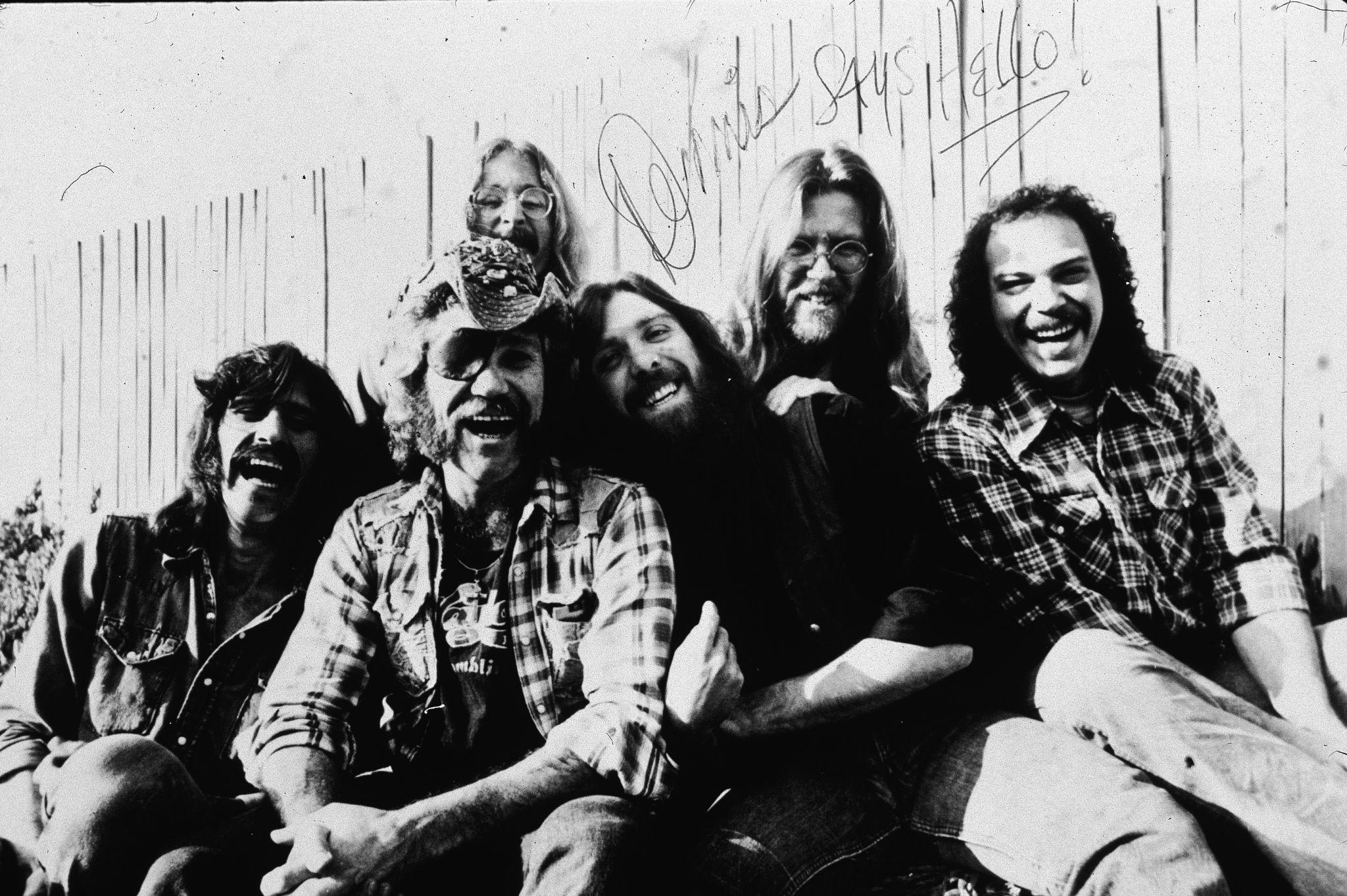
From New Jersey Bars to International Stardom
Born Dennis Michael Locorriere on June 13, 1949, in Union City, New Jersey, the future rock vocalist began his musical journey far from the spotlight of international fame.
He joined the group that would become Dr. Hook in the late 1960s, initially serving as the band’s bass player. The original lineup included Ray Sawyer, Billy Francis, and George Cummings Jr., musicians who would eventually help define the group’s signature blend of rock, country, humor, and pop balladry.
Originally named Dr. Hook & the Medicine Show, the band gained attention after signing with Columbia Records and collaborating with famed writer and songwriter Shel Silverstein. Silverstein played a major role in shaping the group’s early sound, writing nearly all the songs on the band’s first two albums, Doctor Hook (1972) and Sloppy Seconds (1973).
The partnership proved transformative.
Songs like “Sylvia’s Mother” and “The Cover of the Rolling Stone” quickly turned Dr. Hook into a national phenomenon.
“The Cover of the Rolling Stone,” sung primarily by Ray Sawyer, became one of the decade’s defining novelty-rock tracks, while Locorriere’s soulful and emotional vocal performances gave the band broader commercial appeal beyond comedy-infused songs.
The Voice Behind Dr. Hook’s Biggest Hits
Although Dr. Hook was known for its colorful personalities and humorous image, Locorriere’s vocals helped evolve the band into a mainstream hit-making machine throughout the late 1970s and early 1980s.
His smooth yet emotionally textured singing style powered a string of crossover successes, including:
- “Only Sixteen”
- “A Little Bit More”
- “Sharing the Night Together”
- “When You’re in Love With a Beautiful Woman”
- “Sexy Eyes”
- “Baby Makes Her Blue Jeans Talk”
The group’s sound blended soft rock, pop, country, and adult contemporary influences, helping Dr. Hook achieve massive international popularity.
At the height of their success, the band earned more than 60 gold and platinum singles and reached No. 1 chart positions in dozens of countries.
Locorriere’s ability to shift effortlessly between heartfelt ballads and playful storytelling songs became one of the defining characteristics of Dr. Hook’s music.
Even decades later, songs like “Sharing the Night Together” and “When You’re in Love With a Beautiful Woman” continued receiving heavy radio rotation on classic hits stations around the world.
A Career That Spanned Nearly Six Decades
While many bands of the 1970s faded after their commercial peak, Locorriere continued performing long after Dr. Hook officially disbanded in 1985.
Importantly, he retained the rights to the Dr. Hook name following the group’s farewell tour, allowing him to continue touring internationally under the iconic brand for decades afterward.
Over the course of his long career, Locorriere recorded more than 18 albums and maintained a devoted global fanbase. He toured extensively across the United Kingdom, Europe, Australia, and North America, performing both classic Dr. Hook material and his solo work.
He eventually settled in the United Kingdom, where he reportedly lived for the last 24 years of his life.
Even into his later years, Locorriere remained active on stage. Reports from Australia noted that he continued performing at both major theaters and smaller regional venues well into his 60s and beyond.
More Than a Performer: A Songwriter Respected Across Genres
Though best remembered as a vocalist, Locorriere also built a respected reputation as a songwriter.
Artists connected to his songwriting work included:
- Olivia Newton-John
- Willie Nelson
- Crystal Gayle
- Bob Dylan
- Helen Reddy
- BJ Thomas
- Jerry Lee Lewis
His artistic range extended beyond recording and touring. In 1989, he appeared in The Devil and Billy Markham at Lincoln Center in New York City, a production written by Shel Silverstein and directed by Gregory Mosher.
In 2005, he narrated Runny Babbit, a children’s book by Silverstein, highlighting the enduring creative friendship between the two men.
The Final Surviving Era of Dr. Hook
Locorriere’s passing also symbolizes the gradual closing of Dr. Hook’s original chapter.
Several of the band’s key members had already died in recent years:
- Ray Sawyer died in 2018 at age 81
- Billy Francis died in 2010 at age 68
- George Cummings Jr. died in 2024 at age 86
Sawyer, recognizable for the eyepatch he wore after losing an eye in a 1967 car accident, became one of the band’s most visually iconic figures. Yet Locorriere’s voice remained the sonic identity most fans associated with Dr. Hook’s biggest commercial successes.
Together, the band’s members created a catalog that blended humor, vulnerability, romance, and working-class storytelling in ways that distinguished them from many of their contemporaries.
Why Dr. Hook Still Resonates Today
Dr. Hook’s music occupies a unique place in rock history.
The group never fit neatly into one category. They mixed soft rock with country influences, novelty songs with emotional ballads, and commercial polish with a bar-band looseness that made them feel approachable and authentic.
That versatility helped their songs survive long after the original era of AM radio faded.
In recent years, classic rock streaming playlists, nostalgia tours, and renewed interest in 1970s soft rock introduced Dr. Hook’s music to younger audiences. Songs like “Sexy Eyes” and “Sharing the Night Together” found new life through digital platforms and retro pop culture trends.
Locorriere’s warm, expressive voice remained central to that rediscovery.
For longtime fans, however, the music represented something deeper — a reminder of an era when radio hits balanced emotional sincerity with playful storytelling.
Remembering Dennis Locorriere’s Legacy
Tributes from fans and musicians began pouring in almost immediately after news of his death became public.
Many remembered not only his voice, but also his enduring commitment to performing. Unlike many artists of his generation who withdrew from public life, Locorriere continued touring, recording, and engaging audiences for decades.
His management emphasized that same personal warmth in its statement, describing a man deeply valued by everyone around him.
And perhaps that is the lasting image many fans will carry forward: not simply a rock star from the 1970s, but a performer who spent nearly sixty years bringing music to audiences around the world.
Dennis Locorriere leaves behind a musical legacy that helped define an era of American rock and pop music — one filled with unforgettable choruses, emotional storytelling, and songs that continue to connect generations.
For fans of Dr. Hook, his voice will remain timeless.


