Introduction: Why eLife Certification Matters Now
In 2026, the SASSA eLife Certification requirement has become a central pillar in how South Africa manages its social grant system. With millions of citizens relying on government support, the shift toward digital verification is not simply a technological upgrade—it is a structural reform aimed at safeguarding public funds and ensuring that assistance reaches only those who genuinely qualify.
Recent developments, including system upgrades, grant increases, and tighter compliance measures, have elevated the importance of this process. Beneficiaries are now expected to understand not only what eLife Certification is, but also when and how to complete it to avoid payment disruptions.
Understanding the Core Requirement
What Is SASSA eLife Certification?
At its foundation, eLife Certification is a mandatory legal requirement under South Africa’s Social Assistance Act. Its purpose is straightforward: to confirm that beneficiaries are still alive and remain eligible for social grants.
This verification process uses digital tools, including biometric authentication and cross-referencing with government databases such as Home Affairs, SARS, UIF, and banking systems. The result is a more secure and transparent system that minimizes fraud and administrative errors.
The certification is not optional. It is a compliance obligation that underpins the integrity of the entire social welfare framework.
Why the Requirement Has Intensified in 2026
A Push Toward Digital Governance
The South African Social Security Agency has significantly accelerated its transition to digital service delivery. The reintroduction and stabilization of the self-service portal mark a turning point in how beneficiaries interact with the system.
This shift is driven by several objectives:
- Eliminating fraudulent or outdated payments
- Improving efficiency in processing millions of grants
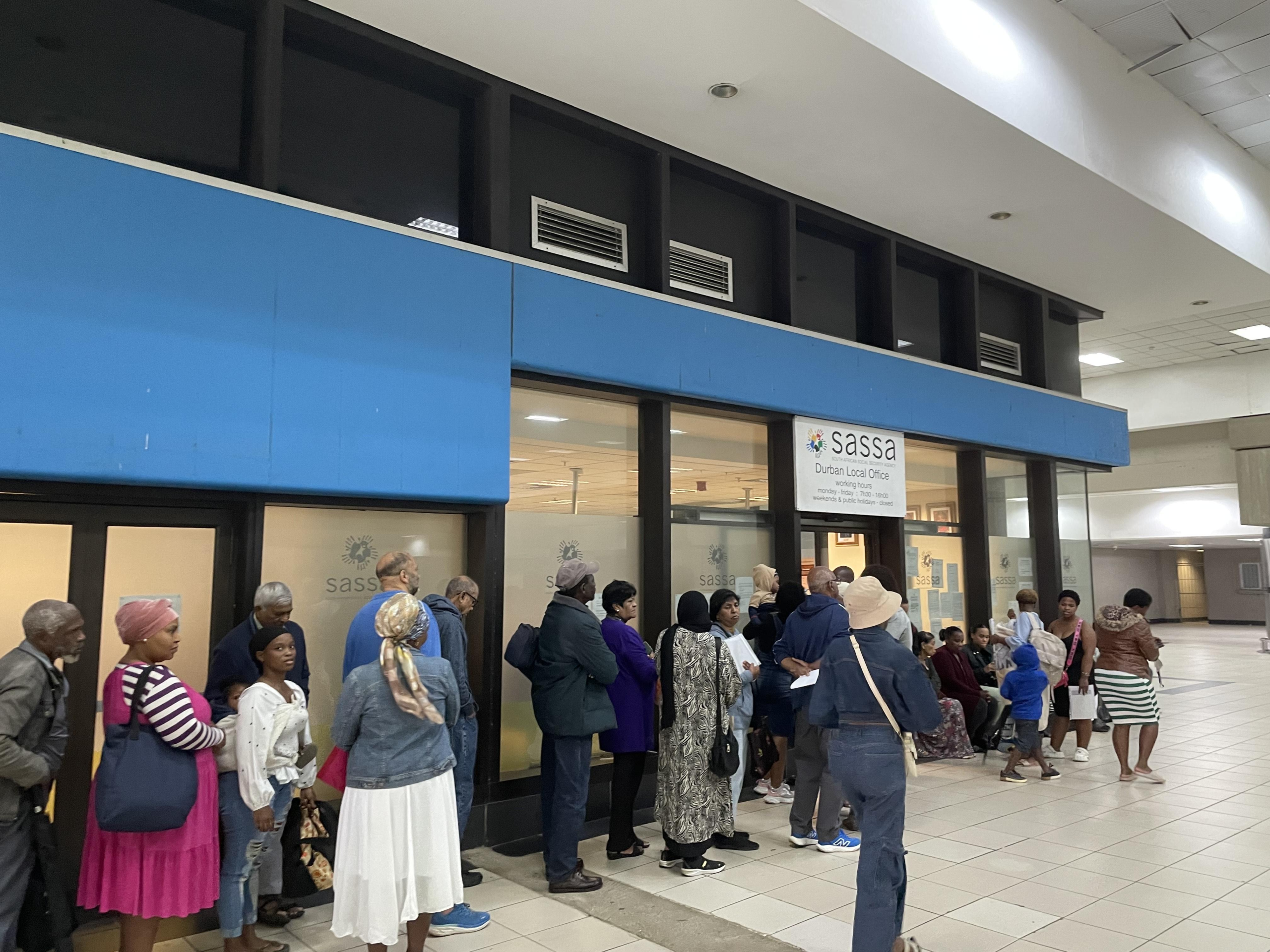
- Reducing congestion at physical SASSA offices
- Enhancing accountability and transparency
The stakes are substantial. Authorities estimate that stricter enforcement of verification measures could save up to R3 billion over two years by preventing payments to ineligible recipients.
Who Must Comply With the Requirement?
Universal Obligation, Targeted Enforcement
While all beneficiaries are subject to annual eLife Certification, not everyone is required to act immediately.
The requirement operates in two layers:
- Annual Certification Rule
Every beneficiary must eventually complete verification each year.
- Targeted Immediate Verification
SASSA identifies specific individuals for immediate certification and notifies them via SMS, WhatsApp, or email.
If you receive a notification, compliance within the stated timeframe is mandatory. Failure to do so may lead to payment delays or suspension.
This targeted approach reflects a more data-driven system, where risk indicators—rather than age or grant type alone—trigger verification requests.
What You Need for eLife Certification
Key Requirements and Tools
To successfully complete the process, beneficiaries must meet the following requirements:
- A valid South African ID document
- Access to the SASSA online services portal
- A smartphone or device capable of biometric capture
- Updated contact details (phone number and email)
The process uses an electronic Know Your Client (eKYC) system, which verifies identity through:
- Digital facial recognition
- Fingerprint scanning
This biometric layer is central to the system’s reliability, ensuring that verification cannot be easily manipulated.
How the Certification Process Works
Digital Verification Explained
Before outlining the steps, it is important to understand what the process achieves: it confirms identity, validates eligibility, and updates the beneficiary’s status in real time.
Below are the steps you need to follow:
- Access the official SASSA services portal
Use your phone or computer to open the platform.
- Log in or create an account
Register using your South African ID if you are a first-time user.
- Complete biometric verification (eKYC)
Capture a digital photo and fingerprint as prompted.
- Submit your details
The system processes your verification automatically.
- Receive confirmation
Notification is sent via your registered contact details.
This online pathway is designed to reduce travel costs and eliminate long queues at local offices.
What Happens If You Don’t Meet the Requirement?
Consequences of Non-Compliance
The implications of ignoring the SASSA eLife Certification requirement are immediate and significant:
- Payment delays
- Temporary suspension of grants
- Classification as inactive or potentially deceased
In some cases, failure to certify may trigger a full investigation into eligibility status. However, payments are typically reinstated once verification is successfully completed.
The system operates on a precautionary principle—if proof of life is missing, payments are paused until confirmation is provided.
Addressing Common Challenges
System Errors and Access Issues
Earlier in 2026, technical disruptions affected the certification process, largely due to integration challenges with other government systems. These issues have since been resolved, and the portal is now fully operational.
For beneficiaries facing difficulties:
- Retry the process if errors occurred previously
- Visit a SASSA office if biometric verification fails
- Update incorrect contact information promptly
The agency has emphasized that the portal remains the most reliable channel for completing certification.
Broader Impact on Society
Protecting Public Resources
The introduction and enforcement of eLife Certification reflect a broader policy shift toward accountability in public spending. By verifying beneficiaries more rigorously, the government ensures that limited resources are directed to those in genuine need.
This has several implications:
- Increased trust in the social grant system
- Reduced financial leakage due to fraud
- Improved sustainability of welfare programs
At the same time, the digital transition raises important considerations about accessibility, particularly for rural or elderly beneficiaries who may struggle with online systems.
Future Outlook: What Comes Next?
Toward a Fully Digital Welfare System
Looking ahead, the trajectory is clear. SASSA is likely to expand:
- Biometric authentication capabilities
- Integration with national databases
- Real-time eligibility monitoring
The success of eLife Certification will depend on system reliability, user accessibility, and ongoing public awareness. As digital infrastructure improves, the process may become more automated, reducing the need for manual intervention altogether.
Conclusion: Compliance Is Non-Negotiable
The SASSA eLife Certification requirement in 2026 is more than a procedural step—it is a legal obligation and a critical safeguard for the country’s social welfare system.
For beneficiaries, the message is clear:
- Stay informed
- Respond promptly to verification requests
- Use official channels only
- Keep personal information updated
Completing certification on time ensures uninterrupted access to grants and helps maintain the integrity of a system that supports millions of South Africans.


