Weekly Poll Results: Motorola’s Razr 70 / 2026 Series Faces Backlash Over Pricing and Software Support
Motorola entered 2026 hoping to build on the momentum of its increasingly popular Razr foldable lineup. Instead, the company is facing a wave of criticism from longtime fans, reviewers, and poll participants who believe the new Razr 70 series — known in the United States as the Razr 2026 lineup — asks consumers to pay flagship prices for modest upgrades and limited long-term support.
- A Foldable Lineup That Divided Fans
- The Biggest Complaint: The Prices
- The Razr Ultra 2026: Premium Price, Familiar Hardware
- Older Chips in Expensive Phones
- Software Support Remains a Major Weakness
- Motorola May Be a Victim of Its Own Success
- Competition Is Becoming More Dangerous
- The Razr Fold Could Shift Attention
- Poll Results Reveal a Broader Industry Problem
- Final Thoughts
At the center of the debate is a simple question: how much innovation should buyers expect from a premium foldable phone in 2026?
For many consumers, Motorola’s answer has not been convincing enough.


A Foldable Lineup That Divided Fans
Motorola unveiled three main flip-style foldables this year:
- Motorola Razr 70 (Razr 2026)
- Motorola Razr 70+ (Razr Plus 2026)
- Motorola Razr 70 Ultra (Razr Ultra 2026)
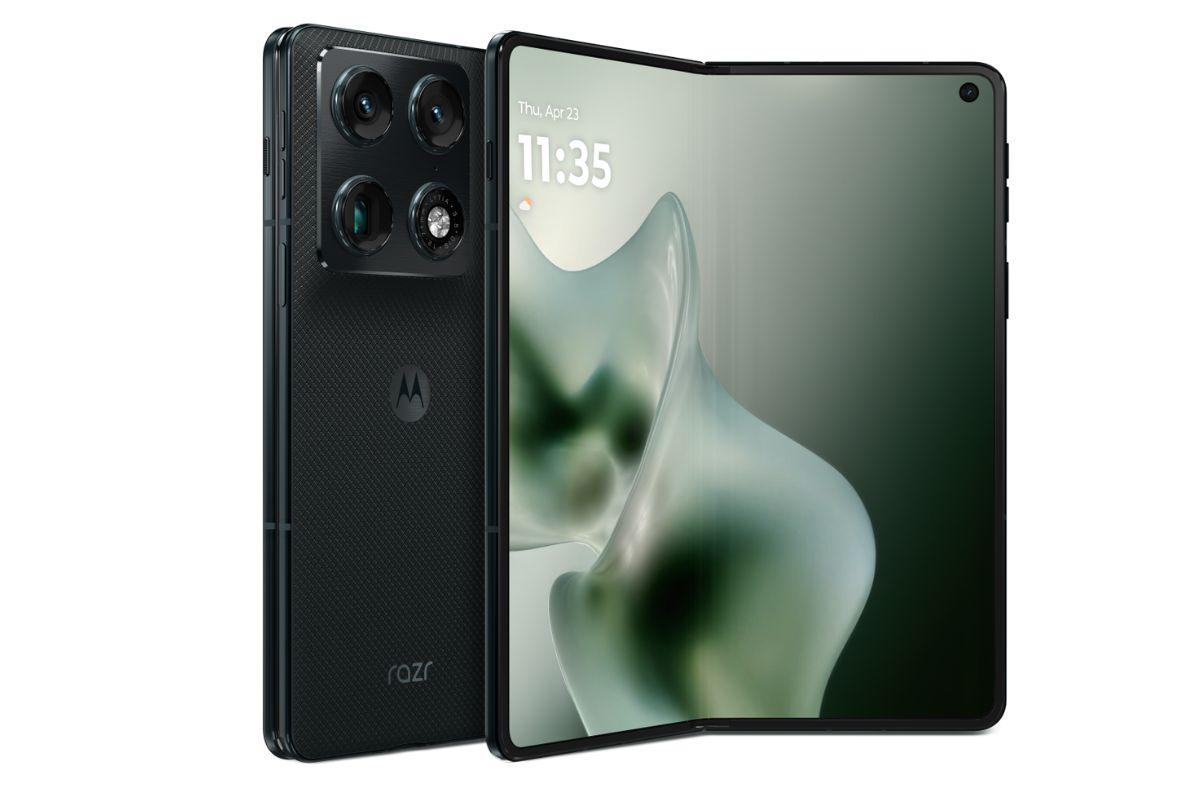
The company also introduced the Razr Fold, a larger book-style foldable intended to compete with devices like Samsung’s Galaxy Z Fold series.


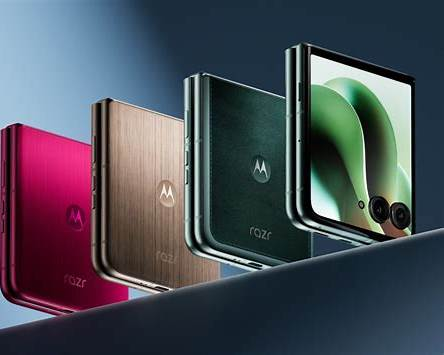
On paper, the Razr lineup appears polished and refined. Motorola retained the sleek clamshell design language that helped revive the Razr brand in recent years, added larger silicon-carbon batteries, introduced new finishes and Pantone-inspired color options, and maintained some of the best external displays in the flip-phone category.
But weekly poll results and commentary from across the mobile industry show that buyers expected more substantial improvements.
The Biggest Complaint: The Prices
The strongest criticism surrounding the Razr 70 lineup concerns pricing.
Motorola raised prices across the entire range:


| Model | Starting Price |
|---|---|
| Razr 70 / Razr 2026 | $800 |
| Razr 70+ / Razr Plus 2026 | $1,100 |
| Razr 70 Ultra / Razr Ultra 2026 | $1,500 |
The Ultra model received the harshest reaction because many consumers believe the hardware changes do not justify the $200 increase over last year’s version.
Poll participants repeatedly pointed to a difficult reality for Motorola: at these prices, the Razr phones are competing directly with premium flagship devices like Samsung’s Galaxy S26 Ultra and Apple’s iPhone 17 Pro.
For a brand still struggling to establish itself as a premium software ecosystem competitor, that comparison has become problematic.
One reader comment summarized the frustration bluntly:
“Indeed you can’t charge $1500 like you’re Samsung or Apple or Vivo when you have a budget range attitude to software updates.”
The Razr Ultra 2026: Premium Price, Familiar Hardware
The Razr Ultra 2026 should have been Motorola’s showcase device. Instead, it became the main example critics used to argue that the company is playing things too safe.
Reviewers noted that the Ultra model shares remarkably similar specifications with the previous generation:
- Same 7-inch internal display
- Same 4-inch cover display
- Nearly identical dimensions and weight
- Same Snapdragon 8 Elite chipset
- Same camera system
- Mostly unchanged charging capabilities
The most visible improvements are a slightly larger 5,000mAh battery and new material finishes.
For many buyers, that was not enough to justify a jump to $1,500.
Industry commentary described the new Ultra as “effectively the same phone as the 2025 model.”
The frustration is amplified by the fact that Motorola is still selling the Razr Ultra 2025 at dramatically reduced prices. In the United States, the previous-generation Ultra with 1TB storage has already dropped to around $800 — nearly half the cost of the new Ultra.
That pricing overlap creates a serious challenge for Motorola’s sales strategy.
Older Chips in Expensive Phones
Another recurring criticism is Motorola’s continued use of aging processors.
The Razr Ultra 2026 still relies on the Snapdragon 8 Elite chipset, while the Razr Plus 2026 continues using the Snapdragon 8s Gen 3.
The base Razr 2026 technically received a newer MediaTek Dimensity 7450X chip, but reviewers described the improvement as minimal.
For flagship-priced foldables, consumers increasingly expect cutting-edge silicon, especially as AI features, advanced multitasking, and camera processing become more demanding.
Instead, many analysts feel Motorola focused on iterative refinement rather than meaningful performance evolution.
Software Support Remains a Major Weakness
Pricing alone might not have triggered such strong criticism if Motorola also offered industry-leading software support.
But this remains one of the company’s biggest weaknesses.
Motorola’s support policy reportedly promises:
- Up to 3 OS updates
- Up to 5 years of security patches in some regions
- No clear guarantee from Motorola US for certain models
That places Motorola significantly behind Samsung and Google, both of which now offer seven years of Android and security updates on flagship devices.
In the foldable category — where devices cost over $1,000 and are increasingly marketed as long-term investments — software longevity matters more than ever.
Consumers worry that expensive Razr phones could feel obsolete much sooner than rival devices.
Motorola May Be a Victim of Its Own Success
Ironically, some analysts believe Motorola’s biggest problem is that it already perfected much of the flip-phone formula in previous years.
The Razr 2024 and Razr 2025 generations were widely praised for their balance of design, usability, and practicality.
That left Motorola with limited room for dramatic year-over-year improvement without pushing prices even higher.
One reviewer argued that the Razr lineup has become “a victim of its own success.”
The hardware still feels premium:
- Compact and lightweight construction
- Strong hinge mechanism
- Useful outer display functionality
- Distinctive Pantone-inspired finishes
- Durable build quality with MIL-STD-810H certification
But consumers now expect more than refinement. They expect innovation.
Competition Is Becoming More Dangerous
Motorola’s timing may also be unfortunate.
Samsung is preparing the Galaxy Z Flip 8, and early rumors suggest the device could feature major design improvements.
Meanwhile, Chinese brands continue advancing aggressively in foldables, especially in battery technology, camera systems, and thinner designs.
Devices like the HONOR Magic V6 and Google Pixel 10 Pro Fold already offer stronger water resistance ratings than Motorola’s IP48 certification.
The foldable market is no longer experimental. Buyers are comparing these devices directly against mature flagship ecosystems.
The Razr Fold Could Shift Attention
One interesting twist in Motorola’s 2026 strategy is the Razr Fold.
Unlike the flip models, the Fold generated stronger enthusiasm thanks to:
- Snapdragon 8 Gen 5 processor
- 6,000mAh battery
- 80W charging
- Triple 50MP cameras
- Lower pricing than the Galaxy Z Fold 7
Some analysts believe the Razr Fold may become the real story of Motorola’s foldable year, overshadowing the flip lineup entirely.
If that happens, Motorola may need to rethink how aggressively it updates the Razr flip series moving forward.
Poll Results Reveal a Broader Industry Problem
The Razr 70 backlash reflects a wider trend affecting the smartphone industry in 2026.
Consumers are becoming less willing to pay higher prices for incremental upgrades.
Across flagship smartphones, many buyers now ask:
- Why upgrade if the experience barely changes?
- Why pay more for older processors?
- Why spend flagship money without long-term software support?
Motorola is far from the only company facing these questions. Samsung has also faced criticism for conservative yearly upgrades, while Apple continues navigating slowing innovation cycles in smartphones.
But foldables face additional pressure because they still carry premium pricing.
Consumers expect these devices to feel futuristic.
Final Thoughts
The Motorola Razr 70 / 2026 series is not a disaster. In fact, most reviewers agree the phones are still good foldables with polished hardware, attractive designs, and strong usability.
The real issue is value.
Motorola appears to have launched a lineup that feels too familiar, too expensive, and too limited in long-term support for the prices being charged.
That combination turned what should have been an exciting foldable release into a broader debate about smartphone innovation, pricing strategy, and consumer expectations in 2026.
For Motorola, the challenge now is clear: refinement alone may no longer be enough.