Google’s 5GB Gmail Storage Test Signals a Bigger Shift in Cloud Strategy
For more than a decade, creating a Google account came with a familiar promise: 15GB of free cloud storage shared across Gmail, Google Drive, and Google Photos. That free allocation became one of Google’s most powerful advantages in the battle for users, helping the company dominate email, cloud storage, and mobile ecosystems worldwide.
- Why Google Is Reducing Free Storage for Some Users
- The Small Wording Change That Revealed a Bigger Plan
- Which Regions Are Affected?
- A Reminder of How Revolutionary Gmail Once Was
- The AI Era Is Changing the Economics of Cloud Storage
- Privacy Concerns Are Emerging
- Existing Users Appear Safe — For Now
- What This Means for the Future of Free Internet Services
Now, that long-standing policy appears to be changing.
Google has confirmed that it is testing a new system in which some newly created Gmail accounts receive only 5GB of free storage instead of the traditional 15GB. The company says the move is tied to security and service quality, but the change is already sparking debate about privacy, account verification, and the future of “free” cloud services.
The development first surfaced after users noticed unusual storage limits while creating new Google accounts. Screenshots shared online showed a message informing users that they had access to only 5GB of storage unless they added a phone number to their account. Once verified, the full 15GB allocation would reportedly be unlocked at no additional cost.


Google later acknowledged the test publicly.
“We’re testing a new storage policy for new accounts created in select regions that will help us continue to provide a high-quality storage service to our users, while encouraging users to improve their account security and data recovery.”
That statement, provided to Android Authority and later echoed across multiple technology reports, marks one of the clearest signs yet that Google is reconsidering how much free cloud storage it can sustainably provide at scale.


Why Google Is Reducing Free Storage for Some Users
Google frames the experiment as a security and infrastructure decision rather than a direct cost-cutting exercise.
The company says requiring a phone number can help improve account recovery and reduce abuse of free storage systems. In practice, verified phone numbers make it harder for users to create large numbers of fake or disposable accounts solely to gain additional storage.
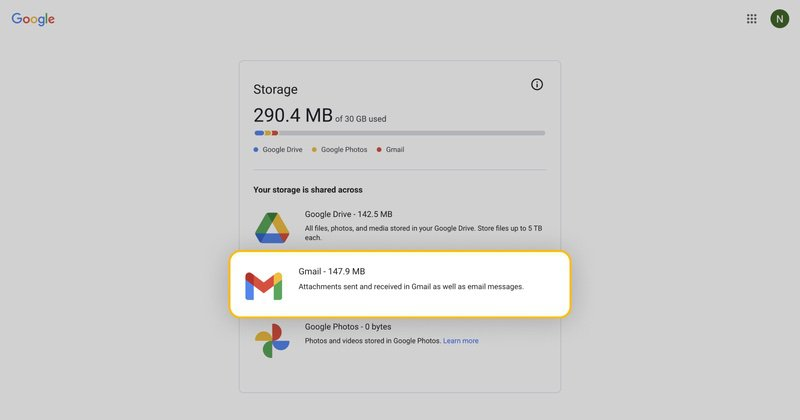
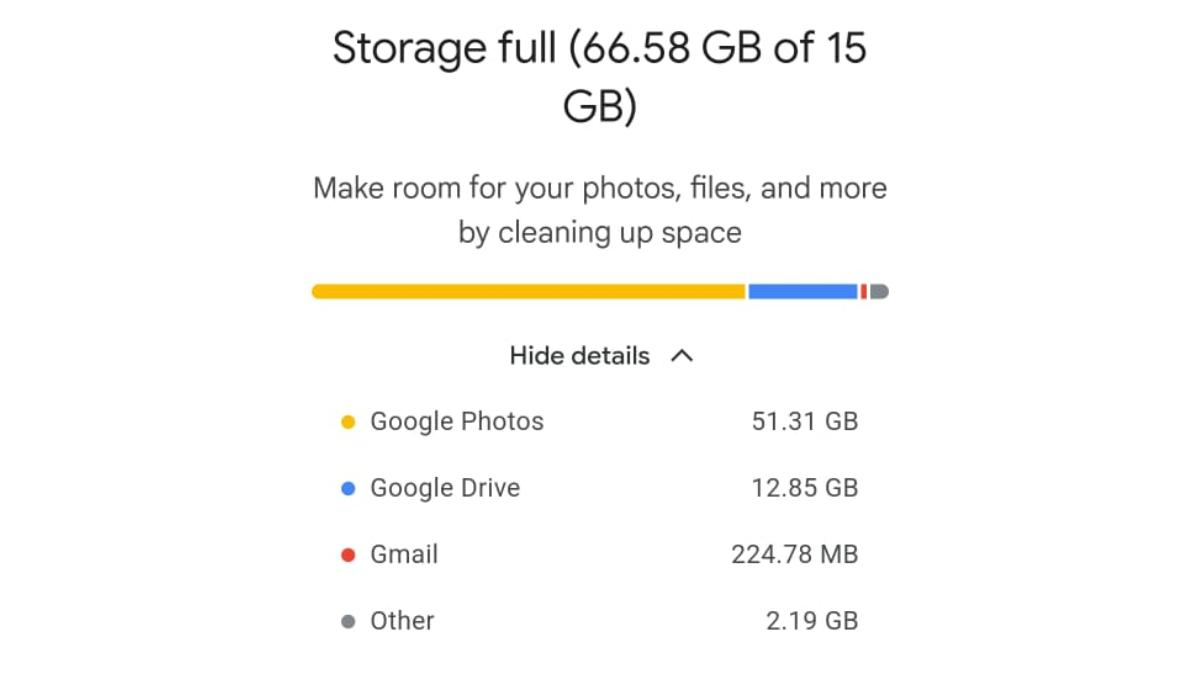
That matters because free cloud storage is no longer just about email. The 15GB allocation covers several increasingly data-heavy services:


- Gmail
- Google Drive
- Google Photos
- AI-generated content and attachments
- Shared files and backups
As users upload more high-resolution photos, videos, and AI-generated documents, storage demands have risen dramatically. Google’s infrastructure costs have likely increased alongside those usage patterns.
Reports suggest the company may also be exploring a broader “per person” storage model rather than a “per account” model. Under such a system, users would no longer be able to repeatedly create new Gmail accounts to accumulate effectively unlimited free cloud space.
That would represent a major philosophical shift for Google’s ecosystem.
The Small Wording Change That Revealed a Bigger Plan
One of the most revealing details may not be the 5GB limit itself, but a subtle edit Google made to its official support documentation.
Previously, Google’s support pages stated:
“Each Google Account includes 15 GB of storage.”
The wording has now changed to:
“Each Google Account includes up to 15 GB of storage.”
That seemingly minor adjustment significantly broadens Google’s flexibility. It means the company is no longer guaranteeing 15GB universally.
According to reports, archived versions of the page suggest the change may have appeared as early as February or March 2026, indicating the policy test had likely been planned for months.
Which Regions Are Affected?
Google has not officially disclosed which countries or regions are included in the test.
However, early user reports suggested that several affected accounts were being created in African countries. The company has neither confirmed nor denied those claims.
That lack of transparency has fueled concern among some users who fear that Google could gradually expand the system globally.
At the moment, there is no evidence that existing Google accounts are losing storage. The reported changes appear focused primarily on newly created accounts without phone verification.
A Reminder of How Revolutionary Gmail Once Was
The controversy surrounding the reduction highlights how important Google’s free storage model has been historically.
When Gmail launched in 2004, it shocked the technology world by offering 1GB of free email storage at a time when competitors provided only tiny inbox capacities.
That single move transformed user behavior. Instead of deleting emails constantly, people could archive everything and rely on search to retrieve information later.
Google steadily increased the limits over the years:
- 1GB at launch in 2004
- 2GB in 2005
- 7GB and later 10GB in subsequent years
- 15GB in 2013 after integrating Gmail, Google Drive, and Google Photos into a unified storage system
The generous free tier became a key reason millions of users chose Google over competitors.
Ironically, Apple still offers only 5GB of free iCloud storage today — the same amount Google is now testing for unverified accounts.
The AI Era Is Changing the Economics of Cloud Storage
The timing of the change is not accidental.
Google is currently investing heavily in artificial intelligence products, including Gemini AI integrations across Gmail, Docs, Drive, and Photos. Those services require massive computing infrastructure and increasingly large storage systems.
At the same time, Google has been aggressively expanding its paid Google One subscription tiers.
The company recently introduced additional premium plans that bundle:
- Higher cloud storage limits
- Gemini AI tools
- AI-assisted writing features
- NotebookLM enhancements
- AI video generation capabilities
Some industry observers believe the 5GB experiment may also be designed to encourage more users to eventually subscribe to paid storage plans.
Even if Google does not immediately reduce free storage worldwide, limiting access for unverified accounts could gradually normalize smaller free allocations over time.
Privacy Concerns Are Emerging
Not everyone is comfortable with the tradeoff.
Some users argue that requiring a phone number for full storage access places additional pressure on people to share personal information with Google.
Others worry about accessibility in regions where users may not always have reliable mobile connectivity or easy access to phone verification systems.
Online reactions have been sharply divided.
Supporters argue that companies are not obligated to provide large amounts of free cloud storage indefinitely. Critics counter that Google’s vast advertising business already benefits enormously from user data and engagement.
The debate reflects a broader tension in the tech industry: users increasingly expect free digital services, while companies face rising infrastructure and AI-related costs.
Existing Users Appear Safe — For Now
At present, Google has not announced any reductions for existing accounts.
Users who already have 15GB of storage and linked phone numbers are expected to retain their current allocations.
Still, the wording of Google’s updated support documents leaves room for future adjustments. The phrase “up to 15GB” gives the company flexibility to continue experimenting with storage policies without formally breaking previous guarantees.
Whether this test remains limited or evolves into a global standard may depend on user reaction, storage costs, and Google’s long-term AI strategy.
What This Means for the Future of Free Internet Services
Google’s experiment may ultimately represent something larger than a simple storage adjustment.
For years, the internet economy was built on generous free services funded largely through advertising. But the rise of AI infrastructure, massive cloud computing demands, and growing concerns about spam and fake accounts are changing that equation.
The era of abundant free cloud storage may be entering a new phase — one where identity verification, subscription models, and AI-powered services become increasingly interconnected.
If Google eventually expands the 5GB policy globally, it could reshape how millions of users create and manage Gmail accounts in the future.
And because Google often sets industry trends, competitors may eventually follow.