

Meta’s Ray-Ban Display Gets Air-Typing, Opening a New Era for Smart Glasses
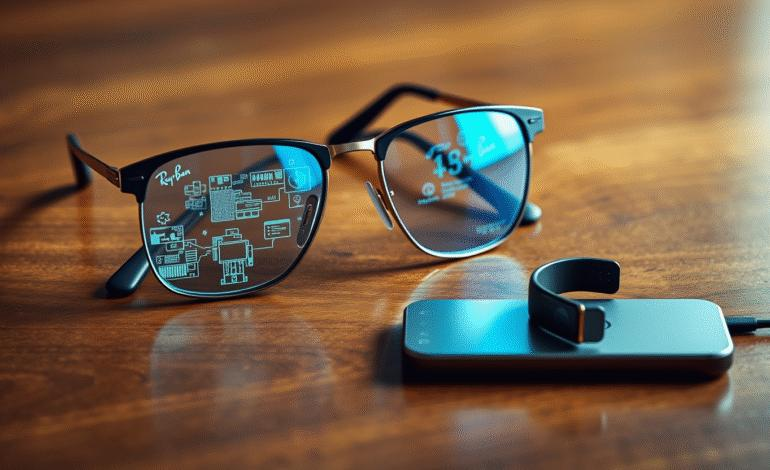
Meta is pushing its vision of wearable computing further into the mainstream with a major software update for the Ray-Ban Display smart glasses. The latest release introduces one of the platform’s most futuristic capabilities yet: typing messages through subtle hand and finger gestures in mid-air.
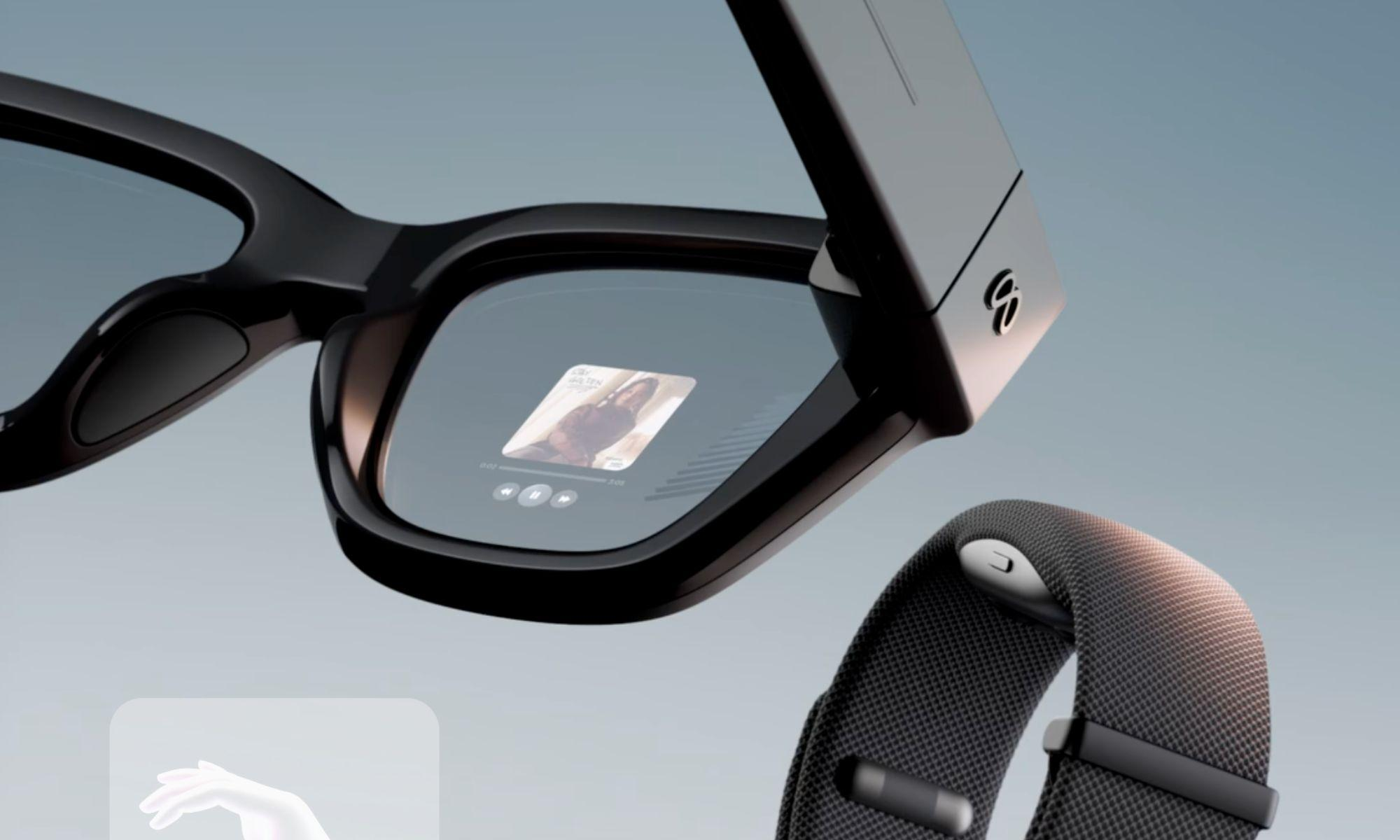
The feature, officially called Neural Handwriting, allows users to compose and reply to messages without touching a phone or physical keyboard. Instead, the system interprets small finger movements through a neural wristband accessory that ships with the $800 Ray-Ban Display glasses.
What once sounded like science fiction is now rolling out broadly across iOS and Android devices, bringing gesture-based typing to apps such as WhatsApp, Messenger, Instagram, and native phone messaging systems.
The update marks a significant step in Meta’s long-term strategy to turn smart glasses into a genuine computing platform rather than a niche gadget.
Typing Without a Keyboard
The centerpiece of Meta’s latest update is Neural Handwriting, a feature that has spent months in limited beta testing before now becoming available to all Ray-Ban Display users.
The system works using Meta’s Neural Band accessory, which relies on advanced surface electromyography (sEMG) technology. The wristband detects tiny electrical signals generated by muscle movement in the hand and fingers. These movements are then translated into text input.
Users can “write” letters by moving their fingers on virtually any surface — including a desk, their leg, or even their palm.
Rather than tapping on a touchscreen, wearers can discreetly gesture while the glasses interpret the movements into messages and commands.
Meta says the feature now supports:
- Messenger
- Native Android messaging apps
- Native iOS messaging apps
- Phone notification replies
- Contact searches
The update dramatically expands the functionality beyond its earlier beta phase, where support was limited primarily to Messenger and WhatsApp.
The result is a hands-free communication experience that Meta hopes will feel faster, more natural, and less intrusive than constantly pulling out a smartphone.
A Bigger Push Into Wearable AI
The gesture-writing capability is part of Meta Update 125, a broader software package that significantly expands what the Ray-Ban Display glasses can do.
One of the most notable additions is a new display recording feature. Unlike ordinary smart-glasses recording systems, Meta’s implementation captures multiple layers simultaneously:
- the in-display interface,
- the camera’s point-of-view footage,
- and surrounding environmental audio.
All of this is combined into a single video file, creating what Meta describes as a more immersive mixed-reality recording experience.
The company is clearly positioning the glasses not just as an accessory for photography or notifications, but as a lightweight computing platform capable of communication, navigation, content creation, and contextual AI interactions.
Navigation Gets a Major Upgrade
Meta has also expanded mapping and navigation features within the Ray-Ban Display ecosystem.
Walking directions now support:
- the entire United States,
- London,
- Paris,
- Rome,
- and additional major international cities.
The updated navigation system includes:
- richer map results,
- voice-guided navigation,
- saved home and work locations,
- and enhanced route discovery.
These changes push the glasses closer to becoming an always-available navigation companion, particularly for pedestrians and travelers who want hands-free directions without constantly checking a phone screen.
Messaging and Social Features Expand
Communication apps are also receiving significant upgrades in the new release.
WhatsApp now supports:
- group video calls,
- phone call captions,
- and enhanced messaging interactions.
Instagram improvements focus on smoother Reels and direct-message navigation, while Facebook integration now includes widgets for birthdays and sports updates.
Meta’s goal appears increasingly clear: integrate its entire ecosystem of social platforms directly into wearable hardware.
Instead of opening apps on a smartphone, the company wants users to interact with services through lightweight visual overlays and gesture-based controls.
Developers Can Finally Build for the Platform
Perhaps the most important long-term announcement in the update is Meta’s decision to officially open the Ray-Ban Display platform to third-party developers.
Developers can now use the Device Access Toolkit SDK, available on both iOS and Android, to create:
- targeted interfaces for existing apps,
- dedicated native applications,
- or browser-based WebApps optimized for the glasses.
That move could dramatically expand the platform’s usefulness.
Early community experiments have already demonstrated applications for:
- transit navigation,
- aviation tools,
- grocery list management,
- lightweight gaming,
- and even YouTube playback.
Opening the ecosystem mirrors strategies used by successful computing platforms in the past. Smartphones, tablets, and smartwatches all accelerated once developers could freely build applications tailored to the hardware.
Meta appears to be betting that smart glasses will follow the same trajectory.
Why This Update Matters
The latest Ray-Ban Display update highlights a broader shift happening across the tech industry.
For years, companies have tried to move computing beyond traditional screens and keyboards. Voice assistants, augmented reality, and wearable devices have all been part of that effort, but most struggled to become everyday tools.
Meta’s approach combines several technologies into a more cohesive system:
- AI-powered interfaces,
- contextual overlays,
- gesture recognition,
- social connectivity,
- and lightweight wearable hardware.
The Neural Handwriting feature is especially important because it addresses one of wearable computing’s biggest problems: input.
Typing on tiny screens has always been awkward. Speaking aloud to devices is often socially uncomfortable. Gesture-based input offers a possible middle ground — subtle, private, and hands-free.
If the technology proves reliable in daily use, it could become one of the defining interaction methods for future wearable devices.
Competition in the Smart Glasses Market Is Heating Up
Meta is not alone in the race to define the future of smart eyewear.
Apple continues to expand its spatial computing ambitions through Vision products and AI integrations. Google is re-entering wearable AI experiences through Android XR partnerships. Other firms are exploring lightweight augmented reality glasses for both consumer and enterprise markets.
However, Meta currently holds one major advantage: it already has a commercially available smart-glasses product with a recognizable fashion brand attached to it.
The partnership with Ray-Ban gives the glasses a more mainstream appearance than many previous wearable tech experiments, helping avoid the bulky “prototype” aesthetic that limited earlier AR devices.
By adding increasingly sophisticated software features, Meta is attempting to turn that hardware advantage into a long-term ecosystem.
The Road Ahead for Meta’s Wearable Ambitions
Meta CEO Mark Zuckerberg has repeatedly described smart glasses as a potential successor to smartphones over the long term.
While that future remains years away, updates like Neural Handwriting suggest Meta is steadily building the foundational pieces required for wearable-first computing.
The company is not simply adding flashy experimental features. It is building:
- new interaction methods,
- developer ecosystems,
- communication tools,
- navigation systems,
- and AI-enhanced interfaces.
The Ray-Ban Display glasses may still appeal primarily to early adopters today, but Meta’s latest update shows the platform evolving rapidly into something far more ambitious.
And with air-gesture typing now available to all users, the era of silently writing messages in mid-air may have officially begun.


