DJI Unveils the Osmo Pocket 4P as a Serious Cinema Tool for Indie Filmmakers
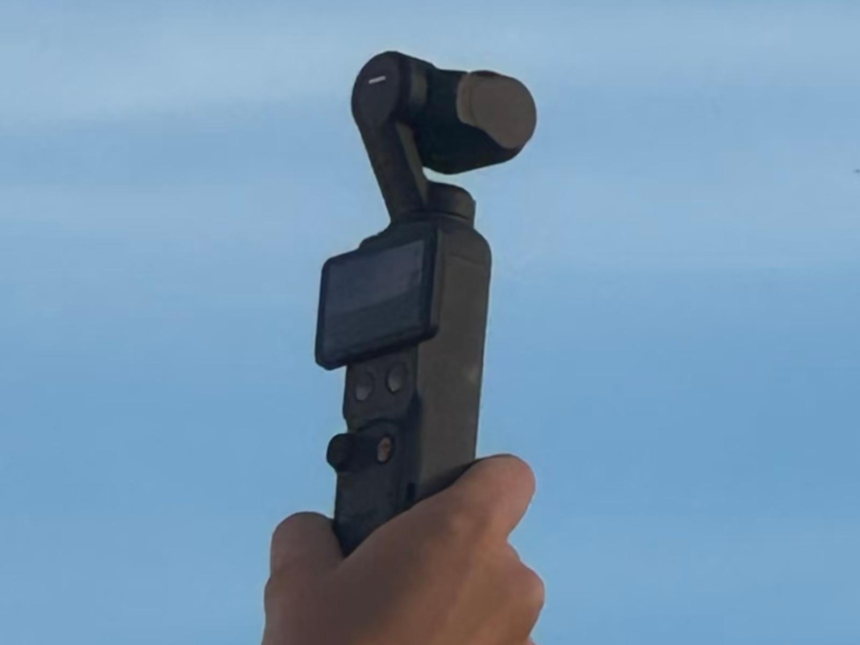
The Cannes Film Festival has long been associated with prestige cinema, red carpets, and major industry announcements. This year, however, one of the more intriguing reveals came not from a traditional camera manufacturer but from DJI, the company better known for drones and stabilizers. During a brief but carefully timed appearance at Cannes 2026, DJI introduced the Osmo Pocket 4P — a new compact filmmaking camera designed specifically for independent filmmakers and professional storytellers.
- A Different Kind of Pocket Camera
- Cannes Was the Perfect Stage
- The Biggest Upgrade: A Dual-Camera System
- Professional Color Grading Comes to the Pocket Series
- Improved Low-Light Performance
- Stabilization Remains Central to the Experience
- Designed for the Modern Indie Filmmaker
- Accessories and the Broader DJI Ecosystem
- Pricing and Availability Remain Unclear
- Why the Pocket 4P Could Matter
- Conclusion
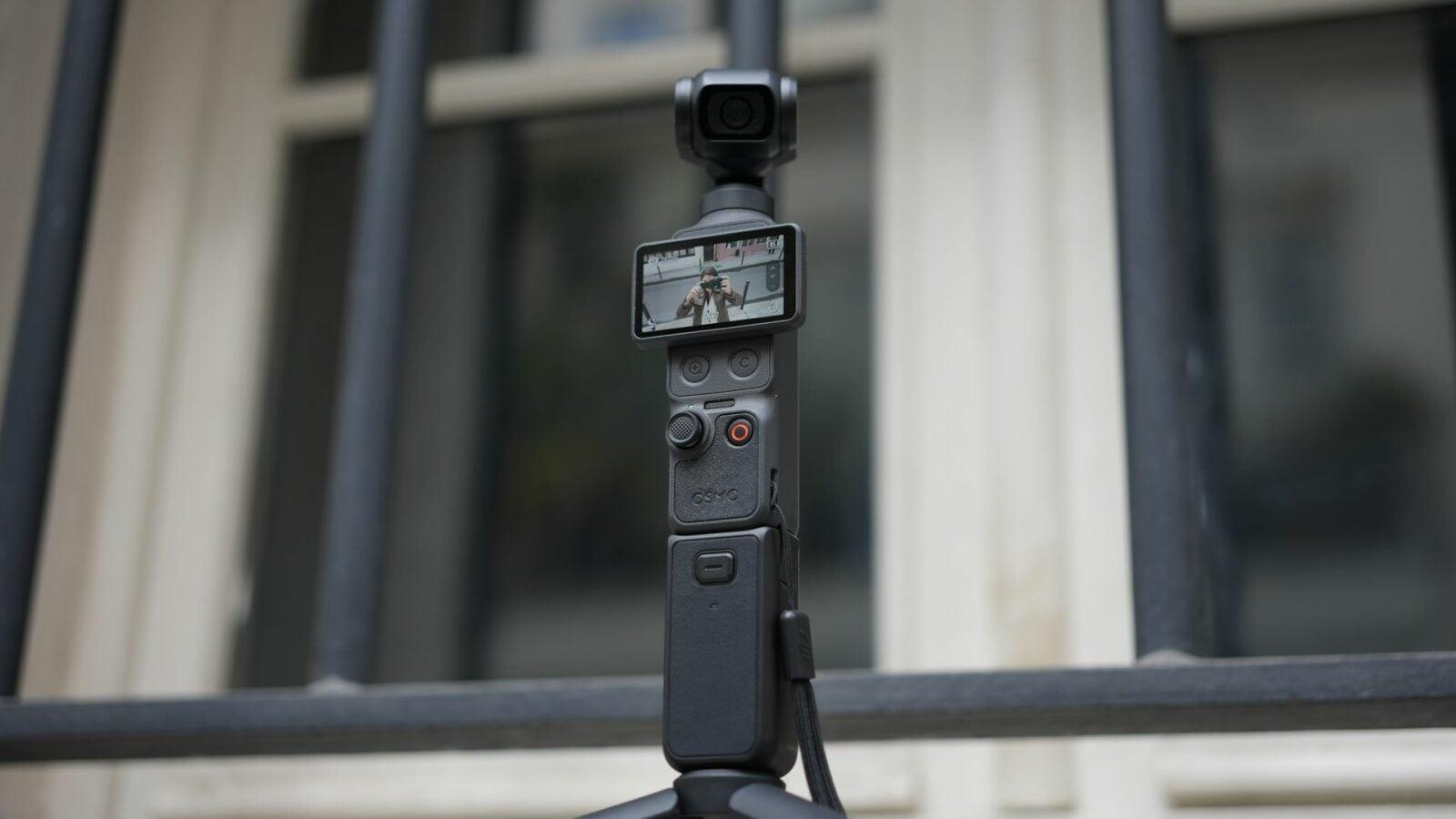
Unlike the standard Osmo Pocket 4 launched last month, the new Pocket 4P is positioned as a far more cinematic tool. DJI’s messaging surrounding the device leaves little doubt about its ambitions: this is not simply another vlogging camera. Instead, the company is attempting to redefine what a pocket-sized filmmaking rig can accomplish.
From professional-grade color workflows to dual-camera optics and improved low-light capabilities, the Osmo Pocket 4P appears to push DJI deeper into the professional filmmaking ecosystem already occupied by products like the Ronin series and Inspire cinema drones.


A Different Kind of Pocket Camera
The Osmo Pocket lineup has historically targeted vloggers, travelers, and social media creators looking for stabilized footage in an ultra-portable form factor. The original appeal was simple: cinematic stabilization without carrying a heavy camera rig.
But the Pocket 4P changes the conversation.


DJI introduced the device at Cannes with language centered around “cinematic excellence,” narrative storytelling, tonal depth, and professional production workflows. The positioning alone signals a major shift in strategy.
The company says the Pocket 4P combines “professional-grade filmmaking capabilities” with true portability, offering creators the ability to shoot polished cinematic footage from a device small enough to fit into a jacket pocket.
That distinction matters in today’s filmmaking landscape, where independent creators increasingly rely on lightweight gear for documentaries, travel productions, YouTube filmmaking, and run-and-gun shooting styles.
Cannes Was the Perfect Stage
DJI’s choice to unveil the Pocket 4P at the Cannes Film Festival was not accidental.


Cannes is traditionally dominated by conversations about cinema cameras, artistic filmmaking, and visual storytelling. By bringing the Pocket 4P to that environment instead of a conventional consumer electronics event, DJI effectively framed the camera as a filmmaking instrument rather than a creator gadget.
The reveal also reinforced DJI’s growing ambition to become a broader production ecosystem company.
In recent years, DJI has expanded beyond drones into professional gimbals, microphones, wireless audio systems, power stations, and cinema production tools. The Pocket 4P now appears to bridge those ecosystems into a single portable filmmaking platform.
The Biggest Upgrade: A Dual-Camera System
One of the most significant revelations surrounding the Pocket 4P is the addition of a second camera sensor.
Unlike the standard Pocket 4, which features a single primary camera, the 4P reportedly includes a telephoto lens alongside the main sensor. DJI itself confirmed the dual-camera arrangement during the Cannes showcase, although many details remain undisclosed publicly.
Leaks and previews suggest the setup includes:
- A 1-inch primary sensor
- A secondary 1/1.5-inch telephoto sensor
- 3x optical zoom
- An equivalent 70mm focal length
This matters because compact creator cameras have traditionally struggled with natural portrait compression and cinematic depth. Wide-angle lenses often distort facial proportions and create an artificial “smartphone look.”
The addition of a telephoto lens changes that dramatically.
According to early demonstrations, the 3x lens helps correct perspective distortion while producing more natural background separation and bokeh.
For independent filmmakers, interview creators, and documentary shooters, that could become one of the Pocket 4P’s defining advantages.
Professional Color Grading Comes to the Pocket Series
Perhaps the most important upgrade for serious creators is DJI’s inclusion of 10-bit D-Log2 color profiles.
The Pocket 4P supports professional-grade color grading workflows typically associated with far larger cinema cameras. DJI says the camera’s next-generation imaging system captures wider dynamic range while preserving greater highlight and shadow detail.
For filmmakers, 10-bit D-Log2 recording is not just a technical specification — it fundamentally changes post-production flexibility.
It allows creators to:
- Recover more detail in highlights and shadows
- Match footage with larger cinema cameras
- Perform advanced color correction
- Maintain tonal consistency across scenes
- Achieve more cinematic grading styles
Some reports suggest the camera may achieve up to 14 stops of dynamic range, though DJI has not officially confirmed final specifications.
The addition of D-Log2 also positions the Pocket 4P as a legitimate B-camera option for productions using Sony FX cameras, DJI Ronin 4D systems, or other professional cinema setups.
Improved Low-Light Performance
Low-light shooting has become increasingly important for modern creators, particularly documentary filmmakers and travel storytellers who often work in uncontrolled environments.
DJI claims the Pocket 4P’s upgraded sensor and imaging algorithms significantly improve nighttime and indoor shooting performance. The company says the device can capture cleaner footage with wider dynamic range in difficult lighting situations such as city streets at night or dim indoor scenes.
This could address one of the most common weaknesses of compact creator cameras: noisy footage and limited shadow recovery in dark environments.
The improved low-light capabilities are reportedly supported by:
- A larger primary sensor
- Enhanced image processing
- Advanced low-light algorithms
- Better tonal mapping
- Refined color reproduction
DJI also says the camera renders skin tones more accurately thanks to new color reproduction algorithms. That enhancement appears specifically targeted toward interview setups, cinematic vlogging, and narrative storytelling.
Stabilization Remains Central to the Experience
Although much of the conversation focuses on cinematic upgrades, stabilization remains one of the Osmo Pocket line’s core strengths.
DJI built its reputation on gimbal technology, and the Pocket 4P continues to integrate advanced stabilization into an extremely compact body. The camera also reportedly benefits from improved ActiveTrack 7.0 capabilities, which may include better subject recognition for faces, vehicles, and animals.
For solo filmmakers, this combination of stabilization and tracking can dramatically reduce the need for additional crew or equipment.
The result is a shooting style that feels closer to handheld cinema production while remaining lightweight and highly mobile.
Designed for the Modern Indie Filmmaker
The Pocket 4P appears specifically engineered for creators operating outside traditional studio systems.
That includes:
- Documentary filmmakers
- Travel filmmakers
- YouTube creators
- Independent directors
- Wedding videographers
- Run-and-gun shooters
- Social-first production teams
The device’s small footprint also makes it ideal for discreet filming in public environments where larger rigs attract attention.
According to reports, DJI intentionally emphasized this flexibility during the Cannes presentation, portraying the Pocket 4P as a serious storytelling tool rather than a lifestyle gadget.
Accessories and the Broader DJI Ecosystem
DJI also highlighted the Pocket 4P’s compatibility with a broad range of accessories designed to support professional production workflows.
Expected accessories include:
- External grips
- Fill lights
- Audio accessories
- Stabilization add-ons
- Portable power solutions
At Cannes, DJI additionally showcased products like the Power 1000 Mini and Power 2000 portable power stations, emphasizing how the company increasingly views itself as an integrated production ecosystem provider.
The strategy mirrors what Apple has done with content creation workflows: build interconnected tools that keep creators inside one ecosystem.
Pricing and Availability Remain Unclear
Despite the cinematic positioning, DJI has not yet officially revealed:
- Final specifications
- Global release dates
- Official pricing
- Regional availability
However, industry expectations suggest the Pocket 4P could cost significantly more than the standard Pocket 4.
The regular Pocket 4 starts at around £429/€479, while some estimates place the Pocket 4P closer to AUD$1,125 for the base package and approximately AUD$1,350 for a Creator Combo bundle.
There are also ongoing questions surrounding availability in the United States due to continuing political and regulatory pressure on Chinese technology products. Some reports speculate the device could launch under the “Xtra” branding in the US market.
For now, DJI says creators will need to wait for additional announcements regarding launch timing.
Why the Pocket 4P Could Matter
The most important aspect of the Pocket 4P may not be any single specification.
Instead, its significance lies in what it represents.
For years, cinematic filmmaking required:
- Large mirrorless cameras
- Heavy stabilization systems
- Multiple lenses
- External monitors
- Bulky production setups
The Pocket 4P challenges that assumption.
If DJI successfully delivers cinema-grade image quality, professional color workflows, optical zoom, stabilization, and strong low-light performance in a truly portable device, it could reshape expectations for independent production equipment.
In many ways, the Pocket 4P reflects a broader trend in filmmaking technology: the continued democratization of cinematic storytelling.
As tools become smaller, more affordable, and more capable, the barrier between independent creators and professional production continues to shrink.
And DJI clearly wants to be at the center of that transformation.
Conclusion
The DJI Osmo Pocket 4P may still be surrounded by unanswered questions, but its direction is already clear.
This is DJI’s most ambitious attempt yet to move beyond casual creator hardware and into serious filmmaking territory. With dual-camera optics, 10-bit D-Log2 color, improved stabilization, enhanced low-light performance, and professional workflow support, the Pocket 4P appears built for creators who demand cinematic quality without traditional production bulk.
By unveiling the camera at Cannes, DJI made a statement about where it believes filmmaking is heading: toward lighter, faster, more mobile production systems that no longer compromise on image quality.
Whether the Pocket 4P fully delivers on those promises will depend on its final specifications, real-world performance, and pricing. But even at this early stage, the device has already become one of the most intriguing compact filmmaking cameras of 2026.