Drake’s “Iceman Episode 4” Turns an Album Rollout Into a Full-Blown Spectacle
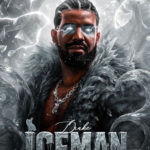
As anticipation reached its peak for Drake’s long-awaited album Iceman, the Toronto superstar delivered something far bigger than fans expected. Episode 4 of his experimental Iceman livestream series became a cinematic event, a confession booth, a diss-track showcase, and ultimately the launchpad for not one album, but three.
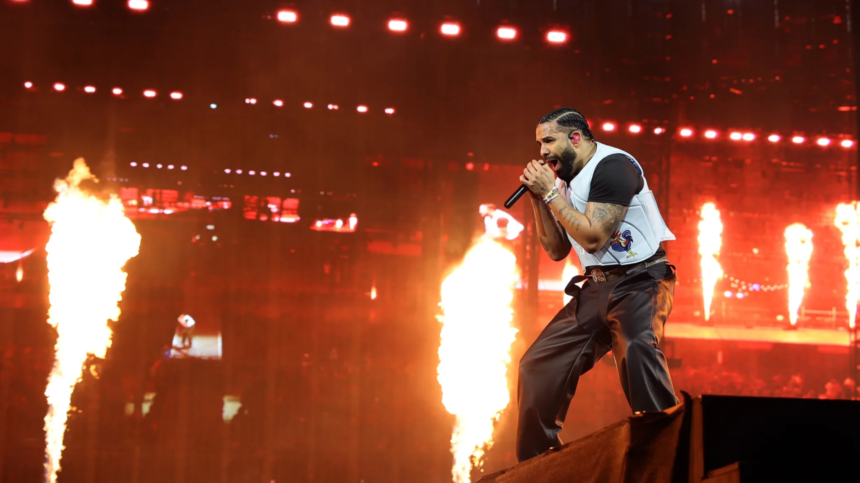
What began as another YouTube livestream evolved into one of the most ambitious hip-hop rollouts in recent memory. Drake used the broadcast to preview music, address old feuds, reveal deeply personal struggles, and reshape expectations around how major albums are released in the streaming era.
By the end of the night, Iceman was no longer just an album title. It had become an entire multimedia experience.
A Rollout Designed to Break the Rules
Drake first launched the Iceman livestream concept in July 2025, followed by additional episodes later that year. The strategy was intentionally unconventional.
In a rare interview discussing the project, Drake explained why he wanted to move away from traditional album promotion.
“I have been dying to act and have been dying for a challenge,” he said. “The game is extremely calm seas right now. Nobody is rocking any boat on the water and so once we discussed a live stream rollout, it just sounded like the perfect mix of risk and reward for me.”
That philosophy became fully realized in Episode 4.
The livestream premiered on Drake’s official YouTube channel on May 14 at 9:45 p.m. ET, less than a day before Iceman officially arrived.
Instead of a standard listening party, Drake delivered a 75-minute visual experience filmed across Toronto. The production blended music videos, scripted scenes, live commentary, cinematic storytelling, and album previews into a single uninterrupted stream.
The “Big Three” Line That Immediately Dominated Headlines
One of the most talked-about moments arrived when Drake appeared to completely reject the long-running “Big Three” narrative in rap.
On one track previewed during the stream, he rapped:
“Fuck a big three anyway. There was too many chefs in the kitchen. It was a mess anyway.”
The line instantly reignited discussion surrounding Drake’s rivalry with Kendrick Lamar and the collapse of the once-popular “Big Three” idea involving Drake, Kendrick Lamar, and J. Cole.
The feud traces back to Lamar’s explosive verse on Future and Metro Boomin’s “Like That,” where Kendrick declared:
“Fuck the big three, it’s just big me.”
That moment triggered one of hip-hop’s biggest conflicts in years. J. Cole briefly entered the battle before backing away, while Drake and Kendrick exchanged multiple diss tracks throughout 2024. Many fans viewed Kendrick’s “Not Like Us” as the defining closing statement of the feud.
Episode 4 made it clear Drake still has plenty to say about the fallout.
Drake Reveals His Father Is Battling Cancer
Beyond the competitive lyrics and industry shots, the livestream also featured one of Drake’s most emotional admissions in years.
During the introspective opening track “Make Them Cry,” Drake revealed that his father, Dennis Graham, is currently battling cancer.
“My dad got cancer right now, we battling stages,” he rapped.
The moment shifted the tone of the livestream dramatically. Rather than relying solely on bravado and confrontation, Drake used the project to expose personal vulnerability and emotional exhaustion following a turbulent period in his life and career.
The line quickly became one of the most discussed moments from the stream across social media.
A Cinematic Toronto Experience
Visually, Episode 4 leaned heavily into dark, icy, noir-inspired aesthetics.
The livestream moved through snowy Toronto streets, government buildings, strip clubs, hockey arenas, highways, and industrial settings. Drake appeared in multiple roles throughout the production, including:
- a mob boss
- a lone traveler walking through snow
- a performer atop an ice-hauling truck
- a party host surrounded by his OVO crew
The production also featured several high-profile cameos.
Comedian Shane Gillis appeared as a police officer alongside Drake’s son Adonis. DJ Akademiks showed up throughout the stream hosting fictional radio-style segments praising Drake’s dominance. Emerging rapper Molly Santana made an appearance during the Future collaboration segment, while Toronto personality Chromazz also joined the visual presentation.
The visuals repeatedly returned to themes of isolation, revenge, fame, paranoia, and survival — fitting the “Iceman” persona Drake has built around the project.
Drake and Future Reunite
One of the biggest surprises came when Drake and Future reunited musically after months of speculation about tensions between the two artists.
The pair appeared together on the song “Ran to Atlanta,” which also featured Molly Santana.
At one point, Drake declared:
“Me and Hendrix back by popular demand.”
The collaboration immediately became one of the livestream’s standout moments because of the complicated relationship dynamics surrounding Drake, Future, Metro Boomin, and the Kendrick Lamar conflict.
The reunion signaled that at least some fractured alliances in rap may be healing.
Shots Fired at DJ Khaled, Rick Ross, and Others
Episode 4 did not shy away from confrontation.
Across several songs, Drake appeared to target multiple figures in the industry, including Rick Ross and DJ Khaled.
On “Make Them Pay,” Drake rapped:
“Dog, I was aiding Ross with streams before Adin Ross had ever streamed.”
He also addressed Khaled directly with politically charged lyrics referencing Palestine:
“And Khaled, you know what I mean / The beef was fully live, you went halal, and got on your deen / And your people are still waitin’ for a Free Palestine.”
The stream also contained bars many listeners interpreted as directed toward A$AP Rocky.
The overall tone suggested Drake is entering a more aggressive phase artistically, embracing conflict instead of avoiding it.
A Rollout Built for the Streaming Era
What makes Iceman Episode 4 especially significant is how intentionally it was designed for modern internet culture.
Rather than relying on:
- radio singles
- magazine interviews
- television appearances
- conventional promo cycles
Drake created an immersive digital event optimized for:
- livestream audiences
- social media clips
- reaction videos
- meme culture
- instant discourse
The strategy mirrors how entertainment consumption has evolved. Fans no longer wait for formal press campaigns. They participate in viral moments in real time.
The livestream immediately generated reactions across YouTube, TikTok, X, Instagram, Twitch, and hip-hop media platforms. Every lyric became searchable content within minutes.
In many ways, Drake turned the rollout itself into the product.
The Biggest Surprise: Three Albums Instead of One
Just when viewers thought the stream was ending, Drake delivered the night’s biggest twist.
Instead of releasing only Iceman, he announced two additional albums:
- Habibti
- Maid of Honour
Collectively, the three projects contain 43 tracks.
The albums feature appearances from:
- Future
- 21 Savage
- Sexyy Red
- Central Cee
- PartyNextDoor
- Popcaan
- Molly Santana
- Stunna Sandy
- Loe Shimmy
- Qendresa
- Iconic Savvy
The announcement transformed what was already a major album launch into one of the most ambitious surprise releases in recent rap history.
Why “Iceman” Matters Beyond the Music
Episode 4 demonstrated how modern superstar artists increasingly operate more like multimedia entertainment brands than traditional musicians.
Drake combined:
- serialized storytelling
- visual cinema
- livestream culture
- controversy
- emotional confession
- viral marketing
- surprise drops
into one unified experience.
The rollout also highlighted Drake’s understanding of internet attention economics. Every controversial lyric, cameo, reveal, and visual moment was designed to fuel discussion cycles online.
Even critics who question Drake’s music still ended up participating in the conversation.
That may be the clearest sign that the strategy worked.
The Future of Album Rollouts Could Look Like This
Drake’s Iceman experiment may influence how other major artists approach releases moving forward.
Traditional album campaigns increasingly struggle to hold public attention in a hyper-fragmented digital environment. But serialized livestream storytelling creates anticipation over weeks or months while allowing artists to maintain direct control over the narrative.
The success of Episode 4 suggests fans are eager for more immersive and theatrical album experiences.
Whether audiences loved the disses, debated the lyrics, or simply tuned in for the spectacle, Drake succeeded in making Iceman feel like an event rather than just another streaming release.
And in the modern music industry, attention is often as valuable as the music itself.
Conclusion
Drake’s Iceman Episode 4 was more than a livestream. It was a statement.
The broadcast blended personal vulnerability, rap warfare, cinematic visuals, internet culture, and surprise marketing into one chaotic and highly calculated spectacle. It previewed Drake’s next artistic chapter while revisiting unresolved tensions from the biggest rap feud of the decade.
Most importantly, it proved Drake still understands how to dominate the cultural conversation better than almost anyone in music.
With Iceman, Habibti, and Maid of Honour now released, the next phase of Drake’s career has officially begun — and judging by Episode 4, he has no intention of playing it safe.