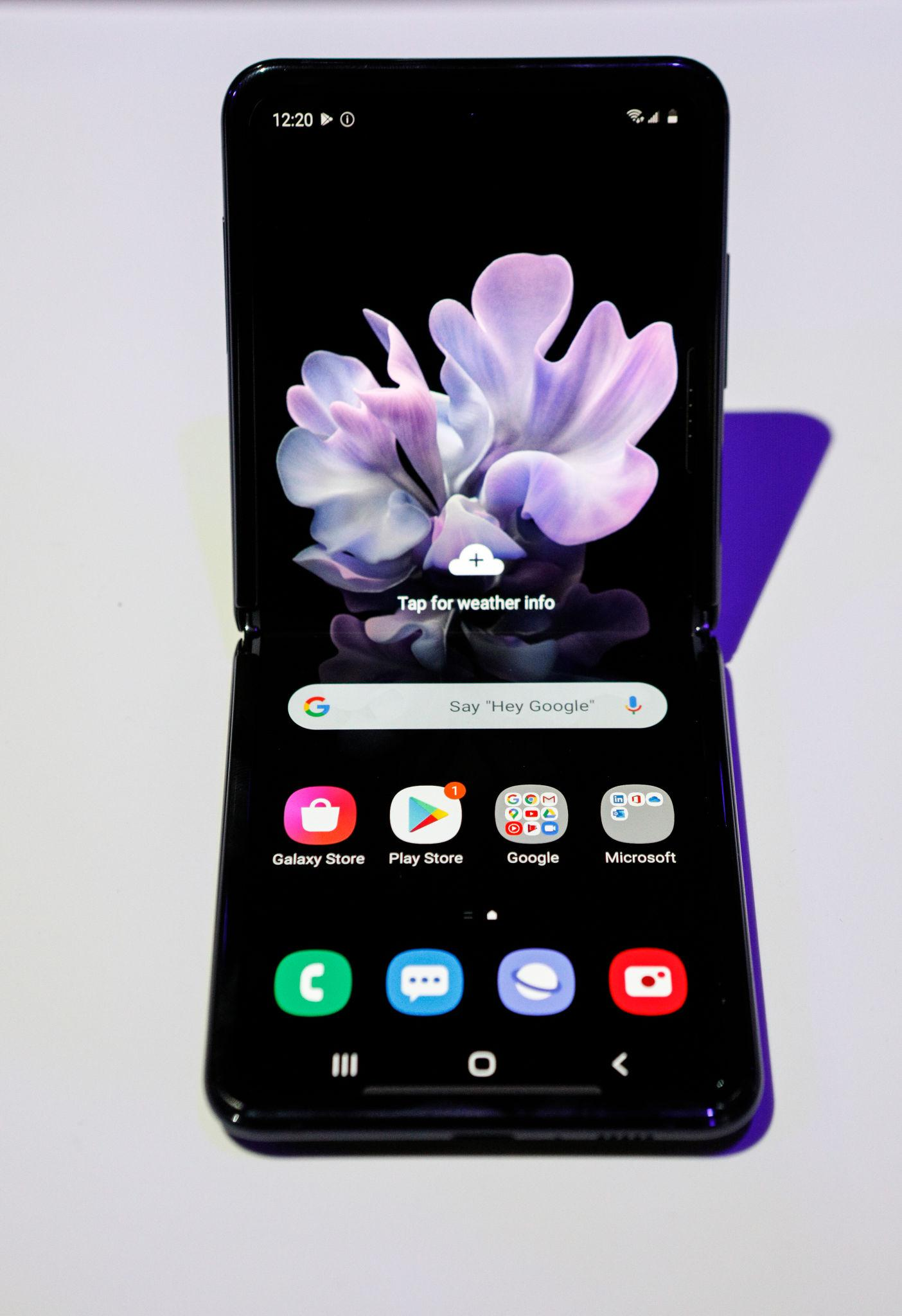
Samsung’s Next Foldables Could Launch a New Era of Android AI
Google’s ambitious push to transform Android into a deeply AI-driven operating system may arrive sooner than expected — and Samsung appears poised to take center stage once again.
Fresh reports suggest that Google’s newly announced “Gemini Intelligence” platform will make its commercial debut not on Pixel devices, but on Samsung’s upcoming Galaxy Z Fold 8 and Galaxy Z Flip 8 foldables. If accurate, the move would further cement Samsung’s increasingly strategic role as Google’s preferred launch partner for next-generation Android experiences.
The AI suite, unveiled alongside Android 17, represents Google’s latest effort to move beyond traditional smartphone assistants and toward what the company describes as a more proactive “intelligence system.” Instead of simply responding to commands, Gemini Intelligence is designed to anticipate tasks, automate workflows, and integrate deeply across apps and services.
And according to multiple reports, Samsung’s next foldable lineup could become the first real showcase for that vision.

Why Samsung May Get Gemini Intelligence First
Google initially confirmed that Gemini Intelligence would arrive on both Pixel 10 and Galaxy S26 devices “this summer.” However, new reports from Korea indicate the rollout timeline may begin earlier through Samsung’s foldable ecosystem.
The Galaxy Z Fold 8 and Galaxy Z Flip 8 are reportedly scheduled for unveiling during Samsung’s next Unpacked event, which is expected to take place on July 22. The devices are also rumored to debut with One UI 9, Samsung’s Android 17-based software update currently in beta testing.
That timing gives Samsung an opportunity to launch Gemini Intelligence weeks before Google’s next-generation Pixel lineup becomes widely available.
The strategy would not be unprecedented.
Over the past several years, Samsung and Google have strengthened their software partnership considerably. Samsung has repeatedly received early access to major Android innovations, allowing the company to market exclusive experiences before those same features eventually expand across the broader Android ecosystem.
One of the most notable examples was “Circle to Search,” which first appeared on Samsung’s Galaxy S24 series before rolling out to Pixel phones and later other Android devices.
The same pattern now appears to be emerging with Gemini Intelligence.
What Exactly Is Gemini Intelligence?
Gemini Intelligence is not just another chatbot feature layered onto Android. Google is positioning it as a foundational shift in how users interact with smartphones altogether.
Rather than forcing users to manually move between apps and menus, Gemini Intelligence aims to act as a contextual AI layer operating throughout the operating system.
The system combines generative AI, app integration, contextual awareness, and predictive automation into a unified experience designed to reduce friction in everyday tasks.
Several headline features have already been revealed.
Cross-App Automation Could Change Daily Smartphone Use
One of the most significant Gemini Intelligence capabilities involves app automation.
The AI system can reportedly access information across Google services and use it to complete tasks automatically. For example, Gemini could retrieve details from Gmail, schedule appointments, fill forms intelligently, or even add products into shopping carts across compatible applications.
This moves Android closer to becoming an AI-driven workflow assistant rather than simply an app launcher.
For users, the promise is convenience. Instead of opening multiple apps individually, the operating system itself becomes capable of coordinating actions behind the scenes.
That functionality could become particularly compelling on foldable devices, where multitasking and large-screen productivity already play a major role.
Gboard “Rambler” Wants to Fix Voice Typing
Another major Gemini Intelligence feature is “Rambler,” an AI-powered enhancement for Gboard voice typing.
The tool is designed to clean up speech in real time by removing filler words, stammers, hesitations, and verbal mistakes while preserving the original meaning of the speaker’s sentence.
In practical use, Rambler could significantly improve the quality of dictated messages, emails, notes, and documents without requiring manual editing afterward.
Google’s growing focus on AI-enhanced communication tools reflects a broader industry trend in which voice interaction is becoming increasingly central to smartphone usage.
“Create My Widget” Signals a New Direction for Android Personalization
Google is also introducing a feature called “Create My Widget,” which may represent one of the most user-friendly AI applications announced for Android so far.
The feature allows users to generate custom functional widgets for their home screens simply by describing what they want through text prompts.
Instead of manually configuring layouts or searching through widget menus, users could potentially type requests such as:
- “Create a travel dashboard widget”
- “Show weather and calendar together”
- “Track stock prices and reminders”
The AI would then generate an appropriate homescreen widget automatically.
If implemented successfully, the feature could dramatically simplify Android customization — an area traditionally associated with complexity and manual tweaking.
Samsung’s Foldables Are the Perfect Test Bed
There are strategic reasons why Samsung’s foldables may be the ideal launch platform for Gemini Intelligence.
Foldable phones already target premium users who are more likely to adopt experimental features and advanced productivity tools. Devices like the Galaxy Z Fold series emphasize multitasking, split-screen workflows, and app continuity — all areas where AI-driven assistance could provide meaningful advantages.
The larger displays also offer more room for AI-generated interfaces, contextual panels, and dynamic widgets.
Google itself has spent years optimizing Android for foldables, tablets, and multi-screen experiences. Launching Gemini Intelligence on Samsung’s premium foldables could therefore serve as a showcase for the future direction of Android itself.
It also benefits Samsung commercially.
Timed software exclusivity allows Samsung to market its devices as uniquely capable, even if the features eventually spread to the wider Android ecosystem. That temporary exclusivity can help drive premium device sales during critical launch windows.
One UI 9 and Android 17 Mark a Major Transition
Gemini Intelligence will reportedly arrive as part of Samsung’s One UI 9 software update based on Android 17.
Google has described Android 17 as the beginning of a transition toward a more intelligent operating system experience. Rather than focusing solely on interface design or performance upgrades, Android’s future appears increasingly centered on AI integration at the system level.
This aligns with broader shifts happening across the tech industry.
Apple, Microsoft, OpenAI, and Google are all racing to redefine how users interact with devices using generative AI. Smartphones are rapidly becoming the next major battleground in that competition.
Samsung’s role in the rollout suggests the company intends to remain one of Google’s most important strategic hardware allies as that transition accelerates.
The Bigger Battle: Samsung, Google, and the Future of Mobile AI
The upcoming foldables could represent more than just another annual smartphone refresh.
They may become the first major test of whether consumers actually want AI deeply integrated into everyday smartphone usage.
The stakes are enormous.
If Gemini Intelligence succeeds, it could fundamentally reshape how Android devices operate, moving users away from traditional app-centric interactions toward AI-mediated experiences.
That shift could redefine smartphone productivity, personalization, communication, and search behavior over the next several years.
For Samsung, launching these features first strengthens its position at the premium end of the Android market. For Google, it provides a massive global hardware platform capable of showcasing Android’s AI future at scale.
And for the broader Android ecosystem, the rollout could signal the start of a new competitive phase where AI capabilities become just as important as camera quality, battery life, or processing power.
What Happens Next?
All signs now point toward Samsung’s July Unpacked event becoming one of the most important Android launches of 2026.
Expected announcements include:
- Galaxy Z Fold 8
- Galaxy Z Flip 8
- One UI 9
- Android 17 integration
- Gemini Intelligence features
- Potential new Galaxy wearables and XR devices
While Google’s Pixel lineup will almost certainly receive the same features shortly afterward, Samsung may once again gain the advantage of being first.
That increasingly familiar pattern highlights how closely the two companies now collaborate — and how critical Samsung has become to Google’s long-term Android AI strategy.
Conclusion
Google’s Gemini Intelligence initiative could mark one of the biggest transformations in Android’s history, shifting smartphones toward proactive, AI-driven computing experiences.
If the latest reports are accurate, Samsung’s Galaxy Z Fold 8 and Galaxy Z Flip 8 will become the first devices to bring that vision into consumers’ hands.
The partnership benefits both companies: Samsung gains exclusive early access to cutting-edge Android features, while Google gets a powerful showcase platform for its next-generation AI ambitions.
More importantly, the launch could provide the clearest glimpse yet into the future of smartphones — one where AI operates not as a separate assistant, but as the intelligence layer powering the entire mobile experience.