

Erin Doherty and the Cultural Shockwave of Adolescence: Why the Actress Is Back in the Headlines
Erin Doherty is once again dominating entertainment headlines as Netflix’s Adolescence continues its extraordinary awards-season momentum, sparking conversations far beyond television drama. The actress, best known for emotionally intense performances and psychologically layered roles, has found herself at the center of one of the most talked-about television phenomena of the year.
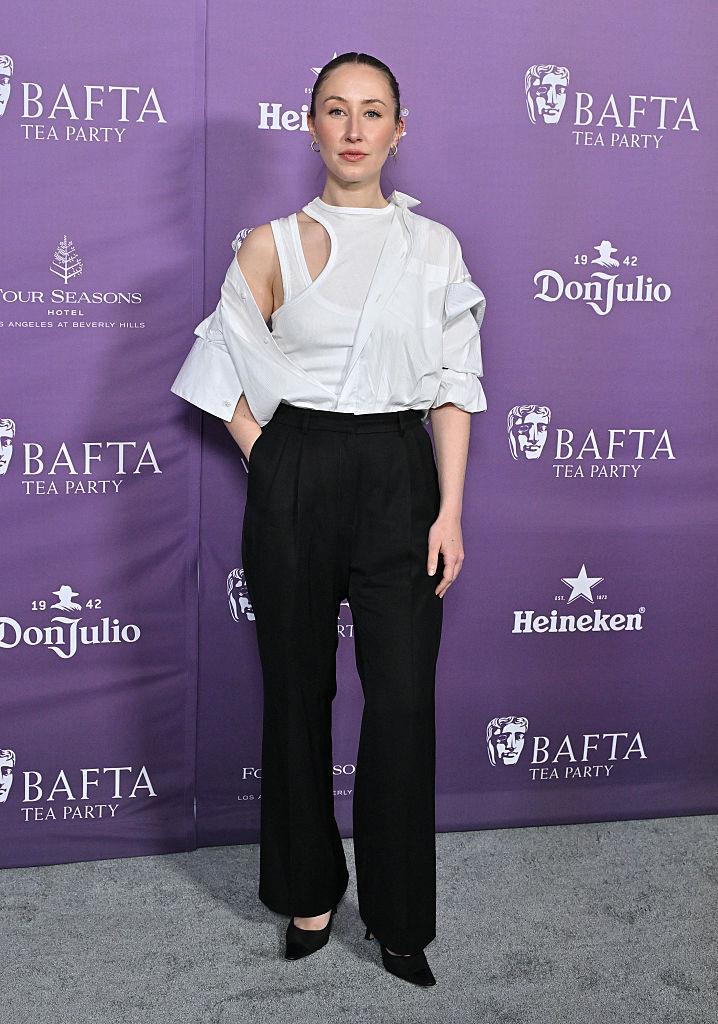
Following major victories at the 2026 BAFTA TV Awards, renewed debate over toxic masculinity, and growing speculation about the future of the hit Netflix series, Doherty’s role in Adolescence has become one of the defining performances connected to modern British television discourse.
The renewed attention comes after co-stars, creators, and industry insiders reflected on the show’s cultural impact during a landmark BAFTA evening that saw Adolescence sweep several of the night’s top categories.
Why Erin Doherty’s Performance Continues to Resonate
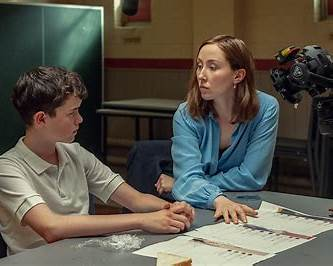
Although Adolescence centers on 13-year-old Jamie Miller — portrayed by breakout star Owen Cooper — Erin Doherty’s role as psychologist Briony Ariston became one of the drama’s emotional anchors.
One particular one-shot confrontation scene between Doherty and Cooper evolved into one of the most widely discussed television moments of the year. The scene was later nominated for “Most Memorable Moment” and became symbolic of the series’ raw emotional realism.
Cooper himself reflected on working with Doherty during the BAFTA winners’ press conference, describing the experience as transformative:
“I didn’t know any better. (She was the) first person I worked with so, I mean, it was a dream.”
He added:
“It was hard. I’m not going to say everything was easy. It was hard to do that and to do that in front of a stranger that I’ve never met. So it was difficult, but everyone around me got me there.”
The praise reinforced Doherty’s reputation as an actor capable of elevating emotionally difficult material while supporting younger performers in high-pressure productions.
Adolescence Becomes an Awards Juggernaut
At the 2026 BAFTA TV Awards, Adolescence cemented its place as one of Netflix’s most successful British dramas in recent memory.
The series won:
- Best Limited Drama
- Best Leading Actor for Stephen Graham
- Best Supporting Actress for Christine Tremarco
- Best Supporting Actor for Owen Cooper
The show had already collected major recognition throughout awards season before its BAFTA triumph.
Stephen Graham, who co-created and starred in the drama, described Cooper as a “once in a generational talent” while also emphasizing the show’s broader mission of telling socially urgent stories.
The cast’s success has indirectly amplified attention on Doherty, whose performance remains central to many discussions surrounding the show’s emotional intensity and psychological realism.
The Show That Sparked a National Debate
What separates Adolescence from many prestige dramas is the scale of the social debate it triggered.
The series explores toxic masculinity, online radicalization, and “incel” culture through the story of a teenage boy accused of murdering a female classmate.
The drama quickly evolved into more than entertainment. Politicians, educators, parents, and mental-health advocates began discussing the themes raised in the series, particularly the influence of online communities on young boys.
Ashley Walters, who portrayed DI Luke Bascombe, said the cultural reaction exceeded expectations:
“When you make TV you always want to create conversations and do something that moves people forward or creates that conversation that could move people forward. But the way this has done that has been… beyond our wildest dreams.”
Television personalities and commentators have also publicly urged people skeptical of the “manosphere” phenomenon to watch the show.
In many ways, Doherty’s role became crucial because her character functioned as the emotional and psychological counterweight to Jamie’s unraveling. Her scenes offered audiences a framework through which to understand the deeper emotional damage explored by the series.
Will There Be an Adolescence Season Two?
One of the biggest entertainment questions now surrounding Erin Doherty and the wider cast is whether Adolescence will return.
According to co-creator Jack Thorne, a direct continuation focused on the Miller family is unlikely.
He explained:
“Any attempt to go back into it would weaken the story we’ve told already.”
Thorne also shut down speculation about a potential spin-off focused on the so-called “femosphere,” a female-centered online subculture sometimes described as a reaction to the manosphere.
He stated:
“I don’t think I’m the right writer for that, for very crucial reasons. But I look forward to someone doing a show about it.”
However, speculation intensified after Stephen Graham appeared to accidentally hint that another project involving the creative team may already be in development.
During a BAFTA winners’ press conference, Graham teased:
“There’s something in development right now…”
Before his wife and producing partner Hannah Walters quickly interrupted:
“I mean no. No no no.”
The exchange immediately reignited online theories that Netflix or Plan B may already be exploring a spiritual successor or another socially focused drama featuring members of the original creative team.
Erin Doherty’s Career Enters a New Phase
For Erin Doherty, the success of Adolescence represents another major milestone in an already impressive acting career.
Previously acclaimed for performances in historical dramas and psychologically complex characters, Doherty has increasingly become associated with prestige television projects that combine emotional realism with social commentary.
Industry observers now view her as part of a new generation of British performers redefining dramatic television through nuanced and emotionally demanding roles.
The response to Adolescence also demonstrates how streaming-era television can create global conversations around difficult societal issues. The series reportedly became the second most-watched English-language drama globally on Netflix.
That scale of reach has elevated every principal cast member — including Doherty — into a much larger international spotlight.
Why the Conversation Around Adolescence Is Far From Over
Even with awards season winding down, Adolescence continues to generate debate online and within the entertainment industry.
The show’s themes remain deeply relevant amid ongoing concerns about social media radicalization, gender discourse, and youth mental health. Critics and supporters alike continue discussing whether the series accurately portrays modern online culture.
At the same time, the success of the drama has strengthened demand for socially conscious storytelling within mainstream streaming entertainment.
Stephen Graham summarized that mission during the BAFTAs when he said:
“We’ll keep shining the light on stories that need to be told.”
For Erin Doherty, that means her involvement in Adolescence is likely to remain a defining chapter in her career — not only because of awards recognition, but because the project became part of a much larger cultural conversation.
Conclusion
Erin Doherty’s latest wave of headlines reflects more than celebrity attention. It highlights the lasting impact of Adolescence, a series that transcended entertainment to become a major social talking point.
From emotionally devastating performances to heated debates about toxic masculinity and online culture, the Netflix drama has reshaped conversations around what modern television can accomplish.
With speculation growing over future collaborations from the creative team and audiences still discussing the series months later, Erin Doherty remains closely tied to one of the most culturally significant television stories of the year.


