Road Roller Accident in Puttur Raises Fresh Questions About Worker Safety
A Highway Construction Tragedy Shocks Karnataka
A tragic road roller accident near Gandhi Park in Uppinangady, Puttur, has once again drawn attention to safety conditions at large-scale infrastructure construction sites in India. The fatal incident occurred during ongoing service road work linked to a four-lane national highway project, where a labourer was reportedly crushed to death under a road roller on Friday, May 9, 2026.
- A Highway Construction Tragedy Shocks Karnataka
- The Accident Scene and Immediate Response
- Migrant Workers and Construction Site Risks
- Public Reaction and Emotional Response
- Similar Road Roller Accidents Raise Broader Concerns
- Infrastructure Growth Versus Human Safety
- Investigation Expected to Determine Liability
- A Stark Reminder for the Construction Industry
According to preliminary reports, the worker was allegedly lying by the roadside when the heavy construction machine ran over him. The impact was catastrophic, killing the worker instantly and severely crushing the body.
Authorities believe the victim was a migrant labourer from North India, though his identity had not been officially confirmed at the time of reporting. Police are expected to continue their investigation into the circumstances surrounding the incident.


The Accident Scene and Immediate Response
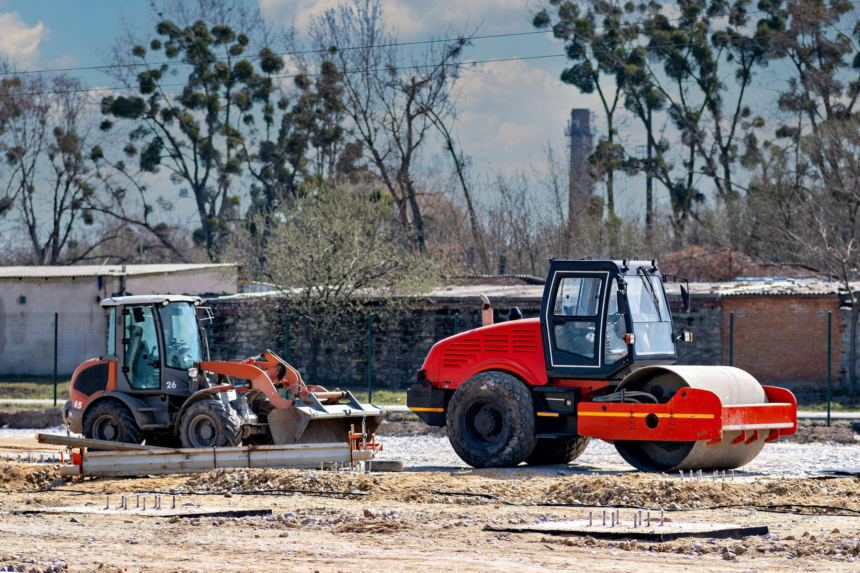
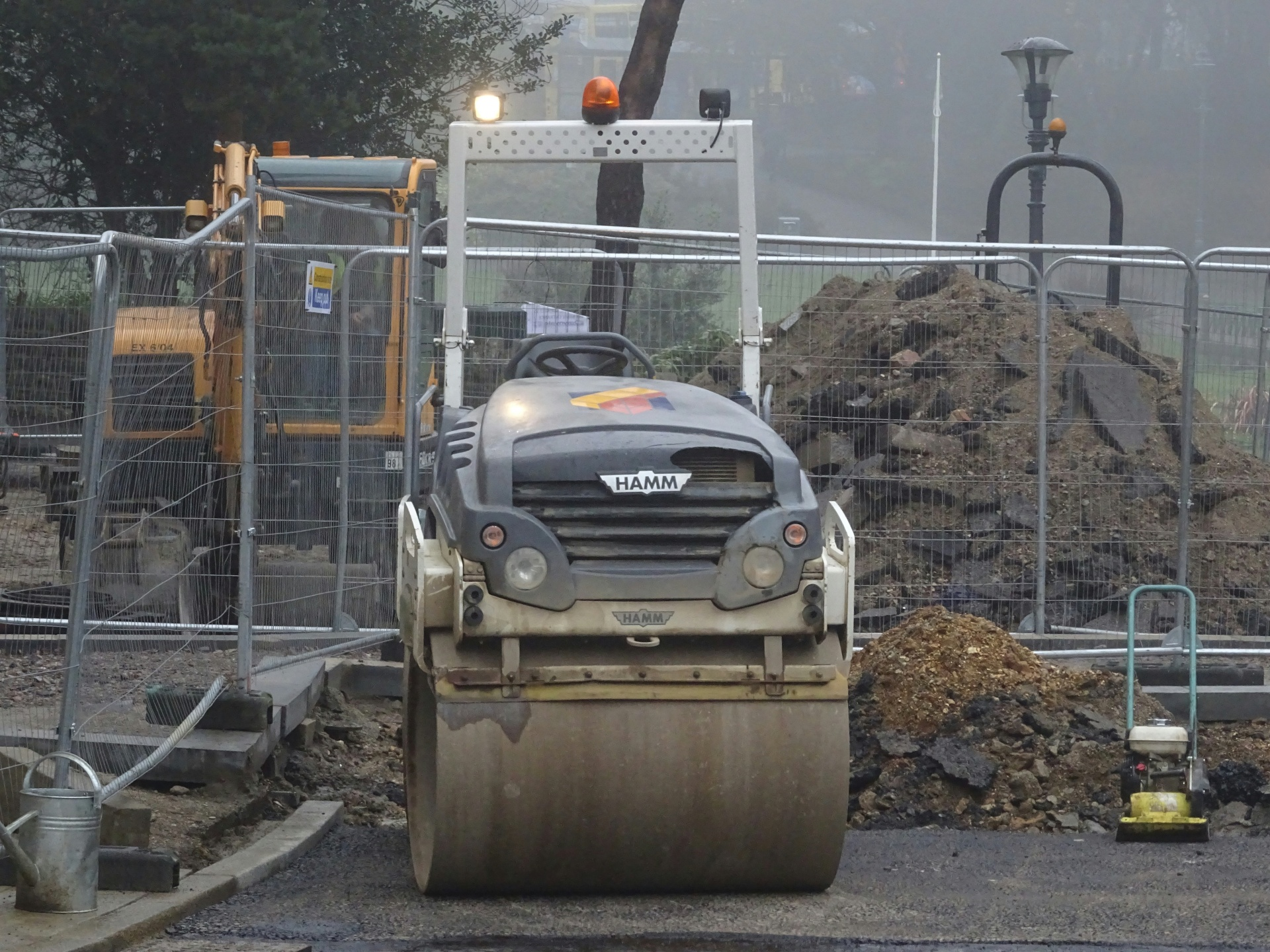
Witness accounts and initial reports suggest that construction activities were actively underway as part of the national highway expansion project in Uppinangady. Road rollers are commonly used in such projects to compact soil, asphalt, and other materials to prepare surfaces for traffic.
However, construction zones often become hazardous environments, particularly when heavy machinery operates in close proximity to workers.


In this case, sources indicated that the labourer was positioned near the roadside during operations. The road roller allegedly moved over him, leading to fatal injuries on the spot. Emergency assistance could not save the victim because of the severity of the injuries.
The police are now expected to examine several factors, including:
- Whether safety protocols were followed
- Visibility conditions at the construction site
- Communication between machinery operators and workers
- Worker rest and positioning during operations
- Supervision standards at the highway project
Migrant Workers and Construction Site Risks
The incident has also highlighted the vulnerability of migrant labourers employed on infrastructure projects across India.
Large highway developments frequently rely on workers who travel from distant states seeking employment opportunities. Many of these labourers work long hours under difficult conditions and often face language barriers, inadequate housing, limited training, and inconsistent workplace protections.


Construction remains one of the most dangerous employment sectors in India. Heavy equipment such as road rollers, excavators, cranes, and dump trucks present significant risks when safety enforcement is weak or when fatigue and communication failures occur.
Occupational safety experts have repeatedly emphasized that highway construction zones require:
- Clearly marked operational areas
- Dedicated machinery movement protocols
- Worker visibility equipment
- Mandatory rest zones away from equipment paths
- Spotters and supervisors guiding machine movement
- Regular safety drills and inspections
Public Reaction and Emotional Response
The accident triggered emotional reactions online and among local residents. One commenter responding to the incident wrote:
“The road roller operator must be held responsible….worst possible death a person can have…. may his soul rest in peace if not keep haunting the road roller operator for the rest of his life.”
The comment reflects the public anger and grief that frequently follow fatal industrial accidents, especially when questions remain about accountability and workplace oversight.
Similar Road Roller Accidents Raise Broader Concerns
The Puttur incident is not an isolated case. Similar road roller accidents have been reported in other parts of India in recent years, often involving construction workers, pedestrians, or motorists near active infrastructure projects.
Another recent case involved a man and his young daughter who reportedly came under a reversing road roller after their scooter slipped on an under-construction road in Bathinda. The father died from severe head injuries while the child sustained critical injuries. CCTV footage of that incident later circulated widely online, intensifying discussions around construction zone safety.
Such incidents reveal recurring safety gaps involving:
- Reversing heavy machinery
- Poor barricading around construction areas
- Inadequate warning systems
- Limited traffic diversion measures
- Lack of real-time supervision
Infrastructure Growth Versus Human Safety
India’s rapid infrastructure expansion has transformed transportation networks nationwide. Massive investments in highways, expressways, and urban development projects are generating economic opportunities and improving connectivity.
However, experts warn that the pace of construction must be matched by equally rigorous safety standards.
Road rollers are particularly dangerous because of their enormous weight, limited operator visibility, and slow but crushing movement. Operators often depend heavily on external signals and clear site management to prevent accidents.
In many construction environments, especially in rapidly developing regions, safety systems may not keep pace with project deadlines and operational pressures.
Labour rights advocates argue that contractors and project managers should be legally obligated to ensure:
- Comprehensive worker safety training
- Safe sleeping and resting arrangements
- Strict machinery operation boundaries
- Emergency response preparedness
- Regular audits by independent safety inspectors
Investigation Expected to Determine Liability
Police investigations into the Puttur accident are likely to focus on whether negligence contributed to the death.
Investigators may review:
- Machine operation procedures
- Worker placement at the site
- Contractor safety records
- Availability of warning systems
- Compliance with labour safety laws
If violations are discovered, authorities could pursue legal action against responsible parties, including contractors, supervisors, or machine operators.
For now, officials are still working to confirm the victim’s identity and notify family members.
A Stark Reminder for the Construction Industry
The fatal road roller accident in Puttur serves as another painful reminder of the risks faced daily by construction workers involved in India’s infrastructure boom.
As highway expansion projects continue across the country, the tragedy underscores the urgent need for stronger enforcement of workplace safety standards, improved worker protections, and stricter oversight of heavy machinery operations.
Beyond statistics and project deadlines, the incident reflects the human cost that can accompany rapid development when safety precautions fail.