

Roads Under Pressure: How Major Closures, Construction, and Safety Concerns Are Reshaping Communities
Roads are more than strips of asphalt connecting cities and towns. They are the lifelines of local economies, daily commutes, public safety systems, and community events. Across multiple regions in 2026, road infrastructure has become a central topic of public debate as governments launch major reconstruction projects, enforce new traffic regulations, and manage growing transportation demands.
From village road closures in England to billion-dollar infrastructure upgrades in Nigeria, and from construction-heavy traffic disruptions in the United States to speeding-related insurance disputes in South Africa, the modern road network is undergoing rapid transformation. These developments highlight a shared global challenge: balancing infrastructure improvement with economic activity, safety, and public convenience.
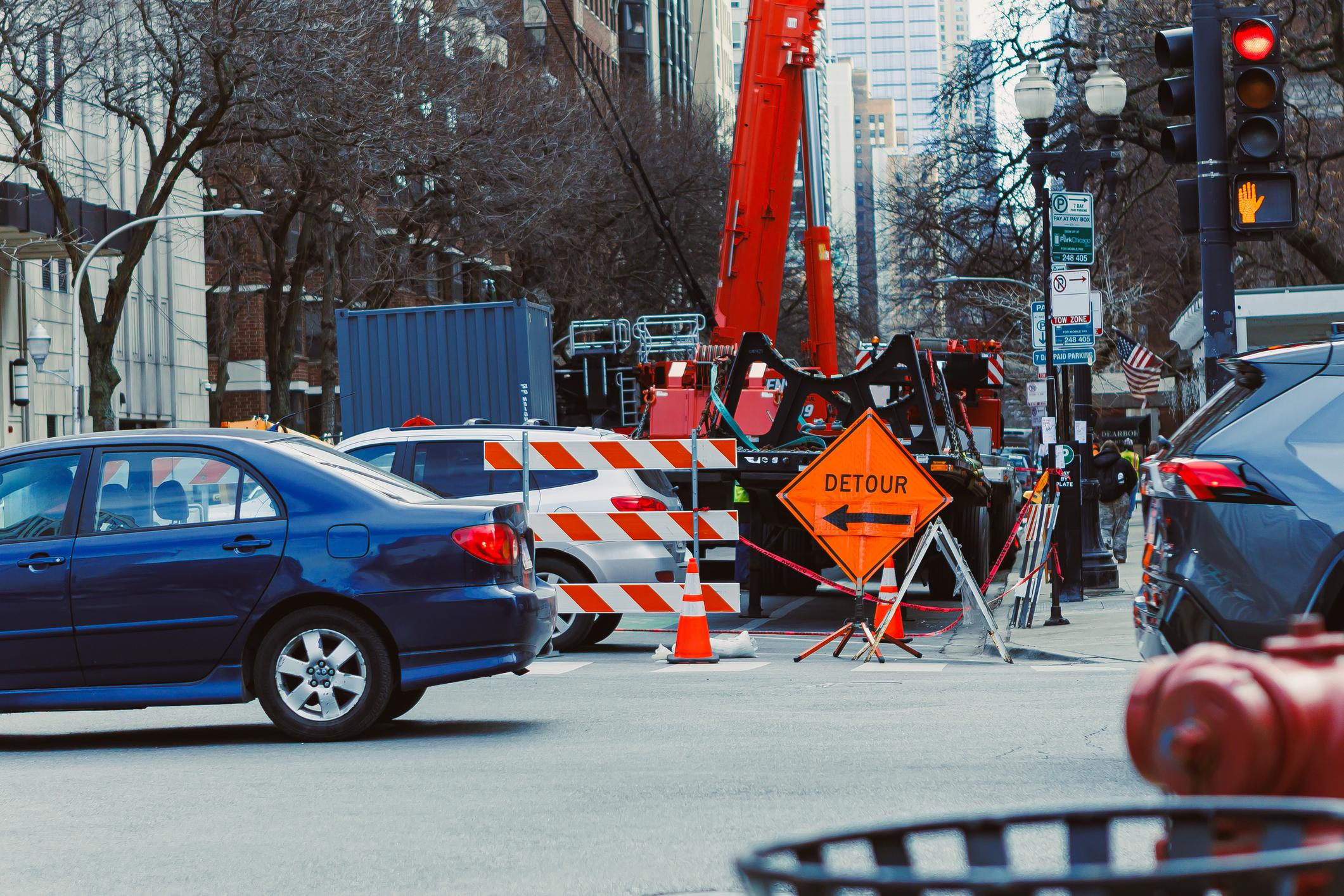
A Village Divided by a Road Closure
In Strumpshaw, a village in Norfolk, England, residents and business owners are facing frustration over a planned three-week closure of Norwich Road, the community’s main route. The shutdown, scheduled from May 21 to June 11, will allow CityFibre to carry out essential infrastructure works.
The timing, however, has caused outrage because it coincides with the annual Strumpshaw Steam and Vintage Gathering, one of the village’s largest public events.
The gathering attracts visitors for tractor runs, vintage machinery displays, steam engines, and community activities. Businesses heavily depend on the increased foot traffic generated during the event period.
Bob Cameron, landlord of The Shoulder Of Mutton pub, voiced strong concern over the closure’s economic impact.
“We are absolutely devastated by the timing of this closure.”
He added:
“It falls over one of the busiest weekends of our year, a time local businesses rely on to survive.”
The situation reflects a growing tension faced by many communities worldwide: infrastructure upgrades are necessary, but poor scheduling can disrupt tourism, local commerce, and public events.
Massive Infrastructure Expansion in Nigeria
While smaller communities struggle with temporary closures, Nigeria is pursuing one of its most ambitious road and rail infrastructure pushes in recent years. Across Kaduna, Kano, and Jigawa states, federal and state governments are investing heavily in highways, bypasses, rail corridors, bridges, drainage systems, and urban mobility projects.
The projects were showcased during a media tour organized by the Renewed Hope Ambassadors, a campaign group supporting President Bola Ahmed Tinubu.
Reinventing the Abuja–Kaduna Corridor
One of the most prominent projects is the Abuja–Kaduna expressway rehabilitation. Officials reported that more than 88 kilometers of the corridor have already been completed.
The road reconstruction introduces reinforced concrete pavement technology designed to withstand heavy traffic far better than conventional asphalt roads.
Resident Engineer Chukwuma Kalu explained that the new pavement system strengthens over time and offers greater durability for heavy-duty transport routes.
The project is seen as strategically important because the Abuja–Kaduna highway is one of Nigeria’s busiest economic corridors.
Tackling Urban Gridlock
In Kano State, authorities say a multibillion-naira flyover at Dan Agundi will eliminate more than 80 percent of traffic congestion in key parts of the city once completed.
Commissioner for Works Engineer Marwan Ahmed Aminu emphasized how infrastructure investment is boosting public confidence in governance.
“Since the people of Kano saw where their money is going, they no longer hesitate to pay tax.”
The statement underscores a broader trend in infrastructure politics: visible road improvements often translate into greater public support for government fiscal policies.
Rail Projects and Regional Integration
The Kaduna-Kano-Jigawa-Katsina-Maradi railway project represents another transformative development. Officials say the line has reached approximately 60 percent completion and is expected to improve trade and mobility between Nigeria and neighboring Niger Republic.
Large-scale road and rail investments are also tied to economic reforms implemented after the removal of fuel subsidies and foreign exchange controls. Government officials argue that these reforms freed up funding for infrastructure expansion.
America’s Roads Become Construction Zones
Across the United States, road infrastructure projects are also dominating headlines, especially in Ohio and South Dakota, where widespread construction activity is reshaping traffic patterns.
Ohio’s Extensive Traffic Overhaul
Ohio transportation authorities released a long list of closures, lane restrictions, bridge replacements, and resurfacing projects affecting multiple counties.
Among the most disruptive developments:
- Major traffic shifts on Interstate 75
- Ramp closures at Wagner-Ford Road and Dryden Road
- Ongoing lane restrictions on Interstate 70
- Long-term reconstruction projects expected to continue through 2026
- Multiple bridge rehabilitation initiatives
Transportation officials warned motorists to expect delays, detours, and changing traffic patterns for months.
The Ohio Department of Transportation also released alarming crash statistics showing an increase in serious pedestrian injuries and deaths in 2026 compared with the previous year.
Safer Streets Through Redesign
Several Dayton-area projects focus not only on road expansion but also on traffic calming and pedestrian safety.
Planned upgrades include:
- Dedicated bike lanes
- Multi-use pedestrian paths
- Reduced lane counts to slow traffic
- Improved street lighting
- Enhanced crosswalks
- Median safety islands
Urban planners increasingly favor “complete street” designs that prioritize pedestrians and cyclists alongside vehicles.
Sioux Falls Construction Projects
In South Dakota, Sioux Falls officials announced multiple construction projects scheduled to begin simultaneously in May 2026.
The city warned drivers to expect:
- Street closures
- Sidewalk detours
- Lane reductions
- Utility excavations
- Concrete repair work
Authorities repeatedly urged motorists to reduce speed near work zones and consider alternate routes.
The concentration of projects reflects the growing maintenance burden facing aging urban road systems across North America.
The Rising Cost of Speeding
While governments spend billions improving roads, safety experts continue warning that reckless driving remains one of the greatest threats to motorists.
In South Africa, insurance authorities are highlighting a little-known policy provision known as the “20km/h rule.”
The rule allows insurers to reject accident claims if drivers exceed the speed limit by more than 20 kilometers per hour.
How the Rule Works
According to Edite Teixeira-McKinon, Lead Ombud of the Non-life Insurance Division at the National Financial Ombud Scheme South Africa (NFO), many motorists fail to realize how insurers assess speeding-related accidents.
She explained that some policies contain strict exclusions that completely void coverage once a driver crosses the 20km/h threshold above the legal speed limit.
One cited case involved a driver traveling at 114km/h in a 60km/h zone. The insurer used vehicle tracking data to reject the claim successfully.
Teixeira-McKinon stressed that insurers only needed to prove:
- The official speed limit
- That the driver exceeded it by more than 20km/h
The ruling demonstrates how telematics and vehicle tracking technology are becoming increasingly important in accident investigations and insurance disputes.
Negligence Versus Recklessness
Another case reviewed by the ombud involved a driver accused of reckless behavior after crashing on a bend while allegedly avoiding a pothole.
An accident reconstruction expert determined the driver accelerated from 61km/h to 71km/h while navigating the curve.
However, the ombud ruled that speeding alone did not automatically constitute recklessness.
“Speed alone does not equate to recklessness,” Teixeira-McKinon said.
The insurer was ultimately advised to settle the claim.
The distinction between negligence and recklessness may become increasingly important as insurers rely more heavily on driving data and road analytics.
Roads as Economic Engines
Across all these cases, one theme remains consistent: roads are economic infrastructure.
In England, road closures threaten small-business survival during tourism events.
In Nigeria, highways and rail lines are expected to stimulate regional commerce, improve healthcare access, and strengthen agricultural supply chains.
In the United States, road upgrades aim to modernize transportation systems while improving safety and mobility.
In South Africa, road safety enforcement increasingly influences financial liability and insurance costs.
Road networks are no longer viewed simply as transportation routes. They are now deeply tied to:
- Economic productivity
- Urban planning
- Public safety
- Environmental goals
- Political credibility
- Community resilience
The Future of Roads
The future of road infrastructure appears likely to involve a combination of:
- Smart traffic systems
- Expanded public transport integration
- Safer pedestrian-focused street design
- Durable construction materials
- Real-time vehicle monitoring
- Increased automation in traffic enforcement
Governments around the world are also under growing pressure to make infrastructure projects more community-sensitive by minimizing disruptions to businesses and residents.
At the same time, rising urban populations and increasing vehicle ownership continue to strain existing road systems, creating urgent demand for modernization.
Whether in rural villages, African megacities, or American interstate corridors, roads remain one of the most visible indicators of how societies function and evolve.
Conclusion
Roads influence nearly every aspect of modern life, from economic growth and public transportation to local business survival and driver accountability.
The events unfolding across England, Nigeria, the United States, and South Africa reveal a global transportation system in transition. Governments are investing heavily in upgrades and expansion, but these efforts often come with temporary disruption, political scrutiny, and growing expectations around safety and efficiency.
As construction projects continue and road policies evolve, communities everywhere are being forced to rethink how transportation infrastructure should serve both economic development and everyday life.


