Wordle Answer Today: Why “UMBRA” Turned a Daily Puzzle Into a Lesson in Shadows
For millions of daily puzzle players, Wordle is more than a five-letter guessing game. It is a quick morning ritual, a vocabulary test, a social-media scoreboard and, every so often, a reminder that even a simple word can send players searching for meaning. Today’s Wordle answer for May 8, 2026, puzzle #1784, is UMBRA.
- Today’s Wordle Answer Revealed
- Why “UMBRA” Was a Tricky Solve
- The Meaning Behind Today’s Word
- How Players Could Have Reached the Answer
- A Quick Guide for Better Wordle Play
- Yesterday’s Wordle and Recent Answers
- Why Wordle Still Works
- The Cultural Appeal of a Five-Letter Challenge
- Conclusion: Today’s Wordle Was Short, Sharp and Surprisingly Educational
The word brought an astronomical twist to the daily challenge. Unlike familiar answers that emerge through common letter patterns, UMBRA tested players with a less everyday term, an unusual opening letter and a meaning tied to eclipses, shadows and scientific vocabulary. It has two vowels, no repeated letters, begins with U, and ends with A.
Today’s Wordle Answer Revealed
The answer to today’s Wordle is:


UMBRA
For players who were still working through the puzzle, the clues pointed steadily toward astronomy. Today’s answer is a five-letter word with no repeated letters. It contains two vowels, starts with U, and ends with A. The meaning clue was the strongest signal: the word refers to the darkest part of a shadow cast during an eclipse.


That final hint was crucial because UMBRA is not a word most people use in daily conversation. It is a noun associated with the darkest central part of a shadow, especially in the context of celestial bodies. One supplied definition states that NASA defines it as “the darkest, central part of a shadow cast by a celestial body, such as the moon or Earth, where light is completely blocked. In astronomy, it is the region of totality during a solar eclipse, while in physics, it represents a perfect shadow.”
Why “UMBRA” Was a Tricky Solve
Today’s puzzle was difficult not because the word was long or structurally complex, but because its letter pattern was unusual for many players. A word beginning with U can be hard to anticipate in Wordle, especially when solvers often begin with common opening words designed to expose letters such as A, E, R, S, T, L, or N.
The combination of M and B also added pressure. Those consonants are not typically the first letters players test unless earlier guesses force them into consideration. As one player-focused explanation noted, the answer was tough because of “the rarity of the M and B” and because it begins with U.
That is what made UMBRA feel different from recent answers such as BUDGE, LIKEN, LATCH, RISER, PUFFY, BRING, and PLUME. Many of those words are more familiar in everyday speech, while UMBRA belongs more naturally to science classrooms, eclipse explanations and technical descriptions of light and shadow.


The Meaning Behind Today’s Word
The appeal of UMBRA is that it turns a quick puzzle into a compact vocabulary lesson. In astronomy, the umbra is the fully dark part of a shadow. During a solar eclipse, it is the region where the sun is completely blocked. That distinguishes it from the penumbra, the lighter partial shadow surrounding the umbra.
The word also carries linguistic interest. The supplied material notes that umbra comes from Latin and literally means “shadow.” That root is connected to words such as umbrella, described as “little shadow,” and umbrage.
For Wordle, that kind of answer can be divisive. Some players enjoy the educational surprise. Others find it frustrating when a puzzle depends on a word they may recognize only indirectly, such as through penumbra or a related scientific term.
How Players Could Have Reached the Answer
A strong Wordle strategy often begins with broad coverage: multiple vowels, common consonants and no repeated letters in the first guess. For today’s puzzle, starting words such as AUDIO, HOUSE, or RAISE could help reveal the presence of U and A early.
Once those vowels appeared, the next step was disciplined elimination. Because today’s answer had no repeated letters, every confirmed miss mattered. Players who avoided duplicate-letter guesses and tested less common consonants had a better chance of reaching UMBRA before running out of attempts.
The real turning point, however, was thematic thinking. Once common words failed, the meaning clue pushed solvers toward scientific or nature-related vocabulary. That is where UMBRA rewarded players with astronomy knowledge or strong recall from eclipse discussions.
A Quick Guide for Better Wordle Play
Today’s puzzle reinforces several practical lessons for future Wordle games.
First, avoid becoming too attached to one expected word family. If the grid suggests an unusual pattern, players should move beyond common guesses and test letters that may feel less likely.
Second, use each guess to gather information, not simply to chase the answer. Wordle gives only six attempts, so every guess should either confirm placement, test useful letters or eliminate a meaningful set of options.
Third, remember that Wordle answers may include words outside casual speech. The supplied information notes that obscure or less common words appear regularly, and that even losses can expand vocabulary.
Finally, vowel tracking remains essential. Today’s answer had two vowels, U and A, and finding both early could dramatically narrow the field.
Yesterday’s Wordle and Recent Answers
For players tracking the archive, yesterday’s Wordle answer for May 7, puzzle #1783, was BUDGE. Recent answers also included LIKEN, LATCH, RISER, PUFFY, BRING, and PLUME.
That recent run shows the variety Wordle continues to rely on: everyday verbs, familiar nouns, repeated-letter traps and occasional vocabulary stretchers. UMBRA belongs firmly in the last category.
Why Wordle Still Works
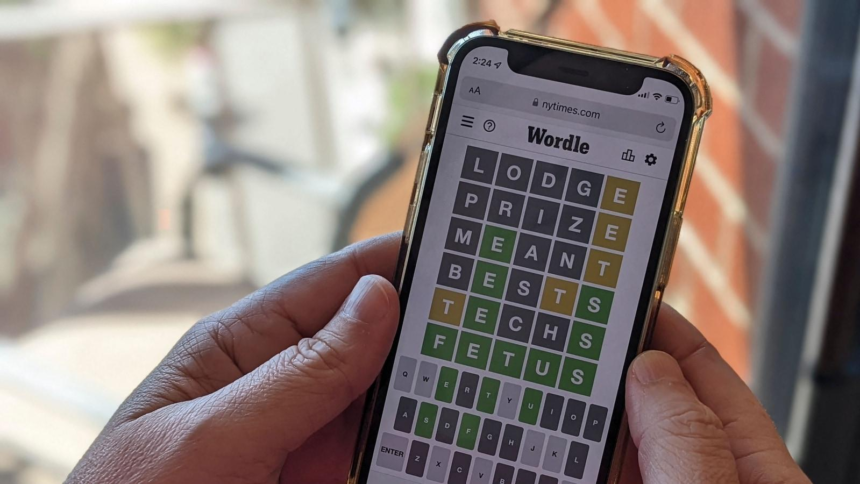
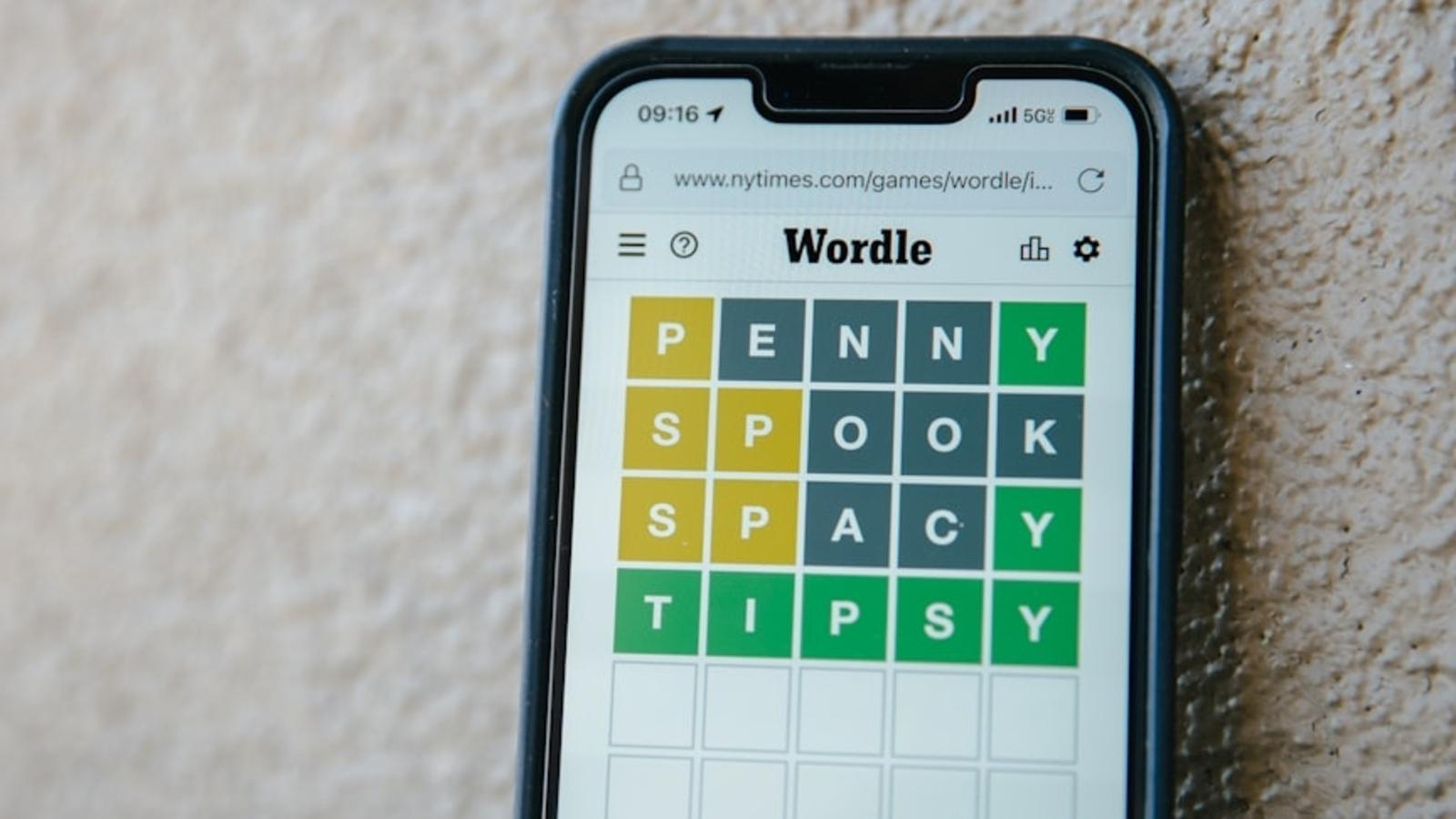
Wordle’s staying power comes from its simplicity. Players get six tries to identify one five-letter word. A green square confirms the right letter in the right position, a yellow square marks a correct letter in the wrong position, and a gray square eliminates a letter from the answer.
That structure is easy to understand but difficult to master consistently. It also gives players just enough shared experience to compare results without revealing the answer. A word like UMBRA adds another layer: it sparks discussion not only about strategy but also about meaning.
The game was created by Josh Wardle and later became part of The New York Times’ games portfolio. Its broader popularity has also helped fuel interest in other daily puzzles, including Connections, Mini Crossword, Strands and similar word-based challenges.
The Cultural Appeal of a Five-Letter Challenge
Wordle succeeds because it is brief, repeatable and communal. It fits into a morning routine, takes only a few minutes and produces a result that can be shared without spoiling the game for others.
Today’s answer shows why the format remains compelling. UMBRA was not simply a word to guess; it was a word that made many players think about eclipses, shadows, Latin roots and the boundaries of their own vocabulary. That educational aftertaste is part of Wordle’s charm.
Some players likely solved it quickly. Others may have lost their streak. But the puzzle delivered what Wordle does best: a small, shared intellectual challenge that turns five letters into a conversation.
Conclusion: Today’s Wordle Was Short, Sharp and Surprisingly Educational
Today’s Wordle answer, UMBRA, gave players a puzzle that was both compact and challenging. Its unusual starting letter, uncommon consonants and astronomy-based meaning made it more difficult than many everyday answers. At the same time, it offered the kind of discovery that keeps Wordle fresh: one word, one grid, and a new piece of vocabulary for anyone who played.
For daily solvers, the lesson is clear. Strong starter words matter, but flexibility matters more. When common patterns fail, Wordle often rewards curiosity — and today, that curiosity led straight into the shadow.