

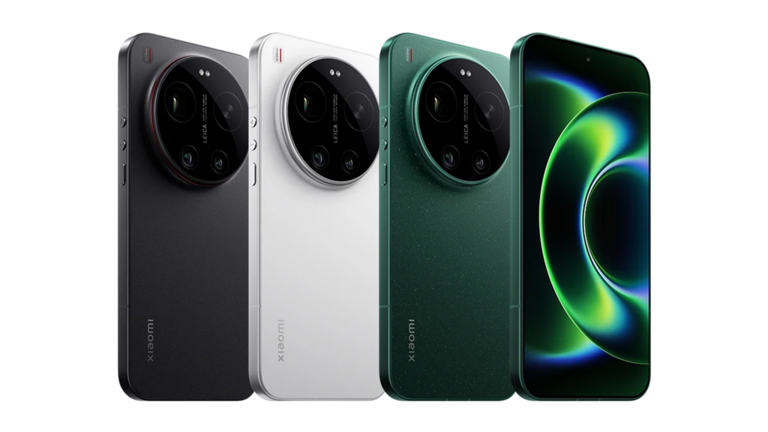
Xiaomi’s Xring O3 Could Turn the Xiaomi 18 Ultra Into a Bigger Statement Than Expected
Xiaomi’s next Ultra flagship may not be just another camera-focused premium smartphone. A new leak suggests that one variant of the Xiaomi 18 Ultra could use the Xring O3, Xiaomi’s upcoming in-house chipset, marking a potentially important step in the company’s long-term push to control more of the technology inside its top-tier devices.
The report points to a strategy that Xiaomi has already tested before: releasing a special version of an existing flagship powered not by Qualcomm silicon, but by its own chip. About a year ago, Xiaomi introduced the Xiaomi 15S Pro as its first smartphone powered by the in-house Xring O1, while the standard Xiaomi 15 Pro used the Snapdragon 8 Elite. Now, the company may be preparing a similar move with the Xiaomi 18 Ultra generation.
A China-First Ultra Variant Could Be in Development
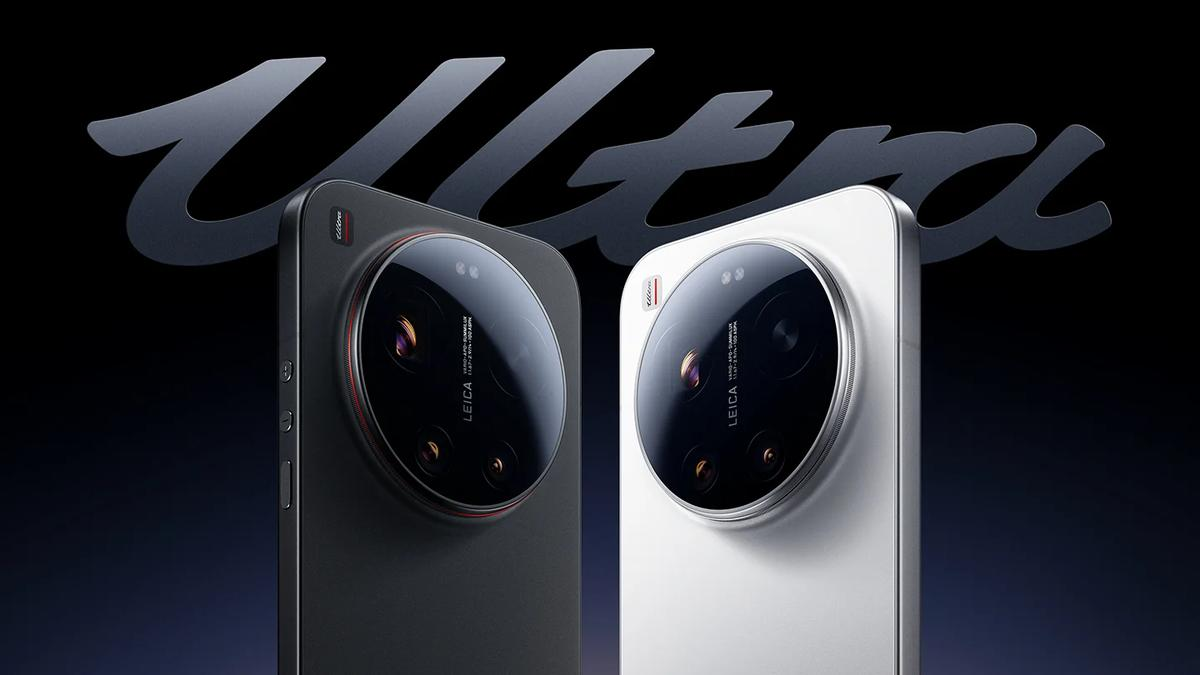
According to tipster Yogesh Brar, Xiaomi is said to be working on an Ultra-branded smartphone powered by the Xring O3 chipset. The device is reportedly being developed alongside the upcoming Xiaomi 18 Ultra, which is still expected later this year.
The most important detail is that this Xring-powered model may not be the standard Xiaomi 18 Ultra. Instead, it is described as a separate offering, raising questions about how Xiaomi plans to position the device within its premium lineup. It could be a special edition, a China-focused performance variant, or a broader testbed for the company’s second-generation flagship mobile silicon strategy.
For now, the Xring-based Ultra model is reportedly not planned for global release. The current expectation is that it may remain limited to China, at least initially.
Why the Xring O3 Matters
The Xring O3 appears to be more than a routine follow-up to the Xring O1. The chip, reportedly codenamed “Lhasa,” is said to bring a redesigned CPU layout and a faster GPU, suggesting Xiaomi may be trying to make its next in-house chipset more competitive in sustained performance, multitasking, and high-end mobile workloads.
The Xring O1 used a four-tier CPU structure made up of “prime,” “titanium,” “big,” and “little” clusters. The Xring O3, by contrast, is expected to remove the “big” tier and move toward a more simplified architecture. While the full core counts are not yet known, leaked details suggest that the new “prime” cores may reach up to 4.05GHz, crossing the 4GHz threshold.
That shift matters because flagship chips are increasingly judged not only by peak benchmark scores, but by how well they handle heat, background activity, AI features, camera processing, gaming, and long sessions of demanding use. A simpler CPU structure could help Xiaomi tune performance more precisely, especially if the chip is designed around its own software and hardware priorities.
The Reported Xring O3 Specifications
Based on the information currently circulating, the Xring O3 may introduce several notable changes compared with the Xring O1:
| Component | Xring O1 | Reported Xring O3 |
|---|---|---|
| Prime cores | 2x Cortex-X925 at 3.89GHz | Up to 4.05GHz |
| Titanium cores | 2x Cortex-A725 at 3.39GHz | Around 3.43GHz |
| Big cores | 4x Cortex-A725 at 1.89GHz | Removed |
| Little cores | 2x Cortex-A520 at 1.79GHz | Up to 3.02GHz |
| GPU | Immortalis-G925 MP16 at 1.2GHz | Around 1.5GHz |
| Memory speed | 9,600MT/s | 9,600MT/s |
The GPU increase is especially notable. Moving from 1.2GHz to around 1.5GHz would represent a 25% clock-speed increase, although real-world graphics performance would depend on the final GPU design, thermal limits, drivers, and software optimization.
The RAM speed, however, is expected to remain unchanged at 9,600MT/s. That suggests the Xring O3’s gains may come mainly from CPU restructuring, GPU frequency improvements, and system-level tuning rather than a major memory bandwidth change.
Xiaomi’s Silicon Strategy Is Becoming More Serious
The first Xring O1 was not widely used across Xiaomi’s portfolio. It appeared in the Xiaomi 15S Pro and two tablets: the Xiaomi Pad 7 Ultra and Xiaomi Pad 7S Pro 12.5.
That limited rollout made sense. A company building its own high-end smartphone chipset needs time to test performance, thermals, supply chain reliability, modem behavior, camera integration, battery efficiency, and software compatibility. By introducing the Xring O1 in a controlled number of devices, Xiaomi could evaluate the chip without risking its entire flagship lineup.
The Xring O3 could signal a more ambitious phase. If it appears in a foldable and an Ultra-branded flagship variant, Xiaomi would be placing its own silicon in two of the most technically demanding smartphone categories: premium foldables and camera-first Ultra devices.
The Xiaomi Mix Fold 5 Could Arrive First
The Xring O3 may not debut with the Xiaomi 18 Ultra variant. Another leak has suggested that the chip could first appear in the Xiaomi Mix Fold 5, which is expected to debut in August.
That would be a logical testing ground. Foldables are high-end devices with large displays, heavy multitasking demands, and complex thermal constraints. If Xiaomi can make the Xring O3 work well in a foldable, that would strengthen the case for using the same chip in a future Ultra-branded flagship.
The reported Xiaomi 18 Ultra timing also fits this pattern. Brar’s leak suggests the next-generation Ultra should arrive in December, giving Xiaomi room to introduce the chip earlier in another device before expanding it to an Ultra model.
Why an Ultra Phone Is the Right Showcase
Ultra-branded Xiaomi phones are not ordinary flagships. They typically represent the company’s most aggressive camera, display, performance, and design ambitions. If Xiaomi chooses to put the Xring O3 in an Ultra variant, the decision would carry symbolic weight.
A camera-focused flagship depends heavily on chipset-level image processing. Modern smartphone photography is shaped by the ISP, AI processing, burst capture, video stabilization, HDR pipelines, power management, and thermal behavior under sustained camera use. An in-house chip could eventually give Xiaomi more control over these areas.
That does not mean the Xring O3 will automatically outperform Qualcomm’s flagship platforms. But it does mean Xiaomi may be trying to reduce reliance on external chip suppliers in areas where vertical integration can improve product differentiation.
The China-Only Strategy Makes Sense—for Now
A China-exclusive launch would not be surprising. The earlier Xiaomi 15S Pro also served as a controlled showcase for Xiaomi’s custom silicon strategy, rather than a global mass-market rollout.
Keeping the Xring O3 Ultra variant in China would allow Xiaomi to manage supply, software support, carrier compatibility, user feedback, and after-sales expectations more carefully. It would also let the company test domestic reception before deciding whether future Xring-powered flagships should expand internationally.
For global buyers, this likely means the mainstream Xiaomi 18 Ultra—if released globally—may still rely on a Snapdragon platform. The Xring O3 version, at least according to the current leak, appears to be a separate China-focused model rather than the default global configuration.
What Remains Unclear
Several key details are still unknown. Xiaomi has not officially confirmed the Xring O3, the Xiaomi 18 Ultra variant, the Xiaomi Mix Fold 5 launch plan, or the final CPU and GPU configuration.
The leaked Xring O3 details also do not yet include confirmed core counts for the new CPU layout. The GPU architecture is still unknown, although speculation points toward a newer ARM Mali design. Without official specifications or real-world testing, it is too early to judge whether the Xring O3 will rival the best chips from Qualcomm, MediaTek, Apple, or Samsung.
The positioning of the rumored Ultra model is also unresolved. It could be a Xiaomi 18 Ultra variant, a separate Ultra-branded device, or a China-only special edition meant to showcase the company’s chip roadmap.
What This Could Mean for Xiaomi’s Future
If the leak proves accurate, Xiaomi’s use of the Xring O3 in an Ultra-class phone would be one of its strongest signals yet that it wants to move deeper into custom silicon. That would place Xiaomi on a path followed by companies that see chip design as a way to improve product control, reduce supplier dependence, and create tighter integration between hardware and software.
For consumers, the immediate impact may be limited if the Xring O3 model stays in China. But for the smartphone industry, the move would be more meaningful. It would show that Xiaomi is not treating the Xring project as a one-off experiment. Instead, the company may be preparing to bring its in-house chipset strategy into more premium devices.
Conclusion: A Flagship Leak With Bigger Implications
The rumored Xiaomi 18 Ultra variant powered by the Xring O3 is important not only because it could add another model to Xiaomi’s flagship lineup, but because it may reveal the direction of Xiaomi’s long-term hardware strategy.
The company has already tested the waters with the Xring O1 in the Xiaomi 15S Pro. Now, the Xring O3 appears to be shaping up as a more ambitious successor, with a simplified CPU structure, higher clock speeds, a faster GPU, and possible deployment in both a foldable and an Ultra-branded flagship.
For now, the device remains unconfirmed and may be limited to China. But if Xiaomi does bring the Xring O3 into an Ultra-class phone, it would mark a significant step toward a future where the company’s most premium devices are defined not only by Leica-branded cameras and high-end displays, but also by Xiaomi’s own silicon.


