

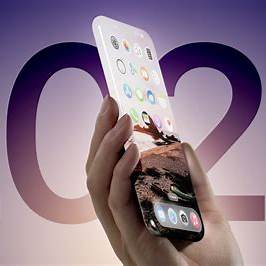
20th Anniversary iPhone Could Mark Apple’s Next Big Hardware Reset
Apple’s 20th anniversary iPhone is already shaping up as one of the company’s most closely watched future products, even though its expected launch is still roughly a year away. According to a new rumor attributed to Chinese tipster Instant Digital, Apple is testing solid-state buttons for the anniversary model, a change that could help the device move closer to the seamless, all-glass design long associated with Apple’s most ambitious iPhone concepts.
The claim matters because solid-state buttons are not just a cosmetic tweak. They would replace traditional moving buttons with pressure-sensitive controls that simulate a click using haptic feedback. In practice, that could make the next major iPhone redesign feel less like an incremental upgrade and more like a deliberate break from the hardware language Apple has used for years.
A Rumor With a Long History
This is not the first time solid-state buttons have been linked to the iPhone. Apple was previously rumored to be preparing the technology for the iPhone 15 Pro series, but that plan did not reach commercial release. The idea now appears to be back in discussion for the company’s 20th anniversary model, which is expected to arrive in 2027.
The new report suggests Apple has already tested the buttons across demanding real-world conditions, including use with gloves, wet hands, extreme temperatures, and other challenging scenarios. That detail is important because solid-state controls must solve a basic usability problem: they need to feel reliable even when the user cannot interact with the phone in ideal conditions.
How Solid-State Buttons Would Work
Solid-state buttons do not physically travel inward like conventional volume or power buttons. Instead, they detect pressure and use vibration feedback to mimic a click. Apple has already used similar interaction principles before, most notably with haptic systems that make non-moving surfaces feel responsive.
According to the rumor, the 20th anniversary iPhone’s buttons would be powered by a dedicated low-power chip. That chip would reportedly allow the phone to recognize presses and deliver haptic feedback even when the device is completely switched off. If accurate, that would address one of the major design challenges of replacing mechanical buttons: keeping core controls available even when the operating system is not actively running.
A Quad-Curved Screen and an All-Glass Direction
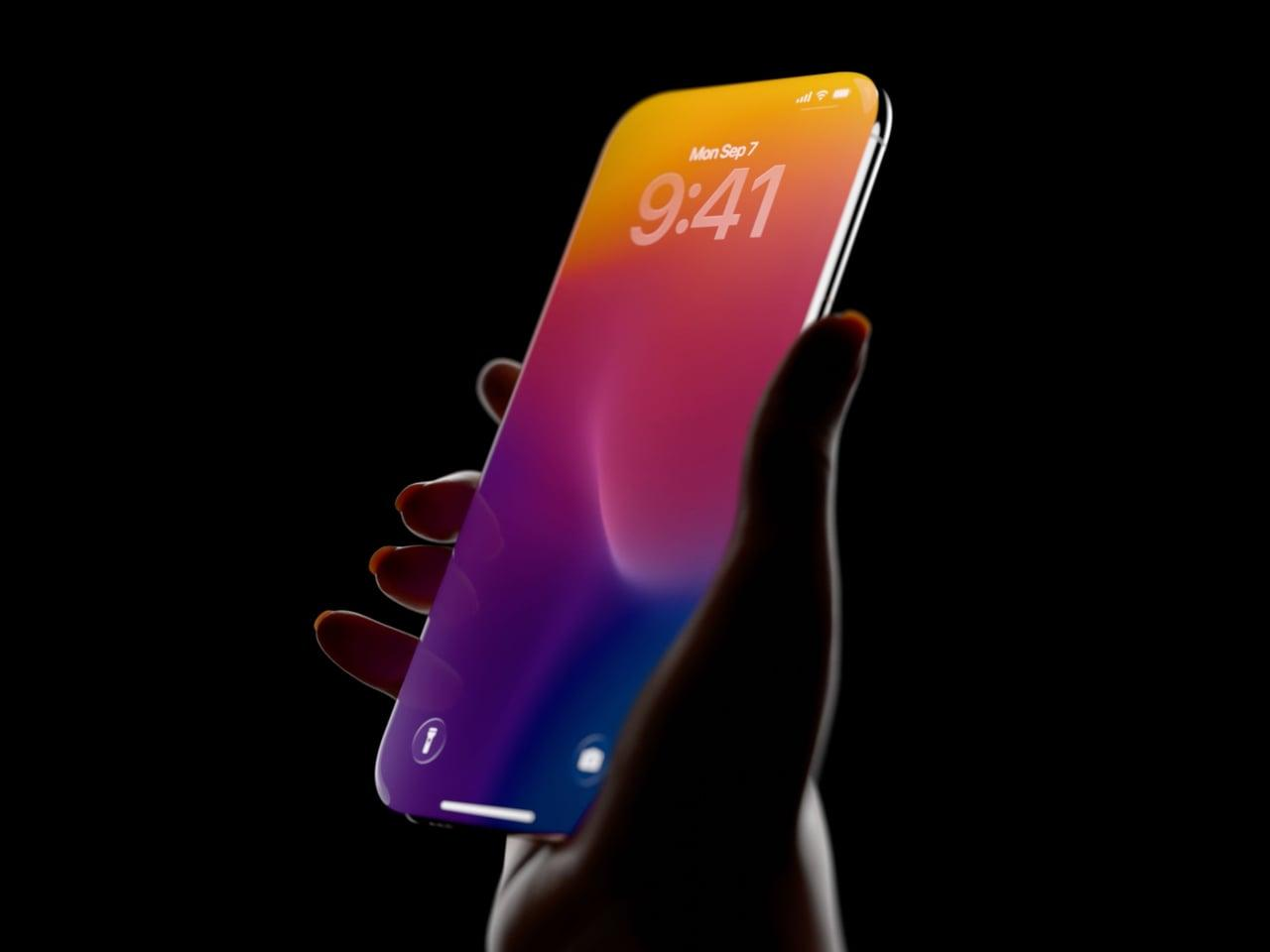
The solid-state button rumor fits into a broader picture of a more radical anniversary iPhone design. Apple is expected to launch a special model with a quad-curved screen that blends into the sides of the device. The reported aim is a cleaner, more continuous form factor, where the display, frame, and controls feel less mechanically separated.
This is where solid-state buttons become more than a component change. Traditional buttons interrupt the side profile of a phone. Removing moving parts could help Apple create a smoother exterior, especially if the device leans heavily into glass and curved edges.
The report also says the device could include next-generation Ceramic Shield protection on the display and sides, with improved scratch resistance. That would be a practical necessity for a phone expected to use more exposed glass across its body.
Under-Display Face ID, Selfie Camera, and Sound
The rumored anniversary iPhone is also said to bring under-display Face ID and an under-display selfie camera, both placed inside a dual-layer OLED display, also known as tandem OLED. Apple already introduced tandem OLED technology in the 2024 iPad Pro series, making the display claim notable because it points to a possible trickle-down of premium screen architecture into the iPhone lineup.
If Apple hides Face ID and the front camera beneath the display, the result could be a cleaner front panel with fewer visible interruptions. However, under-display cameras remain technically difficult because image quality can suffer when light has to pass through screen layers before reaching the sensor.
The report also claims the phone may remove the physical earpiece and use “under-display sound” instead. The concept is not entirely unfamiliar in the smartphone industry; previous devices such as the Pixel 5 and LG G8 used display-based or under-display audio approaches. Still, for Apple, eliminating the physical earpiece gap would be a major visual and engineering shift.
Battery and Reverse Wireless Charging Could Add Practical Appeal
Beyond the design changes, the next-generation anniversary iPhone is rumored to include a 6,000mAh battery and reverse wireless charging. That battery figure would be unusually large by iPhone standards and would suggest Apple is preparing the device not only as a design showcase, but also as a more capable power platform.
Reverse wireless charging would allow the iPhone to provide power to compatible accessories or devices. While the report does not specify supported products or charging speeds, the feature would align with a broader ecosystem approach, especially for users carrying wireless earbuds, watches, or other accessories.
Why This Anniversary Model Matters
The iPhone’s 20th anniversary carries symbolic weight. The original iPhone was introduced in January 2007, and Apple is expected to celebrate two decades of the product line in 2027. That makes the anniversary model a natural candidate for a more dramatic redesign rather than a routine annual refresh.
A phone with solid-state buttons, under-display biometric hardware, tandem OLED, under-display sound, a quad-curved screen, stronger glass protection, and a larger battery would represent a coordinated attempt to rethink the iPhone as a more seamless object. The central design goal appears clear: reduce visible interruptions and make the device feel closer to a single continuous surface.
The Big Caveat: This Is Still a Rumor
Apple has not confirmed the 20th anniversary iPhone, the solid-state buttons, the battery capacity, the display technology, or any of the other reported features. Because the device is still expected in 2027, some details could change before launch. Rumored Apple hardware features often pass through testing but do not always reach final production.
That caution is especially relevant for solid-state buttons. Apple has reportedly explored the idea before, and the fact that it did not appear on the iPhone 15 Pro series shows how difficult the transition can be. A buttonless or near-buttonless phone must satisfy durability, accessibility, repairability, case compatibility, and emergency-use requirements before it can replace mechanical controls.
A Glimpse at the iPhone’s Next Era
If the report proves accurate, the 20th anniversary iPhone could be one of Apple’s most important hardware redesigns in years. Solid-state buttons would not be the only headline feature, but they could become a defining symbol of the device’s larger direction: fewer moving parts, fewer visible gaps, and a more immersive all-glass appearance.
For Apple, the challenge will be turning that futuristic vision into something that feels dependable in everyday life. For users, the question will be whether a more seamless iPhone is also a more practical one. Either way, the rumor points to a possible anniversary model designed not simply to celebrate the iPhone’s past, but to signal what Apple wants the next decade of smartphones to look and feel like.


