

Samsung’s One UI 9 Leak Points to a Wider Foldable Future
Samsung’s next foldable phones may have revealed themselves before the company had a chance to make a formal announcement. Visual previews found inside a One UI 9 build appear to show two upcoming book-style foldables: the Galaxy Z Fold8 and a wider model referred to as the Galaxy Wide Fold.
The discovery is significant not simply because it gives an early look at Samsung’s hardware plans, but because it suggests the company may be preparing to split its foldable strategy into two distinct directions. One device appears to preserve the familiar Galaxy Z Fold formula. The other seems designed to answer one of the longest-running complaints about Samsung’s foldables: the narrow outer screen.
A Leak Hidden Inside Samsung’s Own Software
The latest details come from images discovered inside a One UI 9 build, reportedly by Android Authority. These previews show two devices identified by their internal codenames: Galaxy Z Fold8, codenamed Q8, and Galaxy Wide Fold, codenamed H8.
For Samsung, software-based leaks are especially interesting because they often point to devices already being prepared for system-level support. One UI needs device assets for setup screens, tutorials, animations, and interface guidance. When unreleased hardware appears inside that software, it can offer a rare glimpse of what Samsung is testing behind the scenes.
Samsung has not officially confirmed the Galaxy Z Fold8 or Galaxy Wide Fold lineup, so the details should still be treated as rumoured. However, the images reportedly match earlier leaked renders, strengthening the case that Samsung is preparing more than one book-style foldable for its next launch cycle.
Galaxy Wide Fold: Samsung’s Answer to the Narrow Cover Screen?
The most eye-catching device in the leak is the Galaxy Wide Fold. Unlike the standard Z Fold design, which has traditionally used a tall and narrow cover display, the Wide Fold appears shorter and horizontally roomier.
That matters because Samsung’s foldables have often been praised for productivity but criticised for their outer-screen ergonomics. A narrow cover screen can make typing, reading, and using regular phone apps feel cramped. The Wide Fold appears to move closer to a more conventional smartphone shape when closed, while still opening into a tablet-like inner display.
According to the provided report, the Galaxy Wide Fold has a “short and horizontally spacious cover screen” with a punch-hole cutout that is rumoured to be smaller than on previous Samsung foldables. The rear design shows dual cameras placed inside a vertical camera island.
The reported dimensions are also notable. The Galaxy Wide Fold is said to measure 123.9 x 164.4 x 4.3 mm when unfolded and 123.9 x 82.2 x 9.8 mm when folded. Those numbers point to a device built around width rather than height. Speculation also points to a 4.7:3 aspect ratio for the outer screen, while the inner display is expected to use a 4:3 format.
That 4:3 inner screen could make the Wide Fold feel less like a stretched phone and more like a compact tablet. For browsing, document editing, reading, split-screen multitasking, and media controls, a squarer canvas can be more practical than a very tall panel.
Galaxy Z Fold8: Familiar Shape, Familiar Strategy
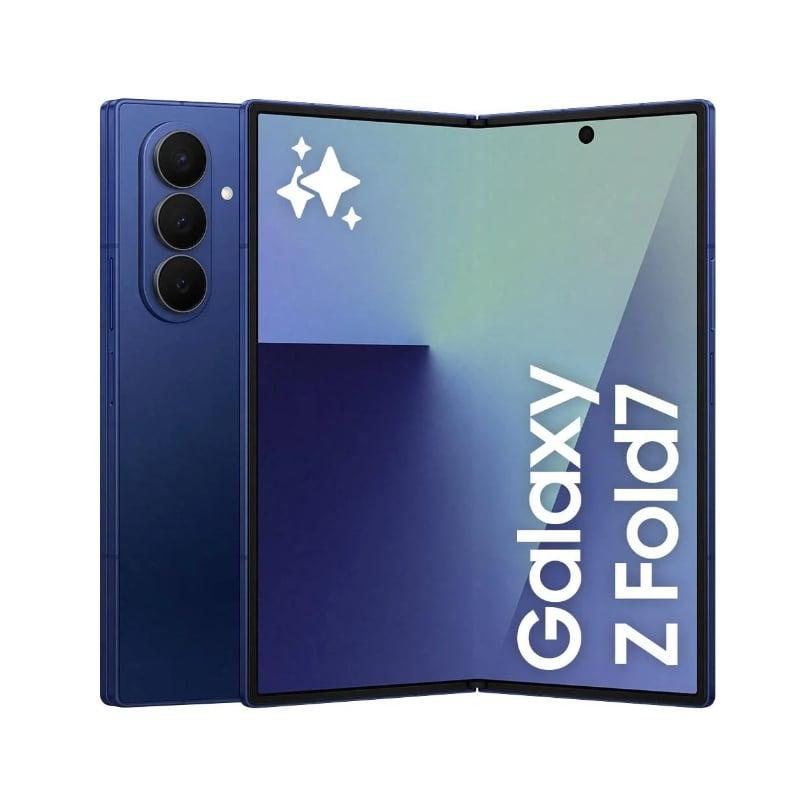
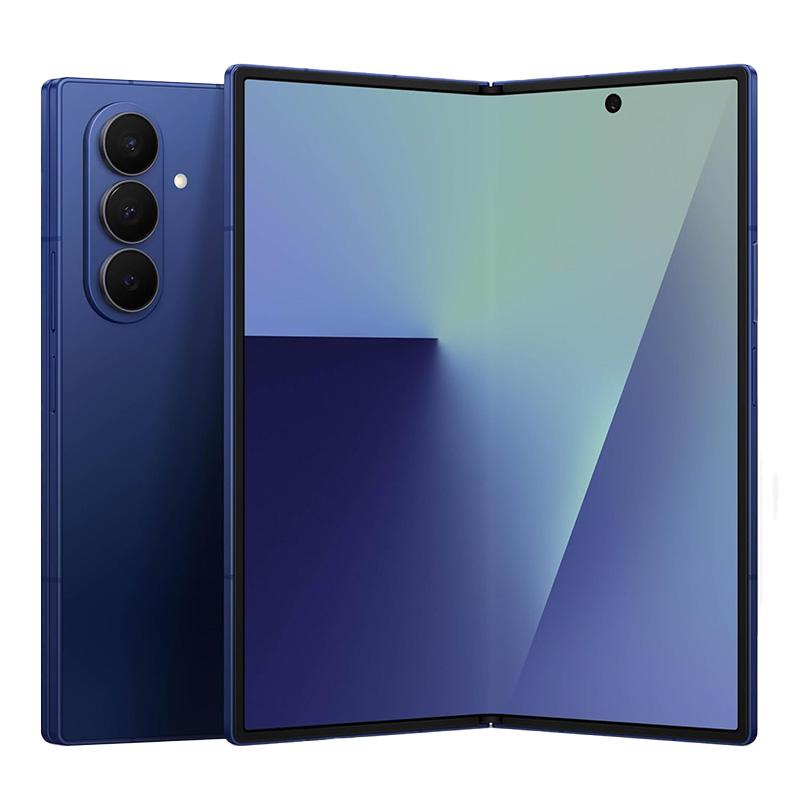
The Galaxy Z Fold8, by contrast, appears to stay close to the design language of its predecessor. The leaked preview shows a tall and narrow cover display, along with a triple-camera setup on the rear.
That does not necessarily mean the Z Fold8 will be a minor update overall. The provided information focuses mainly on the design visible in One UI 9, not internal specifications or performance upgrades. But visually, the standard Fold line appears to remain Samsung’s continuity model: a device for users who already like the existing book-style Z Fold shape and want a refined version rather than a dramatic redesign.
This approach would make sense for Samsung. The Galaxy Z Fold line is now a mature product family, and drastic yearly design changes can risk alienating existing users. A wider foldable variant allows Samsung to experiment with a different form factor without abandoning the standard Fold identity.
Why the Wide Fold Could Be the Bigger Story
The Galaxy Wide Fold may be more than just a second model. It could mark a strategic adjustment in Samsung’s foldable portfolio.
For years, Samsung has effectively defined the mainstream foldable category. Its Z Fold devices helped normalize the idea of a phone that opens into a larger screen, while the Z Flip line brought foldables to a more compact and fashion-oriented audience. But the foldable market has become more competitive, with rival brands experimenting with thinner bodies, wider screens, different hinge designs, and more tablet-like proportions.
A wider Galaxy Fold would allow Samsung to address that pressure directly. It could appeal to users who like the concept of a foldable but dislike the narrow front display of the standard Fold. It may also help Samsung position one foldable as a productivity-first premium device and another as a more conventional phone-tablet hybrid.
The dual-camera setup on the Wide Fold is worth watching. Samsung’s standard Fold models usually emphasize flagship flexibility, and the Z Fold8 preview reportedly shows three rear cameras. If the Wide Fold ships with two rear cameras, Samsung may be prioritizing form factor, thinness, or internal space over maximum camera hardware.
One UI 9 as a Clue to Samsung’s Foldable Ambitions
The appearance of these device previews inside One UI 9 also highlights the growing importance of software in foldable design. Foldables are not only hardware products; they depend heavily on interface scaling, app continuity, split-screen support, and adaptive layouts.
A wider cover screen and a 4:3 inner screen would require Samsung to tune One UI carefully. Apps need to move smoothly between the outer and inner displays. Multitasking windows need to feel natural on a squarer canvas. Keyboard layouts, camera previews, widgets, and system menus all need to adapt to the device’s proportions.
That is why a leak inside One UI 9 is more meaningful than a random render. It suggests Samsung is preparing its software environment for these devices, not merely exploring hardware mockups.
Expected Launch Window
The Galaxy Z Fold8 and Galaxy Wide Fold are expected to launch in July alongside the Galaxy Z Flip8. That timing would align with Samsung’s usual mid-year foldable refresh pattern.
If the launch happens as expected, Samsung’s next foldable event could be one of its most important in years. Instead of simply introducing the next Fold and Flip, the company may use the moment to broaden the Fold family itself.
What This Means for Buyers
For consumers, the leak suggests a more interesting choice may be coming. The standard Galaxy Z Fold8 could serve buyers who prefer the established Z Fold shape, complete with a tall cover display and triple rear cameras. The Galaxy Wide Fold could appeal to those who want a more usable outer screen and a broader inner display for reading, productivity, and multitasking.
The trade-offs remain unclear. Samsung has not confirmed pricing, battery capacity, chipset details, display sizes, camera specifications, or regional availability for the Wide Fold. It is also not yet clear whether the wider model will be sold globally or positioned as a limited premium variant.
Still, the design direction is clear enough to matter. Samsung appears to be thinking beyond a single foldable shape.
A Turning Point for Samsung Foldables
The One UI 9 leak suggests Samsung’s 2026 foldable lineup may be less about incremental refinement and more about segmentation. The Galaxy Z Fold8 appears ready to carry forward the familiar design, while the Galaxy Wide Fold could introduce a broader, more practical alternative for users who have waited for Samsung to rethink the cover screen.
If the leaked images prove accurate, Samsung’s next foldables will not just be another annual refresh. They may represent a shift toward giving foldable buyers different form factors for different needs.
That could be the most important development here. Foldables are no longer experimental curiosities. They are becoming a mature category, and mature categories need choice. Samsung’s upcoming lineup may finally reflect that reality.


