iPhone 18 Pro and iPhone 18 Pro Max Could Bring Apple’s Smallest Dynamic Island Yet
Apple’s next Pro iPhones may not deliver a dramatic exterior redesign, but one subtle change could reshape how the front of the device looks and feels: a smaller Dynamic Island.
- A Smaller Cutout, Not a Full Disappearance
- Why the Dynamic Island Matters
- Under-Display Sensors May Be the Key
- A 35% Reduction Could Be Noticeable
- The Rear Design May Stay Familiar
- Other Rumored Design Changes
- Why Apple May Be Moving Slowly
- The Bigger Picture for iPhone Design
- A Modest Change With Big Visual Impact
Fresh leak-based reports claim that the iPhone 18 Pro and iPhone 18 Pro Max are expected to feature a noticeably narrower top-screen cutout, potentially marking the first major refinement to the Dynamic Island since Apple introduced it on the iPhone 14 Pro series. The update is not yet confirmed by Apple, but the latest CAD-based claims have added momentum to months of debate over whether the company is finally ready to reduce the footprint of its pill-shaped display area.
A Smaller Cutout, Not a Full Disappearance
For months, the iPhone 18 Pro rumor cycle has revolved around one question: will Apple shrink the Dynamic Island, remove it entirely, or keep it unchanged?


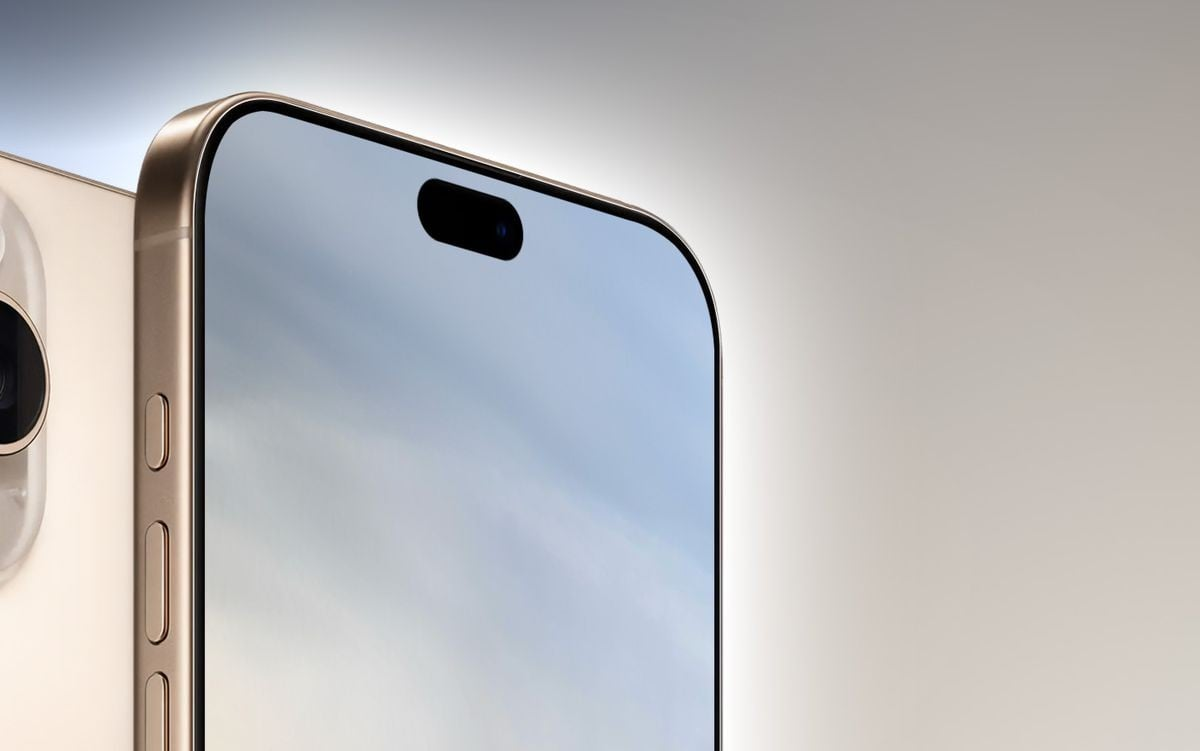
The newest claim points to the middle option. A tipster on X says new CAD files for the upcoming devices show a much smaller punch-hole-style cutout at the top of the display. If those files are accurate, the iPhone 18 Pro and iPhone 18 Pro Max would retain the Dynamic Island concept, but with a less intrusive physical cutout.
One leak described the alleged CAD image by saying that “the new CAD confirms the smaller Dynamic Island of the iPhone 18 Pro.” However, the source remains relatively new, and the authenticity of the files has not been verified.


The change is reported to make the cutout clearly narrower, though it may appear slightly taller. That distinction matters: Apple may not be eliminating the front sensor area yet, but it could be preparing a transitional design that moves some components under the display while keeping others visible.
Why the Dynamic Island Matters
The Dynamic Island is more than a black pill at the top of the iPhone screen. It combines hardware and software, turning the front camera and sensor cutout into an interactive area for alerts, live activities, music playback, timers, calls, and other system updates.
Since its debut on the iPhone 14 Pro, the feature has become one of the most recognizable parts of Apple’s modern iPhone design. But it has also been a compromise. While Apple turned the cutout into a functional interface, the hardware still occupies valuable screen space.
That is why a smaller Dynamic Island would be meaningful even if the change looks minor at first glance. It would suggest Apple is gradually moving toward a cleaner front display without rushing into a full under-screen camera and sensor system.


Under-Display Sensors May Be the Key
The likely explanation behind the smaller cutout is internal rearrangement. Reports suggest Apple may have moved some Face ID components under the display, but not all of them. That would allow the company to reduce the size of the visible cutout while preserving the security and reliability of Face ID.
Another report suggested Apple may have placed at least some Touch ID-related sensors under the screen, though the broader rumor discussion has focused more heavily on Face ID components. The important point is that some sensor hardware may no longer need to sit inside the visible cutout.
That would explain why Apple is not expected to move directly to a single hole-punch camera design this year. Instead, the iPhone 18 Pro lineup may represent a halfway step: less visible hardware, but not a fully uninterrupted display.
A 35% Reduction Could Be Noticeable
One of the more specific claims says the new Dynamic Island could be about 35% smaller on the iPhone 18 Pro and iPhone 18 Pro Max. If accurate, that would be a visible change for users, especially because the Dynamic Island sits front and center on the display.
This would not fundamentally alter how people use the iPhone, but it could make the screen feel more open. For users who watch video, play games, edit photos, or simply prefer a less obstructed display, even a moderate reduction in the cutout could improve the overall visual experience.
The change would also align with a wider smartphone industry trend: manufacturers continue to push toward all-screen designs while trying to hide cameras, biometric sensors, and other front-facing hardware.
The Rear Design May Stay Familiar
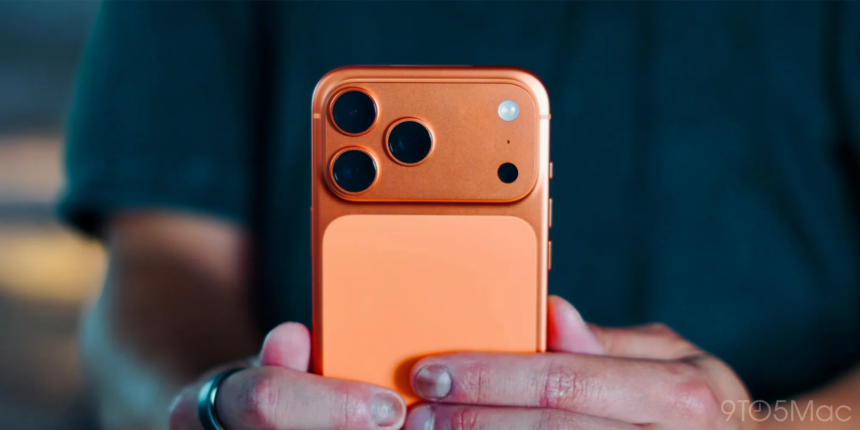
While the front of the iPhone 18 Pro could receive its most visible update, the rear design is expected to stay largely familiar. Reports suggest the iPhone 18 Pro and iPhone 18 Pro Max may keep a design close to their predecessors, including a similar camera layout.
That makes the smaller Dynamic Island especially important. If the back of the phone remains mostly unchanged, the front cutout could become the headline design difference for this year’s Pro models.
There are still expected refinements on the rear, however. One rumor says Apple is working on a more unified back panel, reducing the visual difference between the rear glass and aluminum. The wording attributed to Weibo leaker Instant Digital states: “The iPhone 18 Pro series features a redesigned back glass that minimizes color difference between the glass and the aluminum back panel. A seamless, unified look.”
That would address criticism of the current two-tone rear finish and give the device a cleaner appearance without requiring a full redesign.
Other Rumored Design Changes
Beyond the smaller Dynamic Island, the iPhone 18 Pro series is also rumored to bring several physical changes.
The camera bump may become thicker, possibly to accommodate upgraded imaging hardware. One report mentions the possibility of a mechanical variable aperture system, though that remains unconfirmed. The iPhone 18 Pro Max may also become slightly heavier and thicker, reportedly crossing 240 grams, with a possible battery capacity in the 5,100mAh to 5,200mAh range.
Apple is also reportedly testing new color options. Rumored finishes include Light Blue, Dark Cherry, Silver, and Dark Gray. Dark Cherry has been described as a mix of burgundy, coffee, and deep purple, and could become the standout marketing color if it reaches production.
Why Apple May Be Moving Slowly
A smaller Dynamic Island fits Apple’s usual design strategy. The company often avoids abrupt hardware changes when reliability, manufacturing scale, and user experience are at stake.
Under-display Face ID is technically challenging because the sensors must work accurately through the screen. Apple’s biometric systems are central to authentication, payments, app security, and privacy. A design that looks cleaner but weakens sensor performance would not fit the company’s normal priorities.
That may explain why the iPhone 18 Pro is rumored to shrink the Dynamic Island rather than remove it. Apple can reduce the visual interruption while maintaining the core sensor system users expect.
The Bigger Picture for iPhone Design
If the rumor proves accurate, the iPhone 18 Pro series could mark the beginning of the Dynamic Island’s gradual retreat. The feature may remain part of iOS as an interface concept even as the physical cutout gets smaller.
In the long term, Apple may be working toward a display where Face ID and other sensors sit fully beneath the screen. The Dynamic Island could then become primarily a software layer rather than a hardware-driven shape.
For now, the iPhone 18 Pro and iPhone 18 Pro Max appear more likely to refine the idea than abandon it. That makes the rumored smaller Dynamic Island a practical evolution rather than a revolution.
A Modest Change With Big Visual Impact
The iPhone 18 Pro and iPhone 18 Pro Max are shaping up to be iterative devices, but the smaller Dynamic Island could still become one of their most discussed design updates. It would make the front of the phone feel fresher, reduce the visual weight of the cutout, and signal Apple’s continued push toward a more seamless display.
Nothing is official until Apple announces the devices, and CAD leaks should be treated cautiously. Still, the direction is clear: Apple may not be ready to say goodbye to the Dynamic Island, but it may finally be ready to make it smaller.