Ted Turner Net Worth: Inside the Billion-Dollar Empire That Changed Global Media
Few media executives in modern history transformed global communication the way Ted Turner did. From launching the world’s first 24-hour television news network to building a cable broadcasting empire that reshaped sports, entertainment, and journalism, Turner’s career became one of the most influential business success stories of the late 20th century.
- The Visionary Who Built CNN
- From Billboard Business to Media Empire
- How Much Was Ted Turner Worth?
- Ted Turner’s Sports Empire
- One of America’s Largest Landowners
- Ted Turner and Jane Fonda
- Philanthropy Became a Defining Part of His Legacy
- Health Struggles and Final Years
- Why Ted Turner’s Net Worth Still Matters
- Final Thoughts
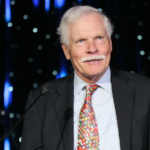
At the time of his death in May 2026, Ted Turner’s net worth was estimated between $2.2 billion and $2.8 billion, according to multiple financial reports and media analyses.
But Turner’s fortune represented far more than money. His wealth symbolized decades of innovation, risk-taking, media disruption, and cultural influence that permanently changed how the world consumes information.



The Visionary Who Built CNN
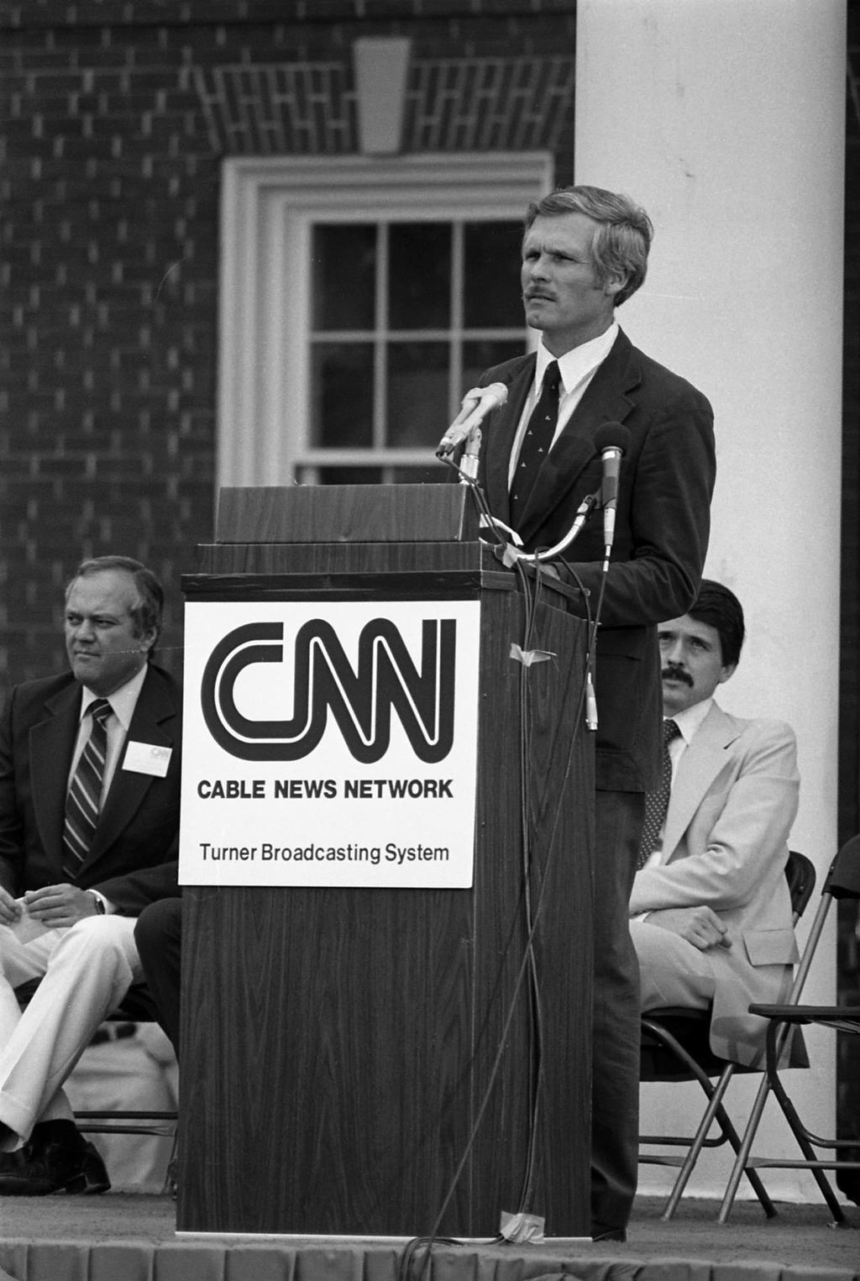
Turner’s biggest breakthrough came in 1980 when he launched Cable News Network, better known globally as CNN.
At the time, many television executives dismissed the idea of a 24-hour news channel as unrealistic and commercially dangerous. Networks traditionally relied on scheduled news broadcasts rather than continuous reporting. Turner disagreed.


He believed audiences wanted constant access to information, especially during breaking global events. That gamble transformed television forever.
CNN quickly became one of the most influential news organizations in the world, especially during coverage of historic events such as:
- the Challenger disaster
- the fall of the Berlin Wall
- the Gulf War
- major international political crises
The network’s real-time Gulf War reporting in 1990 fundamentally changed broadcast journalism by bringing live war coverage directly into homes worldwide.
The success of CNN became the financial backbone of Ted Turner’s net worth for decades.


From Billboard Business to Media Empire
Before becoming a billionaire media titan, Turner inherited his father’s struggling billboard advertising company during the 1960s. Instead of selling it, he aggressively expanded into broadcasting.
He purchased an Atlanta television station that later evolved into the Turner Broadcasting System.
Using satellite distribution technology, Turner pioneered the “superstation” model by broadcasting content nationally through TBS. That strategy dramatically expanded both advertising revenue and audience reach.
His empire continued growing through major acquisitions, including:
- MGM’s film library
- the Hanna-Barbera cartoon catalog
- sports franchises
- entertainment channels
Those deals eventually helped launch:
- Turner Network Television (TNT)
- Cartoon Network
- Turner Classic Movies (TCM)
The MGM acquisition alone reportedly cost approximately $1.5 billion and gave Turner control of thousands of classic Hollywood films.
How Much Was Ted Turner Worth?
Financial estimates surrounding Ted Turner’s net worth varied slightly among publications, but most reports placed his fortune between $2.2 billion and $2.8 billion at the time of his death.
His wealth came from several major sectors:
Media Holdings
CNN and Turner Broadcasting remained the foundation of his fortune for decades.
Entertainment Rights
Ownership of massive film and cartoon libraries generated long-term licensing and syndication revenue.
Sports Ownership
Turner revolutionized sports broadcasting by combining team ownership with national television exposure.
Real Estate and Ranches
He became one of the largest private landowners in the United States.
Investments and Corporate Deals
The merger between Turner Broadcasting and Time Warner significantly increased his wealth during the 1990s.
Although the later AOL-Time Warner merger reduced portions of his fortune, Turner remained a billionaire due to diversified holdings and land investments.
Ted Turner’s Sports Empire
Turner’s influence stretched far beyond television news.
In 1976, he purchased the Atlanta Braves and later acquired the Atlanta Hawks.
His strategy was groundbreaking: broadcast games nationally through TBS and build fan loyalty far beyond local markets.
The result was historic.
The Braves evolved from a regional baseball franchise into a nationally recognized sports brand often referred to as “America’s Team.”
When Atlanta’s baseball dynasty emerged during the 1990s, millions of fans across the United States were already familiar with the franchise because of Turner’s cable distribution model.
Under Turner’s ownership, the Braves won the 1995 World Series.
His impact on sports media later became the blueprint for modern regional sports networks and national sports broadcasting strategies.
One of America’s Largest Landowners
Outside broadcasting, Turner developed another enormous asset portfolio through ranching and land ownership.
At various points during his life, Turner owned nearly two million acres across several U.S. states, making him one of America’s largest private landowners.
His ranches became central to both his business strategy and environmental mission.
Many properties focused on:
- wildlife conservation
- bison restoration
- sustainable ranching
- ecosystem preservation
Turner reportedly owned dozens of ranch properties, including the famous Flying D Ranch near Bozeman, Montana, where he spent much of his later life.
He also launched Ted’s Montana Grill, which featured bison products sourced from his ranches.
Ted Turner and Jane Fonda
Turner’s personal life often attracted intense public attention.
In 1991, he married Academy Award-winning actress Jane Fonda. The marriage lasted roughly a decade before ending in divorce in 2001.
Reports at the time stated Turner paid Fonda more than $100 million in cash, stock, and property settlements.
Despite the divorce, the pair reportedly remained close through philanthropic and environmental initiatives.
Philanthropy Became a Defining Part of His Legacy
While Turner accumulated billions, he also gave away enormous sums during his lifetime.
In 1997, he pledged $1 billion to support United Nations initiatives — one of the largest charitable donations ever made at the time.
He later joined Warren Buffett’s Giving Pledge and committed much of his fortune to philanthropic causes.
Turner supported initiatives involving:
- environmental conservation
- nuclear disarmament
- wildlife restoration
- sustainability projects
- global humanitarian programs
Many analysts believe his charitable legacy became just as important as his business accomplishments.
Health Struggles and Final Years
In 2018, Turner publicly revealed he had been diagnosed with Lewy body dementia, a condition associated with cognitive and motor decline similar to Parkinson’s and Alzheimer’s disease.
He spent many of his later years focused on ranching, conservation, and environmental projects rather than media operations.
Turner died at age 87 in May 2026. While an official cause of death was not publicly confirmed, reports noted his long battle with declining health.
Why Ted Turner’s Net Worth Still Matters
Ted Turner’s fortune remains one of the most fascinating stories in media history because it reflected transformational influence rather than inherited corporate dominance.
He did not merely build a television company.
He fundamentally altered:
- how breaking news is delivered
- how cable television operates
- how sports are distributed nationally
- how entertainment libraries generate value
- how billionaires engage in philanthropy
The modern 24-hour news cycle, now standard worldwide, traces directly back to Turner’s vision in 1980.
Even decades later, the structure of modern media still carries his fingerprints.
Final Thoughts
Ted Turner’s net worth was never just about billions of dollars. It represented one of the most disruptive careers in modern broadcasting history.
From turning a billboard business into a media empire to launching CNN and reshaping global journalism, Turner built a legacy that extended far beyond financial success.
His influence touched television news, entertainment, sports, conservation, and philanthropy on a global scale.
By the time of his death in 2026, Ted Turner had become far more than a billionaire entrepreneur. He had become one of the defining architects of modern media itself.