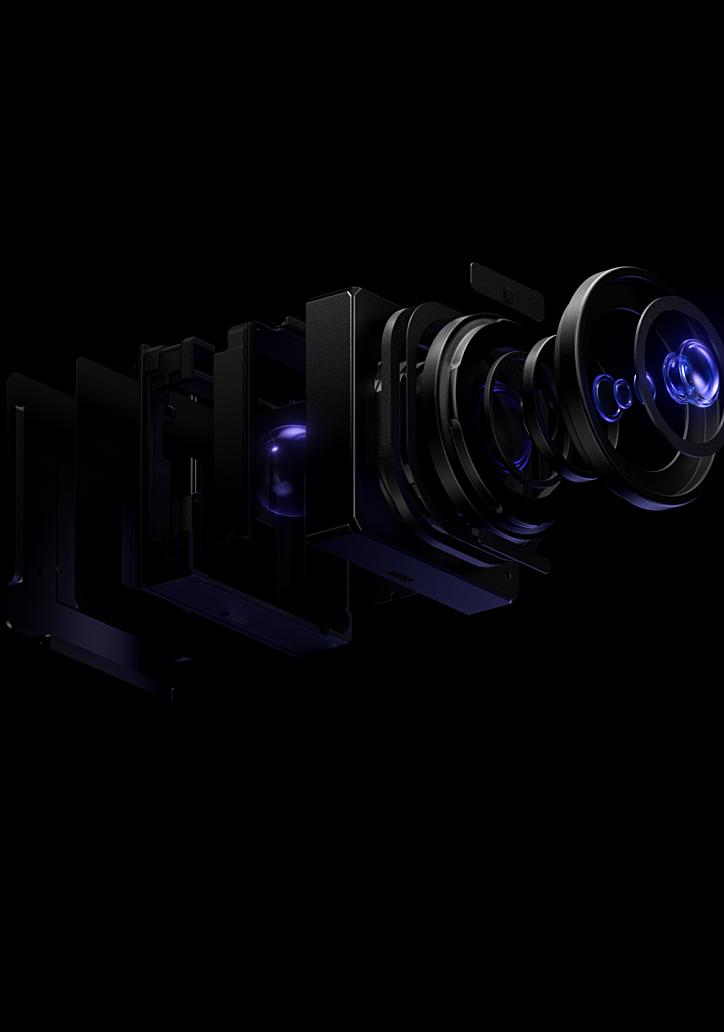
Samsung’s next flagship may be shaping up to be one of the company’s most ambitious camera upgrades in years. Early leaks surrounding the Galaxy S27 Ultra suggest Samsung is preparing to revive one of its most experimental smartphone camera technologies — variable aperture — while pairing it with a massive 200MP rear sensor and advanced imaging enhancements.
If the reports prove accurate, the Galaxy S27 Ultra could signal a major shift in Samsung’s camera strategy after several generations of relatively incremental updates. The move would also place Samsung directly into an intensifying battle with Apple, Huawei, Xiaomi, Honor, and other smartphone makers competing to dominate mobile photography in 2027.
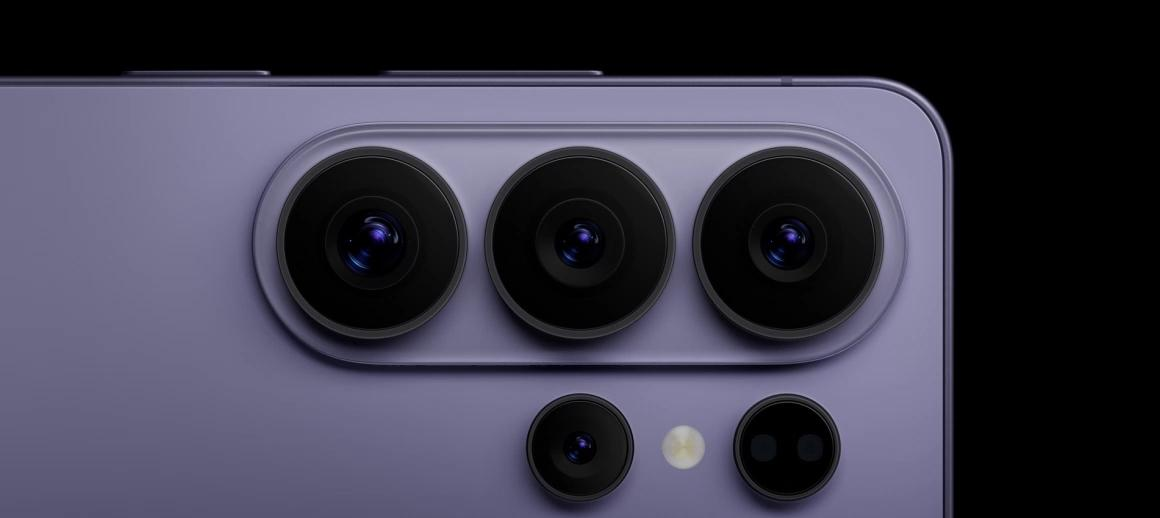
Samsung May Bring Back a Fan-Favorite Camera Feature
According to leaks shared by tipster Smart Pikachu on Weibo, Samsung is currently testing a 200MP primary camera sensor with a variable aperture system for the Galaxy S27 Ultra. The feature was last seen on Samsung’s Galaxy S9 and Galaxy S10 series, where the company introduced a dual-aperture setup capable of switching between different aperture levels depending on lighting conditions.
At the time, the technology was considered highly innovative because it allowed smartphone cameras to behave more like professional DSLR lenses. Samsung later abandoned the feature as the company shifted its focus toward ultra-high-resolution sensors and periscope zoom systems.
Now, nearly a decade later, variable aperture appears poised for a comeback.
Unlike fixed-aperture smartphone cameras, a variable aperture mechanism physically changes the lens opening. A wider aperture lets in more light for brighter low-light images and stronger background blur, while a narrower aperture helps preserve detail in bright conditions and improves sharpness across landscapes and group shots.
The return of this feature could address one of the most common criticisms of modern smartphone photography: cameras that excel in one lighting condition but struggle in another.
Why Variable Aperture Matters Again
Smartphone manufacturers have spent years increasing megapixel counts, improving computational photography, and introducing AI-assisted image processing. However, many devices still rely on fixed aperture lenses, limiting how much flexibility cameras have in changing environments.
Samsung’s rumored implementation could offer several advantages:
Better Low-Light Photography
In darker scenes, the aperture could widen to allow more light onto the sensor. This may reduce image noise and improve nighttime photography without relying as heavily on aggressive software processing.
Improved Dynamic Range
Leaks also indicate that Samsung may combine the variable aperture system with LOFIC technology — short for Lateral Overflow Integration Capacitor.
LOFIC is designed to capture additional highlight and shadow information by collecting excess light overflow into capacitors attached to pixels. This allows the camera system to preserve more detail in bright skies, reflective surfaces, and dark shadows simultaneously.
If implemented successfully, the Galaxy S27 Ultra could deliver significantly improved HDR photography and video recording.
More Natural Portrait Shots
Wider apertures create shallower depth-of-field effects, producing softer and more realistic background blur. Smartphone portrait photography often depends heavily on software-based edge detection, which can produce unnatural results. A true optical aperture adjustment could make portraits look far more authentic.
Samsung’s Camera Strategy May Be Changing
The leaks suggest Samsung could make another surprising move with the Galaxy S27 Ultra: reducing the number of rear cameras from four to three.
Reports indicate the company may remove the long-running 10MP 3x telephoto lens that has been included in Ultra models since the Galaxy S21 Ultra. Instead, Samsung may rely more heavily on crop-based zoom from the primary sensor.
If true, the camera setup could reportedly include:
- A 200MP primary sensor with variable aperture
- A 50MP ultrawide camera
- A 50MP telephoto camera with 5x optical zoom
This would represent a notable redesign of Samsung’s Ultra camera philosophy.
Some analysts believe removing the dedicated 3x sensor could free internal space for additional hardware improvements, including larger batteries, cooling systems, or Qi2 magnetic wireless charging components.
Samsung Faces Pressure to Deliver a Major Upgrade
Consumer expectations for flagship smartphone cameras are rapidly increasing. Surveys referenced in recent industry discussions suggest many users believe Samsung’s Ultra lineup now needs more than minor refinements.
In one poll cited by industry commentary, over 60 percent of respondents reportedly wanted a “complete overhaul” of Samsung’s camera system rather than incremental updates.
That pressure comes as Chinese smartphone makers continue advancing aggressively in mobile imaging.
Devices such as the Xiaomi 14 Ultra and Honor Magic 6 Pro have already experimented with variable aperture systems. Huawei has also been linked to ongoing testing of adjustable aperture 200MP sensors.
Samsung now appears determined to avoid falling behind in the premium camera race.
Apple Is Reportedly Heading in the Same Direction
The timing of Samsung’s rumored upgrade is particularly notable because Apple is also expected to introduce variable aperture cameras on the iPhone 18 Pro series.
That means 2027 could become a pivotal year for smartphone photography, with both Samsung and Apple potentially reviving hardware-based optical innovation after years dominated largely by software enhancements.
For years, smartphone manufacturers have relied heavily on computational photography to improve image quality. But the renewed interest in variable aperture suggests the industry may be returning to more advanced physical camera systems in pursuit of DSLR-like performance.
What About the Front Camera?
While most leaks have focused on the rear cameras, rumors also suggest Samsung may be exploring upgrades to the front-facing camera system.
Some reports hint at:
- A larger selfie sensor
- Higher-resolution front cameras
- Possible 3D face-scanning technology
- Improved security features
- Better landscape and portrait capture flexibility
Although these details remain speculative, they indicate Samsung may be planning broader camera changes beyond the rear module alone.
Launch Timeline and Expected Pricing
Samsung has not officially confirmed any details regarding the Galaxy S27 Ultra. However, based on Samsung’s traditional release cycle, the phone is expected to launch in early 2027, likely during a Galaxy Unpacked event in February or March.
Pricing remains unconfirmed, but some early estimates suggest the device could start around Rs 1,39,999 in India for the base configuration.
A Potential Turning Point for Samsung Cameras
The Galaxy S27 Ultra rumors point toward something larger than another annual specification refresh. Samsung may be preparing to rethink how its flagship smartphone cameras operate altogether.
A combination of:
- 200MP imaging
- Variable aperture hardware
- LOFIC dynamic range technology
- Simplified but potentially stronger camera arrays
- Advanced computational processing
could produce one of the most sophisticated mobile camera systems Samsung has ever released.
Whether the company can execute those ambitions successfully remains uncertain. Smartphone photography has become fiercely competitive, and consumers are increasingly difficult to impress.
Still, if Samsung delivers meaningful real-world improvements instead of cosmetic upgrades, the Galaxy S27 Ultra could become one of the most important smartphone camera releases in years.