

Evan Blass Retires @evleaks: The End of an Era in Smartphone Leaking
For more than a decade, one name quietly shaped the modern smartphone news cycle before companies themselves could take the stage: Evan Blass, better known online as @evleaks.
Now, after roughly 14 years of leaking unreleased devices, product renders, and industry secrets, Blass has announced that he is retiring the legendary @evleaks account once again. The decision marks the close of one of the most influential chapters in consumer technology journalism and online leak culture.
Blass confirmed the news in early May 2026, explaining that continuing to leak phones and share wallpapers was no longer a sustainable path for him financially or personally. His announcement quickly spread across the technology world, prompting tributes from journalists, readers, and longtime followers who had relied on his remarkably accurate scoops for years.
The retirement is especially emotional because Blass also revealed the ongoing health and financial challenges behind the decision. Diagnosed with multiple sclerosis (MS) in 2014, he acknowledged that the work he became famous for has not provided the stable income necessary to support his life and medical needs.
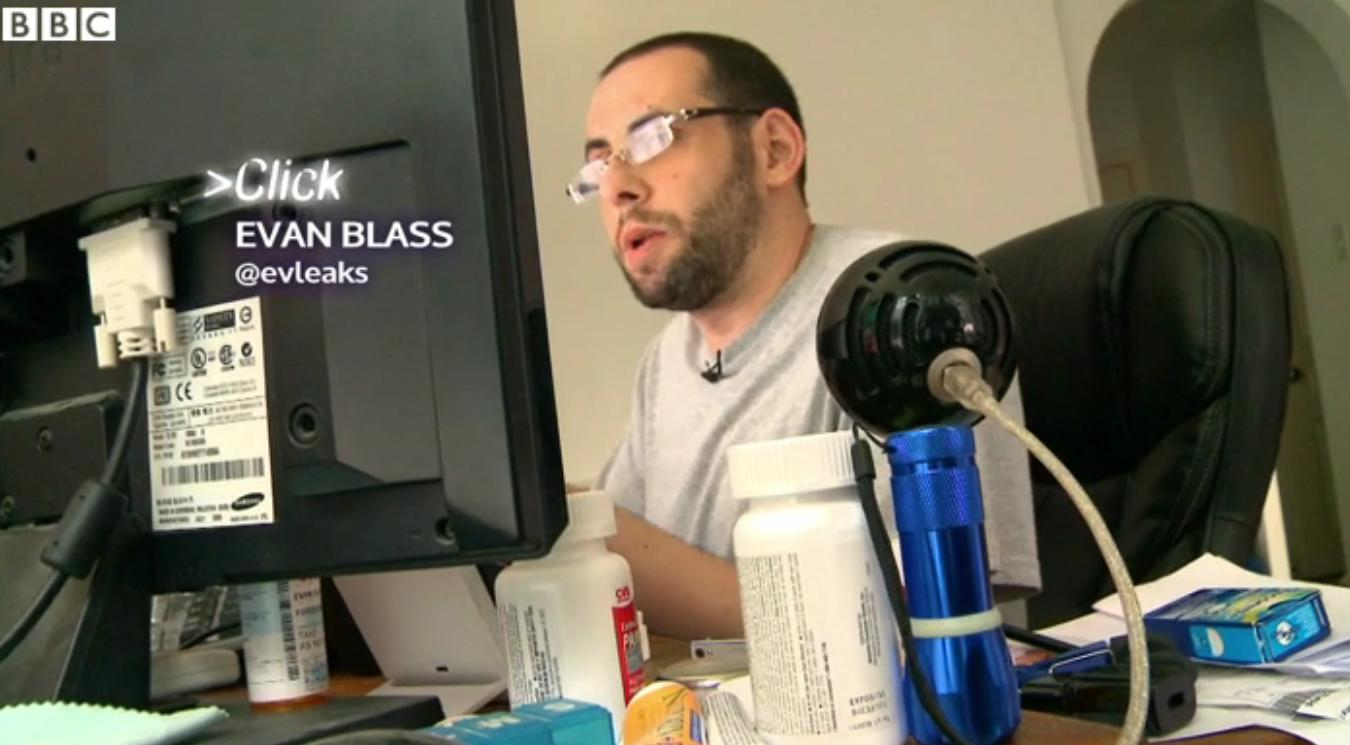
The Man Who Turned Leaks Into a Tech Industry Institution
Long before social media became flooded with anonymous tipsters and insider accounts, Evan Blass helped define what modern tech leaking looked like.
Operating under the @evleaks identity, Blass built a reputation for posting highly accurate images and details of unreleased smartphones, tablets, accessories, and software. Manufacturers often spent months preparing elaborate product launches, only for Blass to publish official-looking renders weeks ahead of announcements.
His influence became so significant that many tech journalists and readers treated an @evleaks post as nearly definitive confirmation that a device existed.
According to background information on Blass’ career, he had reportedly been leaking phones since 2009, even before formally launching the @evleaks account in 2012.
Over time, his leaks covered nearly every major smartphone manufacturer in the industry, including:
- Samsung
- Apple-related ecosystem products
- HTC
- Nokia
- Motorola
- LG
- Sony
- Asus
- Huawei
- Google Nexus devices
Some of the most memorable leaks associated with Blass included early images and details for devices such as the Moto X, Nexus 5, Galaxy S series, Sony Xperia line, and numerous Nokia Lumia smartphones.
At a time when official teasers were carefully controlled marketing events, Blass became the internet’s unofficial early-access pipeline.
Why Evan Blass Is Retiring
In his latest announcement, Blass explained that the work behind @evleaks was no longer financially viable.
He stated that leaking devices and sharing related content “isn’t a fruitful pursuit” at this point in his life. More concerningly, he admitted he could not afford an important prescription medication, a detail that underscored the serious personal realities behind his decision.
Blass was diagnosed with multiple sclerosis, an autoimmune disorder, in 2014. The disease can significantly impact mobility, energy levels, and long-term health care costs.
His comments resonated deeply with followers because they exposed the hidden side of internet fame. Despite being one of the most recognizable names in tech leaking, sustaining a stable living from the work proved difficult.
The issue is not entirely new for Blass. In fact, this is not the first time he has stepped away from @evleaks.
A Retirement That Happened Before
Veteran followers of the smartphone industry may remember that Blass previously retired the account in 2014, citing similar concerns about income and sustainability.
At the time, the technology world reacted with surprise because @evleaks had become deeply embedded in the news ecosystem. Publications around the world relied heavily on his leaks to drive traffic and coverage ahead of major launches.
However, despite stepping away, Blass eventually returned and continued leaking devices for years afterward.
That comeback helped cement his legendary status. Even after announcing retirement, he repeatedly resurfaced with accurate insider information, often outperforming newer competitors in both precision and credibility.
This second retirement feels different, though. The tone of Blass’ latest message appeared more personal and reflective, focusing less on internet culture and more on health, financial pressure, and the realities of long-term sustainability.
How @evleaks Changed Tech Journalism
The rise of @evleaks fundamentally altered how technology news operates.
Before Blass and similar leakers became mainstream, smartphone companies controlled product narratives through tightly coordinated launch events, press invitations, and embargoed previews.
Blass disrupted that system.
By publishing press renders, specifications, and carrier information ahead of launches, he created a new type of anticipatory news cycle. Rumors and leaks became a major part of how consumers engaged with upcoming products.
In many ways, modern smartphone hype culture was built on this model.
Today, pre-launch leaks are almost expected. Consumers routinely know the appearance, features, pricing, and specifications of flagship phones months before official reveals. That expectation owes a great deal to pioneers like Blass.
His work also influenced an entire generation of technology insiders and anonymous leakers who followed.
Accounts such as Digital Chat Station, Ice Universe, and others now dominate different corners of the smartphone rumor ecosystem, but @evleaks helped establish the credibility framework that made such accounts influential in the first place.
From Anonymous Insider to Public Figure
For nearly a year after launching the account, Blass operated anonymously.
Eventually, he publicly revealed his identity in 2013 during an interview, explaining that remaining hidden had become unrealistic given the account’s rapidly growing influence.
Outside the leaking world, Blass also had a respected journalism background.
According to publicly available career history, he worked at technology publications including:
- Engadget
- Obsessable
- Pocketnow
- VentureBeat
This editorial experience likely contributed to the professionalism and consistency that distinguished @evleaks from many anonymous rumor accounts.
Unlike random speculation pages, Blass built trust through accuracy.
That trust became his currency.
The Human Cost Behind Internet Fame
One of the most striking aspects of Blass’ retirement announcement is how clearly it illustrates the gap between online visibility and financial security.
Millions of readers encountered his leaks over the years. Major publications generated enormous traffic from the information he provided. Smartphone discussions across forums, YouTube channels, and social platforms frequently revolved around his posts.
Yet Blass himself admitted the work did not provide stable financial support.
It is a reminder that internet influence does not automatically translate into sustainable income, especially in fields built around rapid content sharing and reposting.
Technology leaking exists in a strange space between journalism, entertainment, insider culture, and social media virality. While it can generate massive attention, monetization remains inconsistent.
Blass attempted to commercialize his work in the past, including efforts through his own website, but maintaining long-term profitability proved difficult.
His openness about medical costs and prescription affordability also sparked sympathy across the tech community.
Many followers responded with messages of appreciation and support, with some encouraging donations through his updated social media presence.
What Happens Next?
Blass stated that he plans to move his social media activity to Instagram under the handle @EvanBlass, which also aligns with his PayPal and Venmo donation handles.
Whether this retirement becomes permanent remains to be seen.
The technology industry has changed dramatically since @evleaks first emerged. Smartphone launches are now more controlled, supply chains are more scrutinized, and companies increasingly use strategic teasers to shape narratives before unofficial leaks can dominate coverage.
At the same time, leak culture itself has evolved into a highly competitive ecosystem involving analysts, factory insiders, regulatory databases, and supply-chain reports.
Even so, Evan Blass remains one of the few names universally recognized across the tech industry.
For many enthusiasts, seeing an @evleaks post felt like a signal that a product launch season had truly begun.
A Lasting Legacy in Consumer Technology
Regardless of whether he returns again in the future, Evan Blass’ influence on modern technology reporting is undeniable.
He transformed smartphone leaks from occasional forum rumors into a central pillar of tech media culture. His posts shaped marketing conversations, consumer expectations, and even the timing of how companies responded to unofficial information.
More importantly, he became a rare example of an independent insider whose reputation was built primarily on consistency and credibility.
In an online world crowded with speculation and misinformation, @evleaks became synonymous with reliability.
Now, as Blass steps away once more, the smartphone industry loses one of its most iconic behind-the-scenes figures — a man whose leaks often became as anticipated as the products themselves.
And for millions of tech fans who followed every blurry render, early press image, and surprise reveal, the retirement of @evleaks truly feels like the end of an era.


