


May the 4th Be With You: How a Simple Phrase Became a Global Cultural Phenomenon
From a Clever Pun to a Worldwide Celebration
Every year on May 4th, millions of fans across the globe greet each other with a familiar phrase: “May the 4th be with you.” What began as a playful twist on the iconic Star Wars line, “May the Force be with you,” has evolved into a full-fledged cultural event—one that transcends generations, borders, and even the boundaries of traditional fandom.
The origins of the phrase are rooted in wordplay, but its cultural significance has grown far beyond its humble beginnings. While there is no single confirmed origin, one of the earliest recorded uses dates back to a May 1979 advertisement in the London Evening News celebrating the election of British Prime Minister Margaret Thatcher.
Over time, the phrase was embraced by fans and amplified through the rise of internet culture, transforming May 4th into an unofficial holiday dedicated to one of the most influential film franchises in history.
The Enduring Legacy of Star Wars
To understand why May the 4th resonates so deeply, one must return to 1977—the year Star Wars: A New Hope premiered. The film quickly became the top-grossing movie of the year, captivating audiences with its groundbreaking storytelling, visual effects, and unforgettable characters.
For many fans, the experience was transformative. It wasn’t just a movie; it was an entry point into an expansive universe filled with heroes, villains, and timeless themes of hope, rebellion, and destiny.
As one fan recalled, watching Return of the Jedi in the 1980s on a “boxy, behemoth” television became a defining childhood memory, shared with family and rooted in a sense of wonder.
That emotional connection is a key reason the franchise continues to thrive nearly five decades later.
A Celebration Rooted in Community and Identity
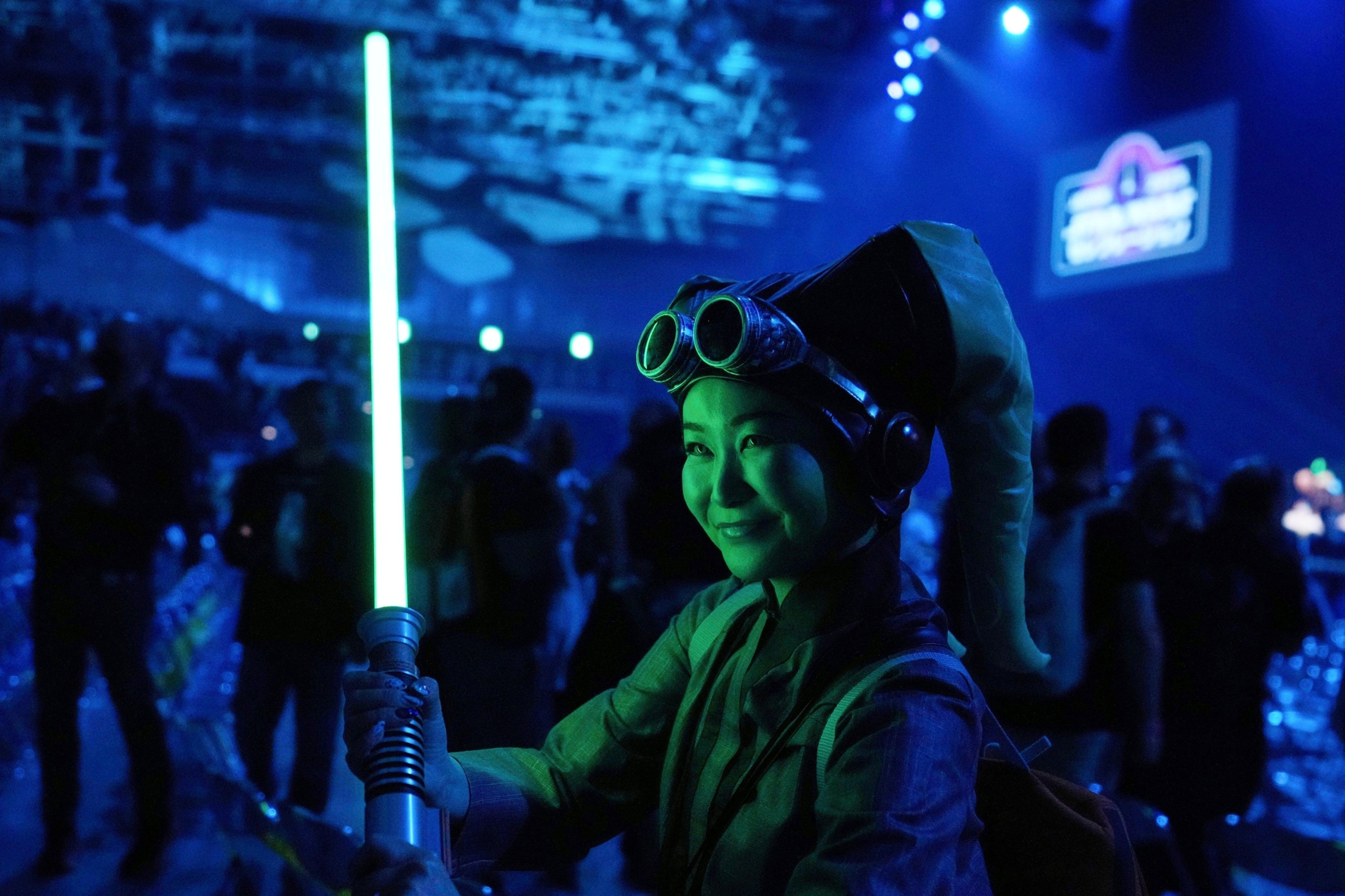
Today, May the 4th is more than a date—it’s a shared experience. Across conventions, homes, and online communities, fans celebrate in diverse ways: cosplay, movie marathons, themed parties, and even charitable events.
For some, the day is deeply personal. Families pass down their love of Star Wars across generations, turning the franchise into a tradition. One fan humorously credited Star Wars with her very existence, explaining that her parents met at a screening of A New Hope on their first date.
Others find meaning in the themes embedded within the saga. The story of rebellion against oppressive forces resonates strongly in today’s world. As one attendee at a fan convention noted, the narrative “represents what’s happening around the world right now and the resistance that’s happening.”
Even actors connected to the franchise recognize its emotional impact. Temuera Morrison, known for portraying members of the Fett family, reflected on how Star Wars has helped fans through difficult periods, including illness and personal struggles.
From Niche Fandom to Mainstream Culture
There was a time when being a Star Wars fan came with social stigma. Enthusiasts often faced teasing or dismissal for their passion. But that perception has shifted dramatically.
Today, May the 4th is widely acknowledged—even by those who aren’t fans. Messages, promotions, and greetings flood social media, and businesses across industries capitalize on the day with themed products and campaigns.
As one longtime fan observed, the difference is striking: what was once considered niche is now embraced by the mainstream, with even non-fans joining in the celebration by saying, “May the Fourth be with you.”
This transformation reflects a broader cultural shift—one in which fandom is no longer marginalized but celebrated as a legitimate form of identity and community.
The Role of Media and Modern Expansion
The continued expansion of the Star Wars universe has played a crucial role in sustaining the relevance of May the 4th.
Streaming platforms, particularly Disney+, have made the entire saga accessible to new audiences. Fans can binge-watch everything from the original Skywalker saga to newer series like The Mandalorian and The Bad Batch.
The franchise also continues to grow through new cinematic releases. In 2026, excitement surrounds Star Wars: The Mandalorian and Grogu, a theatrical release set to expand the storyline of the beloved bounty hunter Din Djarin and his apprentice Grogu.
These ongoing developments ensure that the celebration remains dynamic, constantly attracting new fans while retaining longtime devotees.
Why May the 4th Still Matters
At its core, May the 4th endures because it represents more than just entertainment. It symbolizes imagination, resilience, and connection.
For some, it’s a nostalgic return to childhood. For others, it’s a way to bond with family or express creativity through costumes and storytelling. And for many, it’s simply a day to celebrate a universe that has shaped their worldview.
As one enthusiast reflected, the joy lies not in making it an official holiday, but in the shared experience: “It’s a bit of fun… and I can’t wait until next year.”
A Galaxy That Keeps Expanding
With the Star Wars franchise approaching its 50th anniversary in 2027, the significance of May the 4th is only set to grow.
What began as a clever pun has become a global tradition—one that continues to unite fans across generations. Whether through lightsaber duels, streaming marathons, or simple greetings, the spirit of the day remains the same:
A celebration of storytelling, imagination, and the enduring power of the Force.


