

Tony Gonzales Stepping Down: A Political Exit Under Pressure
A Sudden Announcement That Shook Capitol Hill
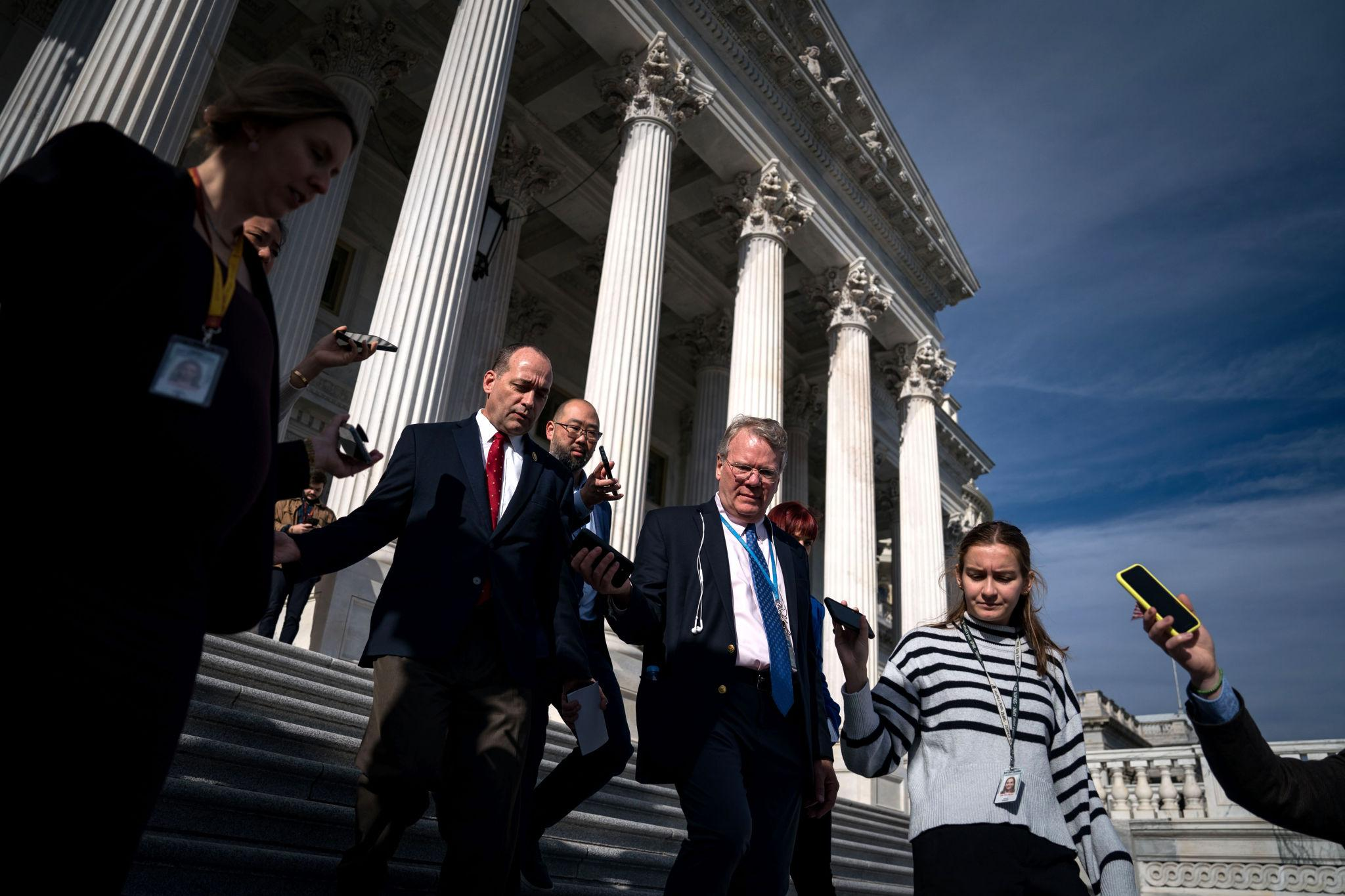
The decision by Tony Gonzales to step down from Congress marks one of the most dramatic political developments in recent U.S. legislative history. The Texas Republican, a third-term lawmaker, confirmed he would file his retirement as Congress reconvened, bringing an abrupt end to a career overshadowed by controversy.
In a public statement, Gonzales framed his decision in reflective terms:
“There is a season for everything and God has a plan for us all. When Congress returns tomorrow, I will file my retirement from office. It has been my privilege to serve the great people of Texas.”
The timing, however, leaves little doubt about the underlying pressures. His resignation comes amid mounting bipartisan calls for accountability, a looming expulsion vote, and an ongoing ethics investigation tied to allegations of misconduct.
The Scandal at the Center of the Crisis
At the core of Gonzales’ downfall is his admitted relationship with a staff member, Regina Santos-Aviles, whose death in September 2025 intensified scrutiny.
The relationship, which Gonzales later described as a “lapse in judgment,” raised serious ethical concerns. Text messages reportedly revealed inappropriate communication, including requests that crossed professional boundaries.
More significantly, the situation escalated into a broader ethical and legal issue after Santos-Aviles died by suicide—an event that drew national attention and deepened calls for accountability.
While Gonzales maintained that he bore no responsibility for her death, the sequence of events placed his conduct under intense examination by both political parties and the public.
Mounting Political Pressure and Ethics Investigations
The controversy triggered an investigation by the House Ethics Committee, focusing on whether Gonzales violated congressional rules governing relationships with staff.
Simultaneously, lawmakers from both parties began preparing for a potential expulsion vote—a rare and severe measure in the United States House of Representatives, historically used only in extreme cases.
Gonzales faced a stark ultimatum: resign voluntarily or risk becoming one of the few members ever expelled from Congress.
That pressure intensified as bipartisan momentum grew. Legislative leaders, previously cautious due to the GOP’s narrow majority, began recalculating their position as the situation evolved.
A Parallel Crisis: The Swalwell Factor
Complicating the political landscape was the simultaneous controversy involving Eric Swalwell, a Democratic lawmaker facing separate allegations of sexual misconduct.
Both cases unfolded in parallel, creating a unique bipartisan dilemma. Lawmakers from each party explored coordinated expulsion measures—an unusual strategy aimed at preserving political balance while addressing misconduct on both sides.
This dual crisis accelerated the timeline for Gonzales’ decision. Rather than face a public expulsion vote, resignation became the more controlled exit.
From Re-Election Withdrawal to Full Resignation
Gonzales’ departure did not occur in isolation—it followed a series of escalating steps:
- He initially resisted calls to resign despite public revelations.
- In March, he withdrew from his re-election campaign under pressure from GOP leadership.
- Ethical scrutiny continued to intensify, with additional allegations surfacing.
- Finally, facing imminent expulsion proceedings, he chose to step down.
This progression illustrates how political accountability often unfolds in stages—beginning with reputational damage and culminating in formal removal or resignation.
Implications for Congress and Political Culture
The resignation has broader implications beyond Gonzales’ individual career.
1. Accountability Standards Are Shifting
The willingness of lawmakers to consider expulsion reflects a growing intolerance for misconduct, particularly involving power dynamics between elected officials and staff.
2. Institutional Integrity Under Scrutiny
The case has renewed debate about how effectively Congress enforces ethical standards and protects employees within its structure.
3. Political Calculations Still Matter
Despite ethical concerns, party leadership initially hesitated to act due to the fragile balance of power in the House—highlighting the tension between ethics and political strategy.
4. Investigations End with Resignation
Once Gonzales leaves office, the Ethics Committee loses jurisdiction, effectively closing the investigation without a formal conclusion—a recurring issue in congressional oversight.
What Happens Next?
Several key questions remain unresolved:
- Timing of departure: Gonzales did not specify exactly when his resignation becomes effective.
- Replacement process: A special election may be required, potentially reshaping the political dynamics in his Texas district.
- Long-term impact: The case could influence future rules around staff relationships and internal accountability mechanisms.
At the same time, the episode reinforces a familiar pattern in modern politics: public scandal, institutional pressure, and eventual resignation—often before formal disciplinary action is completed.
Conclusion: A Defining Moment in Congressional Accountability
Tony Gonzales’ decision to step down represents more than a personal or political turning point. It reflects the evolving expectations placed on public officials and the increasing speed at which misconduct can lead to career-ending consequences.
His exit underscores a broader shift within Congress—one where ethical violations, especially involving power imbalances, carry immediate and irreversible consequences.
Whether this marks a lasting change in political culture or another chapter in a recurring cycle remains to be seen. What is clear is that the intersection of personal conduct and public responsibility is now under sharper scrutiny than ever before.


