


Tony Dokoupil Political Views: Journalism, Perception, and Controversy
Introduction: A Journalist Under Political Scrutiny
The political views of Tony Dokoupil have become a subject of growing public debate, particularly following his rise to anchor of CBS Evening News in early 2026. While Dokoupil has not publicly aligned himself with a specific political ideology, his recent interviews, commentary, and editorial approach have triggered sharp reactions across the political spectrum.
At the center of the discussion is a tension that defines modern broadcast journalism: the line between objective reporting and perceived bias. Dokoupil’s case illustrates how quickly that line can blur in a polarized media environment, especially when covering figures like Donald Trump.
A Career Rooted in Traditional Journalism
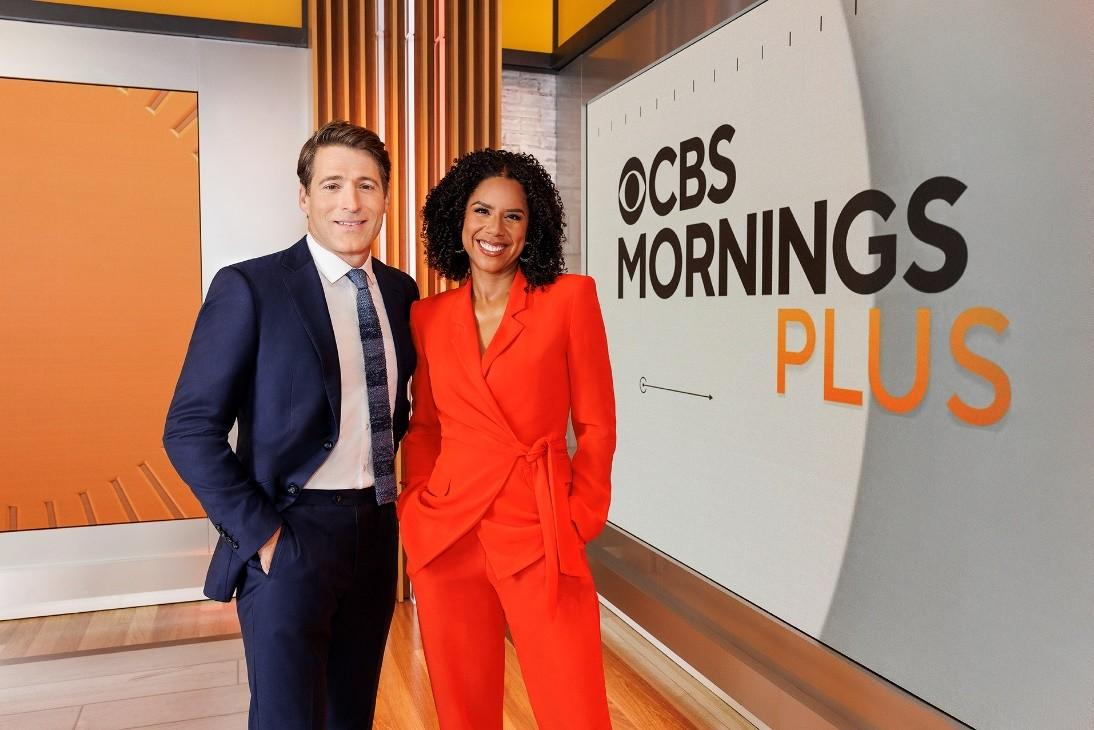
Before the current controversy, Dokoupil built a reputation as a conventional journalist. He worked as a writer and correspondent for major outlets and eventually became a prominent face on CBS programming, including CBS Mornings and later CBS Evening News .
His career trajectory reflects a shift from print journalism to broadcast, with a focus on storytelling, interviews, and human-interest reporting. There is no consistent historical record of explicit political advocacy in his earlier work. In fact, some former colleagues have suggested that he “didn’t have politics to begin with,” highlighting his earlier reputation as a more neutral reporter .
The Turning Point: Trump Coverage and Public Perception
Praise That Sparked Debate
A major catalyst for the debate over Dokoupil’s political stance came after a high-profile broadcast reaction to a speech by Donald Trump. On-air, Dokoupil described the address as:
“It was an extraordinary speech.”
This comment, delivered during a politically charged moment, drew immediate attention. Critics interpreted the praise as unusually favorable, particularly given the confrontational tone of the speech toward Democratic lawmakers.
Interview Dynamics and Political Optics
Dokoupil’s interactions with Trump have also contributed to the conversation. In one interview setting, Trump made pointed remarks suggesting Dokoupil’s career prospects were tied to political outcomes, stating:
“You wouldn’t have a job right now… You wouldn’t have this job.”
Dokoupil responded with measured pushback:
“For the record, I do think I’d have this job even if the other guys won.”
This exchange reflects a nuanced dynamic: while Dokoupil has occasionally challenged political figures, critics argue that the overall tone of his coverage appears deferential.
Accusations of a Rightward Shift
Claims of MAGA Sympathy
Since assuming his role as anchor, Dokoupil has faced repeated accusations of aligning—implicitly or stylistically—with conservative or MAGA-oriented narratives. Some observers have pointed to:
- His positive framing of certain Trump-related events
- Interviews perceived as less confrontational with administration officials
- Editorial decisions that appear to resonate with conservative audiences
One report cited internal and external voices suggesting he was “pretending to be, if not MAGA-aligned, then somehow sympathetic to that worldview” .
Network Strategy and Editorial Direction
These perceptions are often linked to broader changes within CBS News leadership. Under new editorial direction, there has been speculation about a strategic shift aimed at appealing to a wider or more politically diverse audience.
Critics argue that Dokoupil’s style reflects this repositioning, while defenders maintain that it represents an effort to rebuild trust with viewers who feel alienated by traditional media narratives.
Criticism From Media Analysts and Industry Voices
Allegations of “Deference” to Power
Some media critics have described Dokoupil’s approach as showing “undue deference” to political figures, particularly members of the Trump administration .
Examples cited include:
- Extended interviews with administration officials
- Coverage that highlights personalities over policy critique
- Language perceived as complimentary rather than analytical
This criticism has fueled a broader narrative that mainstream media outlets are adapting their tone in response to shifting audience expectations.
Counterarguments: Journalism vs. Interpretation
Not all assessments are negative. Supporters within the industry argue that Dokoupil’s approach reflects:
- A commitment to letting audiences interpret events themselves
- A rejection of overly analytical or elite-driven commentary
- A return to more direct, viewer-centered reporting
CBS itself has rejected claims of political alignment, stating that the narrative of ideological bias is “not based in reality” .
A Broader Philosophy: Distrust in “Elite Media”
One of Dokoupil’s most revealing public statements about media philosophy came before his transition to CBS Evening News, when he criticized traditional journalism for over-relying on elite perspectives.
He argued that media organizations have:
placed “too much weight in the analysis of academics or elites, and not enough on you.”
This perspective suggests a populist-leaning critique of media structures rather than a clearly defined partisan ideology. It aligns with a broader trend in journalism that seeks to prioritize audience experience over expert interpretation.
Personal Context and Its Influence
Dokoupil’s personal life has occasionally intersected with his reporting. For instance, during coverage related to the Middle East, he acknowledged difficulty separating professional responsibilities from personal concerns, particularly regarding his children living in Israel .
This admission highlights a key dimension of modern journalism: the increasing visibility of personal perspective in news delivery. While not inherently political, such moments can shape audience perceptions of bias or emotional alignment.
The Ratings Factor and Public Reaction
The political debate surrounding Dokoupil has unfolded alongside challenges in viewership performance. Reports indicate that CBS Evening News has struggled to maintain strong ratings, at times falling below 4 million viewers.
This decline has intensified scrutiny, with some critics linking editorial tone to audience disengagement. Others argue that the ratings issue reflects broader industry trends rather than individual performance.
Cultural Implications: Journalism in a Polarized Era
Dokoupil’s situation illustrates a wider transformation in media culture:
- Audience fragmentation: Viewers increasingly interpret news through partisan lenses
- Trust deficit: Public confidence in traditional media institutions remains unstable
- Personality-driven journalism: Anchors themselves become part of the story
In this environment, even neutral or ambiguous statements can be interpreted as political positioning.
What Do Tony Dokoupil’s Political Views Actually Look Like?
A precise definition of Dokoupil’s political views remains elusive. Based on available information:
- He has not publicly declared a clear political affiliation
- His journalistic approach emphasizes audience trust and skepticism toward elite narratives
- His recent coverage has been interpreted—rightly or wrongly—as more sympathetic to conservative viewpoints
In effect, his “political stance” is less about explicit ideology and more about how his reporting style is perceived.
Conclusion: Perception vs. Reality
Tony Dokoupil’s political views are best understood as a convergence of personal philosophy, editorial direction, and public interpretation. His career reflects a journalist navigating a highly polarized media landscape, where neutrality itself is often contested.
The debate surrounding him is unlikely to fade. As long as political polarization shapes how audiences consume news, figures like Dokoupil will continue to be scrutinized—not only for what they say, but for how they say it.


