


SIU Freezes R76.5 Million in Eskom Corruption Probe
Inside the Siyabonga Nkosi Assets Seizure and What It Means for South Africa
Introduction: A Turning Point in the Eskom Corruption Crackdown
A significant development has emerged in South Africa’s ongoing fight against corruption within state-owned enterprises. The Special Investigating Unit (SIU) has secured a preservation order freezing assets worth R76.5 million linked to businessman Siyabonga Moses Goodwill Nkosi.
The move represents more than just a legal procedure—it signals a deeper push by authorities to recover public funds and dismantle networks that allegedly exploited Eskom’s procurement systems.
The Freeze Order: What Was Seized and Why
The preservation order, granted by the Special Tribunal, targets a combination of high-value properties and luxury vehicles tied to Nkosi and his associated trusts.
- 17 immovable properties across Gauteng, KwaZulu-Natal, and Mpumalanga
- 7 luxury vehicles, including Lamborghinis and multiple Porsche models
- Total estimated value: R76.5 million
The order ensures that these assets cannot be “sold, transferred, or hidden” while the SIU continues its investigation and prepares legal proceedings.
This step is critical in asset recovery cases, where preserving value prevents suspects from dissipating wealth before the courts can rule.
The Allegations: How Procurement Became “a Jackpot”
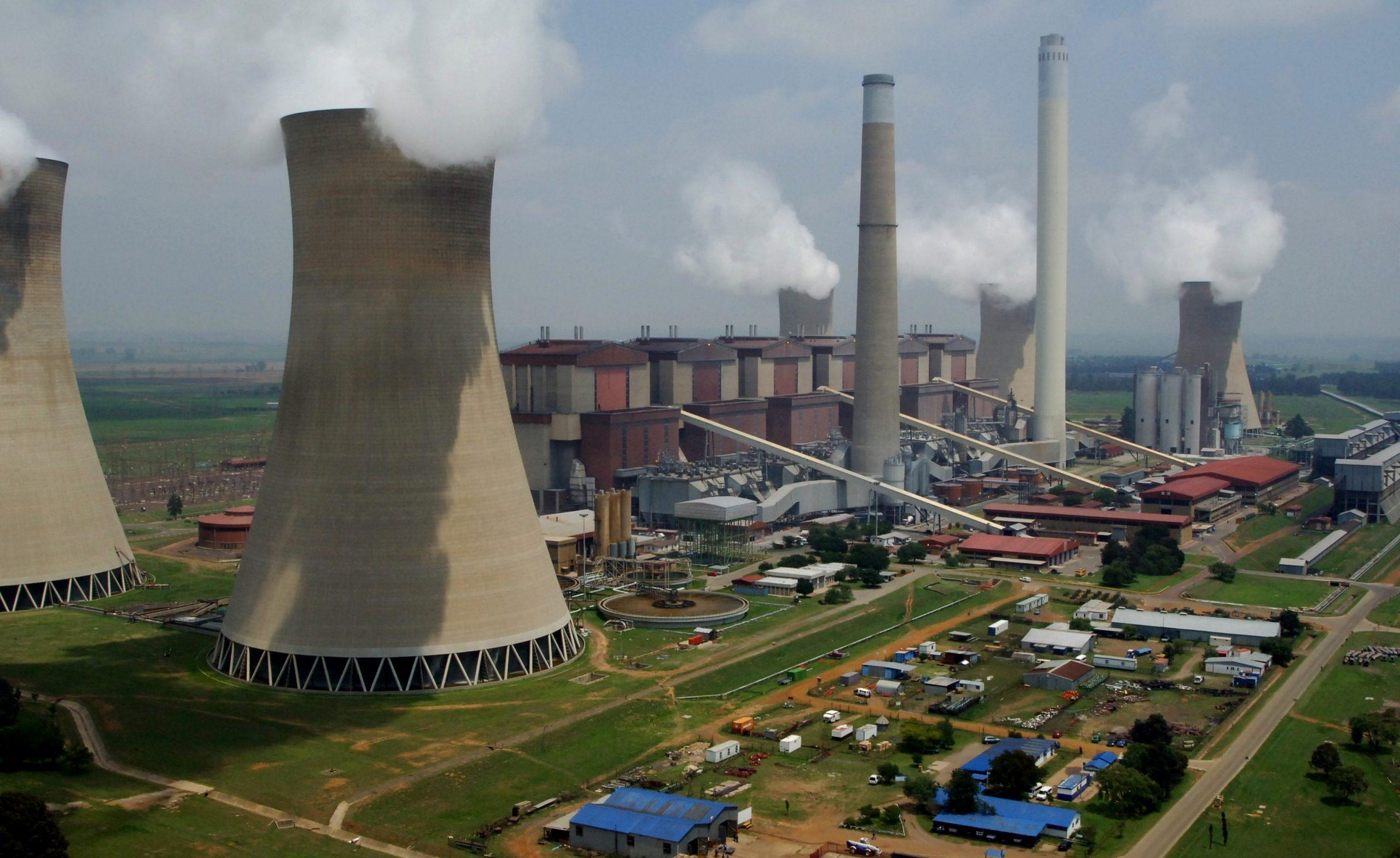
At the center of the case is a procurement scheme involving Eskom’s Kusile and Matla power stations between 2021 and 2023.
According to the SIU, officials:
- Approved inflated and irregular purchase orders
- Manipulated procurement systems to favor specific vendors
- Bypassed formal tender processes
The most striking detail involves relays—essential components used to maintain power station operations.
“Eskom officials signed off on contracts that priced relays at R50,000 each, when the market price was between R180 and R450.”
This pricing discrepancy resulted in a direct financial loss of approximately R73.6 million to Eskom.
Systematic Manipulation of Procurement Processes
The investigation revealed a structured pattern rather than isolated misconduct.
Key tactics allegedly used:
- Splitting purchase orders to remain below the R1 million threshold
- Exploiting the informal tendering system
- Uploading false part numbers to restrict bidding to colluding suppliers
These practices ensured inflated contracts could be approved without triggering oversight mechanisms.
“False part numbers were uploaded… to ensure only colluding vendors could bid, inflating costs for equipment that was never needed and remains unused in stock years later.”
The result was not only financial loss but also operational inefficiency, with unused equipment sitting idle.
The Web of Trusts: Following the Money
A notable dimension of the case is the use of multiple trusts allegedly linked to Nkosi:
- Nkosi Royal Trust
- Sibongukukhanya Trust
- Siyabonga Kankosi Trust
The SIU alleges these entities functioned as conduits to channel funds derived from Eskom contracts into:
- Prime real estate investments
- High-end vehicle acquisitions
This pattern reflects a classic laundering structure, where illicit gains are converted into tangible, high-value assets.
Geographic Spread of the Assets
The seized properties span several provinces, indicating the scale of the alleged scheme:
- Gauteng: Six properties, including a penthouse valued at R13.5 million
- KwaZulu-Natal: Four properties, with top assets exceeding R12 million
- Mpumalanga: Seven properties, including lower-value holdings
This distribution highlights both diversification and the strategic placement of assets across key economic regions.
Legal Framework and Next Steps
The preservation order is only the beginning of a broader legal process.
What happens next:
- The SIU has 60 days to initiate proceedings to review and set aside the contracts
- Evidence of criminal conduct will be referred to the National Prosecuting Authority (NPA)
- Civil proceedings may be launched in the High Court or Special Tribunal
These actions are guided by the Special Investigating Units and Special Tribunals Act 74 of 1996, which empowers the SIU to recover state losses and address wrongdoing.
Broader Implications: Governance, Trust, and Accountability
1. Impact on Eskom
The case reinforces longstanding concerns about governance failures within Eskom, particularly in procurement oversight. The misuse of funds intended for critical infrastructure has direct consequences for energy reliability.
2. Public Finance and Accountability
Recovering R76.5 million—even partially—represents a tangible step toward restoring public resources. More importantly, it sets a precedent for aggressive asset recovery.
3. Institutional Credibility
The SIU’s actions demonstrate increasing institutional assertiveness in tackling corruption. Freezing assets early in the process is a strategic move that strengthens enforcement credibility.
A Pattern Within a Larger Context
This case does not exist in isolation. It aligns with broader efforts to address corruption linked to state capture and procurement abuse across multiple government entities.
The recurring themes include:
- Inflated contracts
- Collusion between officials and suppliers
- Use of intermediaries and trusts to conceal financial flows
Such patterns suggest systemic vulnerabilities rather than isolated misconduct.
Conclusion: A Critical Test for Enforcement
The freezing of Siyabonga Nkosi’s assets marks a decisive phase in South Africa’s anti-corruption efforts. It demonstrates a shift from investigation to tangible enforcement—where alleged gains are not just identified but actively restrained.
The next phase will be decisive. Court proceedings, potential criminal referrals, and asset recovery outcomes will determine whether this case becomes a benchmark for accountability or another unresolved chapter.
For now, the message is clear: procurement abuse at scale is increasingly being met with equally scaled enforcement.


