


The Goalkeeper: Football’s Last Line and First Voice
In football, few roles carry as much responsibility—and as little margin for error—as the goalkeeper. Positioned at the intersection of reflex, strategy, and leadership, the goalkeeper is both the last barrier against defeat and the first architect of a team’s structure from the back.
While outfield players share collective accountability, the goalkeeper operates under a more unforgiving spotlight. A single mistake often leads directly to a goal; a single save can redefine a match. In modern football, the position has evolved from a purely defensive role into a complex hybrid of shot-stopper, distributor, and tactical communicator.
This article examines the goalkeeper through a contemporary lens—blending recent developments, real-world examples, and the broader cultural significance of the position.
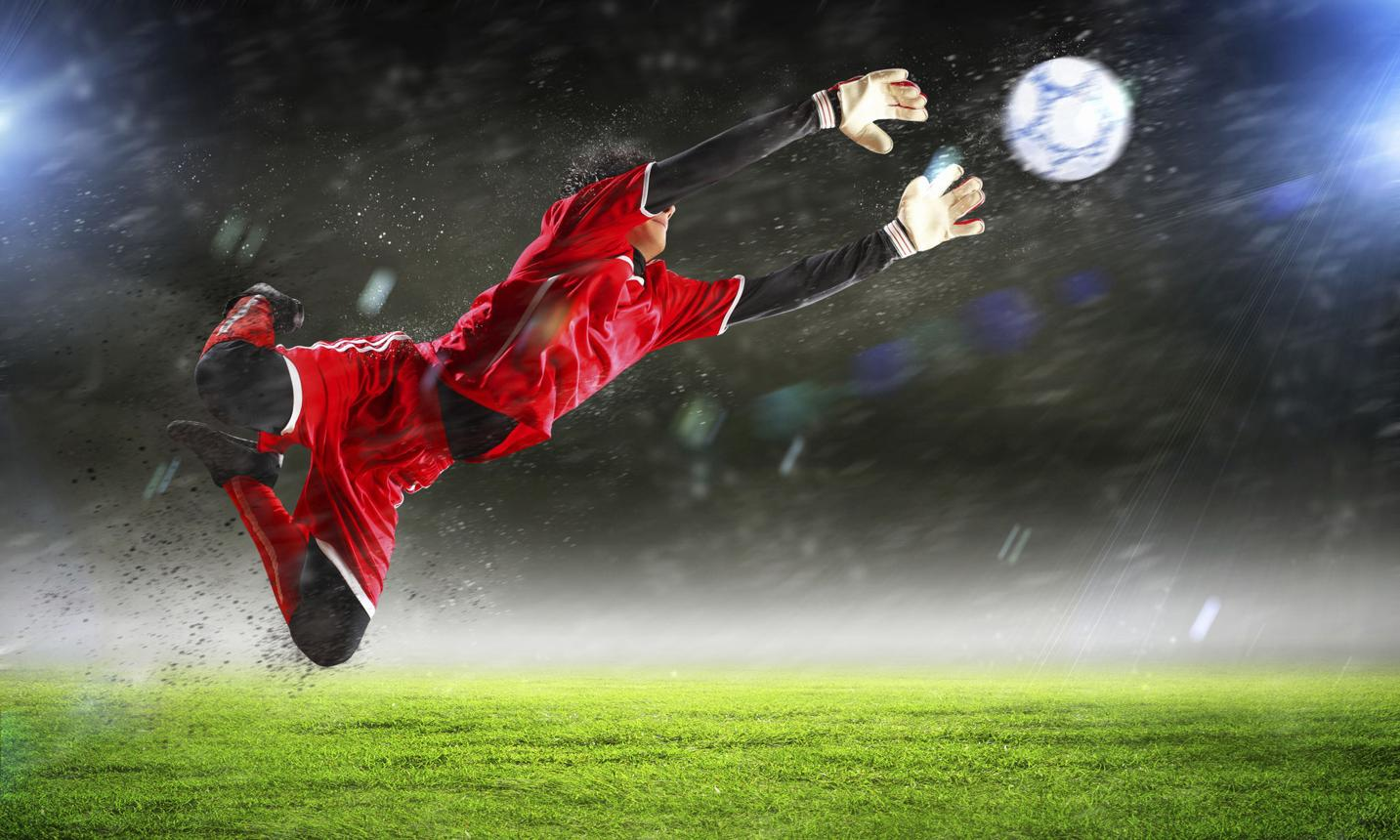
A Role Defined by Precision and Risk
At its core, the goalkeeper’s mandate is straightforward: prevent the ball from entering the net. Yet, the execution of this task involves a layered skill set that extends far beyond reflex saves.
A modern goalkeeper must master:
- Positioning and anticipation to reduce shooting angles
- Handling and aerial control during crosses and set pieces
- Distribution, often initiating attacks with precise passes
- Communication, organizing defensive structures in real time
These responsibilities place goalkeepers in a constant state of high-stakes decision-making. Unlike midfielders or forwards, who can recover from errors, goalkeepers operate in a zone where mistakes are immediately consequential.
When the Margins Collapse: The Case of Jonathan Klinsmann
The physical risks associated with goalkeeping were starkly highlighted in April 2026 when Jonathan Klinsmann, playing for Cesena FC, suffered a severe injury during a Serie B match against Palermo FC.
During the match on April 18, Klinsmann collided with an opposing player and was stretchered off the field. Subsequent medical evaluation revealed a fracture of the first cervical vertebra—an injury commonly referred to as a broken neck.
In an official club statement, Cesena confirmed:
“Tests revealed a fracture of the first cervical vertebra, for which the goalkeeper will undergo further tests and a neurosurgical consultation.”
Klinsmann later addressed the situation publicly, stating:
“During the match I suffered a fracture to my spine which will sideline me for a while.”
The 29-year-old, who had been Cesena’s starting goalkeeper since joining from LA Galaxy in 2024, confirmed he would miss the remainder of the season.
At the time of the incident, Cesena sat eighth in Serie B—the final playoff position for promotion—making his absence both a sporting and psychological setback for the club.
The Physical Demands of the Position
Goalkeepers face a distinct category of physical risk compared to outfield players. Their movements frequently involve:
- High-impact dives onto hard surfaces
- Mid-air collisions with attackers
- Rapid changes in body orientation
- Direct exposure to shots exceeding 100 km/h
The injury sustained by Klinsmann underscores a broader truth: goalkeeping is not only technically demanding but also inherently hazardous.
This is not an isolated case. Across leagues, goalkeepers routinely sustain injuries ranging from finger fractures to concussions and ligament damage. The role demands a willingness to engage in situations where personal safety is secondary to preventing a goal.
Depth, Opportunity, and the Unseen Role
While starting goalkeepers often dominate headlines, the position also reveals a unique hierarchy within teams. Backup and third-choice goalkeepers must maintain elite readiness despite limited match time.
A recent example involves Freddie Woodman, who stepped into a high-pressure situation for Liverpool FC after injuries to senior keepers. Reflecting on his role, Woodman emphasized the psychological preparation required:
“I quickly realised that my game time is going to be limited… when that time comes, I just wanted to be prepared.”
His experience highlights a structural reality: goalkeepers often train for months for a brief window of opportunity. The position demands sustained focus, even in the absence of regular competition.
The Emotional Weight of Goalkeeping
Beyond physical and tactical demands, the goalkeeper role carries a distinct psychological burden. The isolation of the position—often standing apart from the flow of play—intensifies scrutiny.
Every action is magnified:
- A striker missing a chance may be forgotten
- A goalkeeper conceding a goal is rarely forgiven
This dynamic creates a mental environment where resilience is as critical as technical ability. Elite goalkeepers develop coping mechanisms to manage pressure, maintain concentration, and recover quickly from setbacks.
Cultural Impact: Goalkeepers as Icons
Goalkeepers also occupy a unique cultural space within football. In some cases, they transcend the sport to become national symbols.
The late Senzo Meyiwa remains a powerful example. His legacy continues to influence public discourse in South Africa, with supporters organizing nationwide demonstrations seeking justice related to his 2014 death.
This illustrates how goalkeepers, often seen as solitary figures on the pitch, can become deeply embedded in the social and emotional fabric of their communities.
Tactical Evolution: From Shot-Stopper to Playmaker
Modern football has redefined the goalkeeper’s role. The rise of possession-based systems has transformed keepers into active participants in build-up play.
Key developments include:
- Sweeper-keeper systems, where goalkeepers operate outside the penalty area
- Short passing sequences, initiating attacks from the back
- Advanced positioning, compressing space between defensive lines
This evolution demands a new profile of goalkeeper—one comfortable with the ball at their feet and capable of making rapid, accurate decisions under pressure.
What the Future Holds
Looking ahead, the goalkeeper position is likely to become even more specialized. Trends suggest:
- Increased emphasis on data-driven performance analysis
- Greater integration into team-wide tactical systems
- Enhanced focus on injury prevention and recovery protocols
At the same time, the fundamental nature of the role will remain unchanged: a goalkeeper must still make decisive interventions in critical moments.
Conclusion: The Quiet Center of the Game
The goalkeeper is often described as the most isolated player on the pitch. Yet, in many ways, they are the most connected—linked to every phase of play, every defensive decision, and every outcome.
From the dramatic injury suffered by Jonathan Klinsmann to the quiet readiness of backup keepers like Freddie Woodman, the position continues to reveal its complexity. It is a role defined by extremes: solitude and leadership, risk and precision, anonymity and heroism.
In a sport driven by goals, the goalkeeper remains the figure tasked with denying them—and, in doing so, shaping the narrative of the game itself.


