

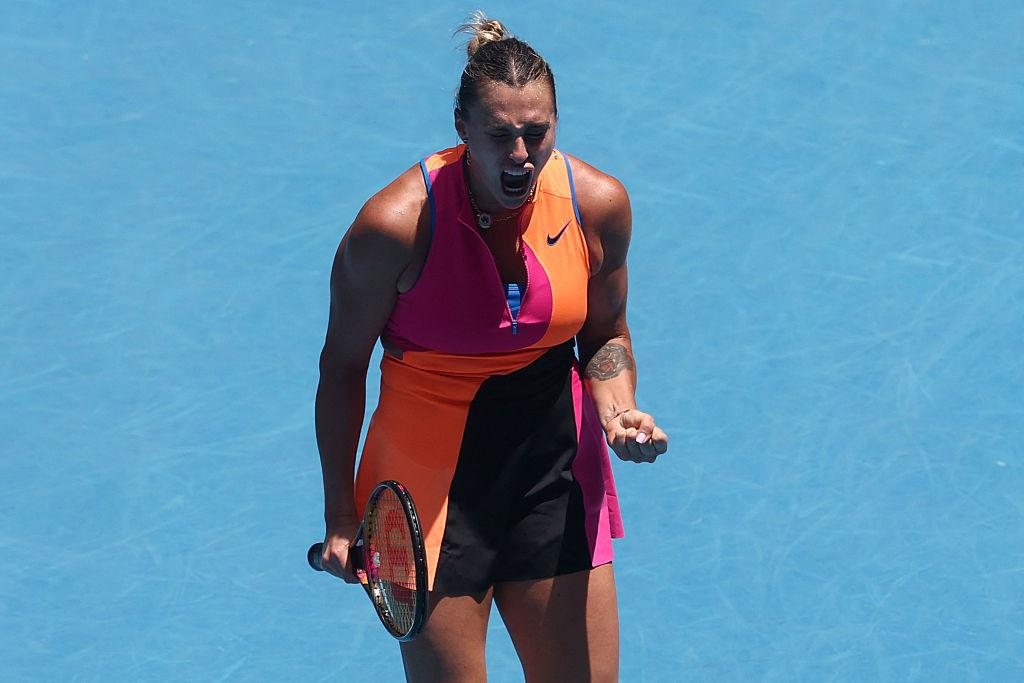
Aryna Sabalenka Ranking: Inside the Tightening Race for World No. 1
A Dominant Leader Under Pressure
The position of world number one in women’s tennis is rarely stable, but for Aryna Sabalenka, 2026 has been defined by both dominance and rising pressure. She sits at the summit of the WTA rankings, backed by a strong run of results and major titles, yet the margin that once seemed comfortable is now being actively challenged.
The most immediate threat comes from Elena Rybakina, whose consistent performances have brought her closer to Sabalenka than at any point in recent memory. The ranking battle is no longer theoretical—it is measurable, narrowing, and evolving week by week.
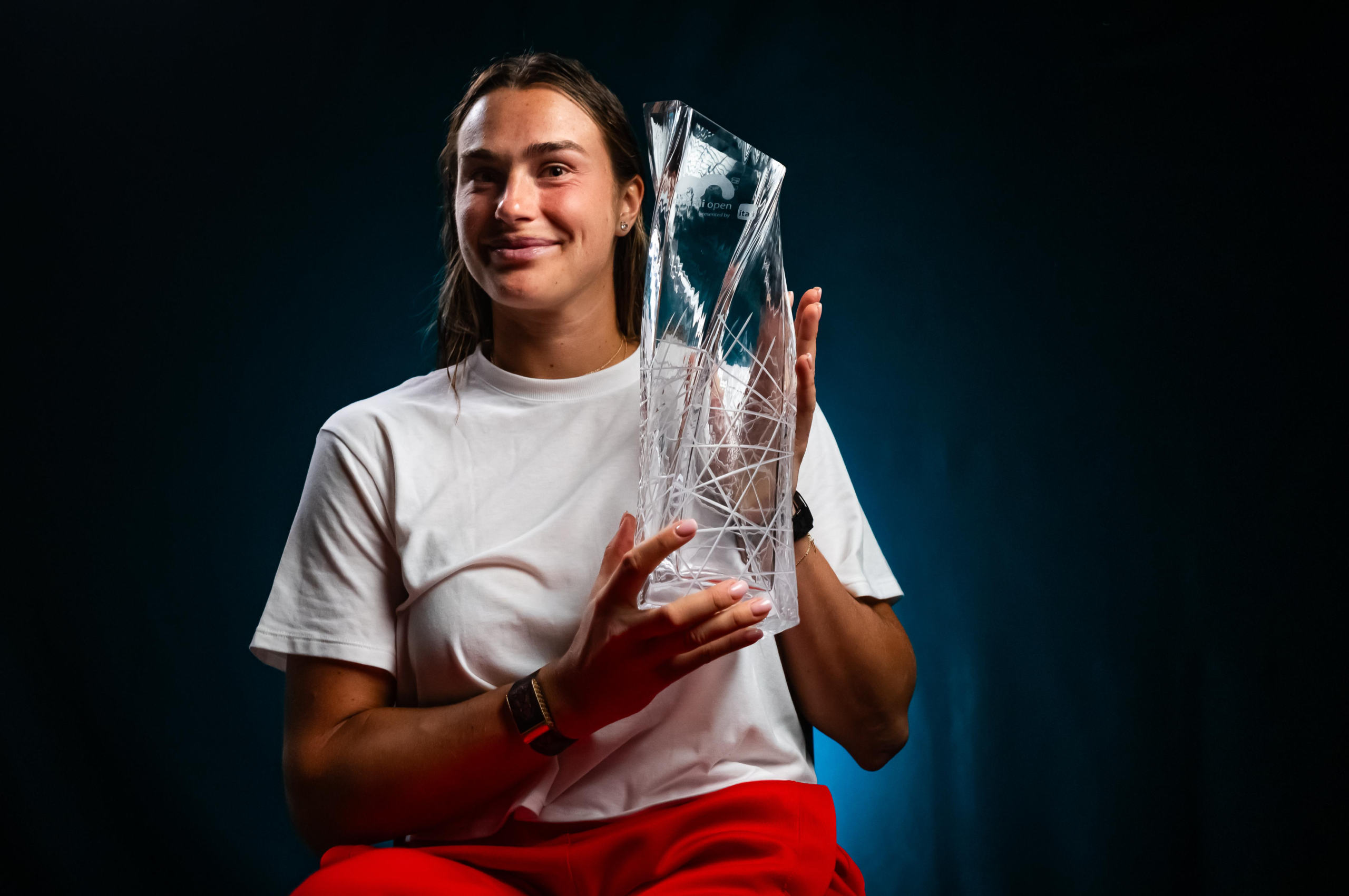
The Numbers Behind Sabalenka’s Ranking Lead
Recent updates in the WTA rankings underline the tightening competition at the top. Rybakina gained 392 ranking points, reinforcing her position as world number two and reducing the distance to Sabalenka to 2,395 points.
This gap remains significant but no longer insurmountable. In elite tennis terms, it represents a margin that can shift within a single strong tournament run—especially during high-stakes events on the clay calendar.
Further analysis shows how dynamic this race has become:
- Sabalenka extended her lead earlier in the season after completing the “Sunshine Double” with victories in Indian Wells and Miami
- At one stage, her advantage stood at nearly 3,000 points
- However, scheduled point drops and tournament participation gaps are now reducing that cushion
Crucially, Sabalenka is set to lose 130 ranking points from Stuttgart due to previous results, while Rybakina has no points to defend, giving her a structural advantage in closing the gap
Stuttgart and the Strategic Turning Point
The Porsche Tennis Grand Prix in Stuttgart has emerged as a pivotal event in the ranking race. Sabalenka’s absence opens a window of opportunity that Rybakina can exploit without direct resistance.
Rybakina has made her approach clear:
“I don’t really think about it so much… I still need to perform… it’s mostly about improvement and consistency.”
This perspective reflects a broader truth about ranking systems: sustained performance, rather than isolated victories, determines long-term positioning.
If Rybakina progresses deep into the tournament, the implications are substantial:
- A final appearance could erase Sabalenka’s lead entirely in the season race
- A title win could reduce the overall ranking gap to 2,287 points
- In the year-to-date race, she could even move ahead of Sabalenka by 183 points
These projections highlight how quickly rankings can shift when top players operate at peak efficiency.
Sabalenka’s Ranking Built on Power and Consistency
Sabalenka’s current standing is not accidental. It is the result of a multi-year progression marked by technical refinement, physical power, and psychological resilience.
She first reached world number one in 2023, marking a defining moment in her career trajectory . Since then, she has maintained her position through:
- Multiple Grand Slam victories, including the Australian Open (2023, 2024) and US Open (2024, 2025)
- Consistent deep runs in major tournaments
- A high-risk, high-reward playing style built around aggressive baseline hitting
Her reputation as a power hitter—often referred to as “The Tiger”—has become central to her dominance. The approach produces both winners and errors, but at its peak, it overwhelms opponents and sustains ranking points accumulation.
The Broader Top-10 Movement
While the spotlight remains on Sabalenka and Rybakina, the WTA rankings are shifting across the board:
- Mirra Andreeva has moved up within the top 10
- Karolína Muchová and Linda Nosková are closing in on the elite tier
- Jelena Ostapenko has dropped significantly, falling from 22 to 40
- Paula Badosa remains outside the top 100
This broader volatility adds another layer of pressure. Maintaining a number one ranking is not just about outperforming one rival—it requires staying ahead of a constantly shifting competitive field.
Performance vs Perception: External Commentary
Despite Sabalenka’s statistical dominance, external commentary continues to shape public perception of her ranking. Former professional Patrick McEnroe sparked debate by suggesting she would lose heavily to top junior male players, emphasizing differences in physical dynamics rather than competitive merit.
While such comparisons are often controversial, they underscore a recurring narrative: Sabalenka’s achievements are scrutinized in ways that extend beyond results.
Notably, she has already participated in high-profile exhibition formats, including a “Battle of the Sexes” match against Nick Kyrgios, illustrating her willingness to engage beyond traditional competition structures.
The Strategic Outlook: Can Sabalenka Hold No. 1?
The key question is no longer whether Sabalenka deserves the number one ranking—it is whether she can retain it through the next phase of the season.
Several factors will determine the outcome:
1. Clay-Court Performance
The clay season historically rewards consistency and tactical patience. Sabalenka’s aggressive style must adapt to slower surfaces where rallies extend and error margins shrink.
2. Points Defense Pressure
Unlike Rybakina, Sabalenka carries a heavier burden of defending previous results, which inherently increases risk.
3. Rival Momentum
Rybakina’s recent Grand Slam success and consistent finals appearances position her as the most immediate challenger.
4. Psychological Edge
Maintaining the number one ranking often comes down to mental resilience—handling expectations, scrutiny, and the pressure of being the player to beat.
Conclusion: A Ranking Defined by Momentum
Aryna Sabalenka remains the world number one, backed by a powerful combination of results, titles, and sustained excellence. However, the landscape beneath her is shifting.
Elena Rybakina’s rise has transformed the rankings from a stable hierarchy into an active contest. The margin is narrowing, the schedule is unforgiving, and the next tournaments carry disproportionate weight.
The outcome is not predetermined. It will be decided on court—match by match, point by point—through a season that is increasingly defined by momentum rather than legacy.


