



Rwanda Amavubi vs Estonia: How Kigali Witnessed a Defining Football Moment
Introduction: More Than a Friendly, A Statement of Intent
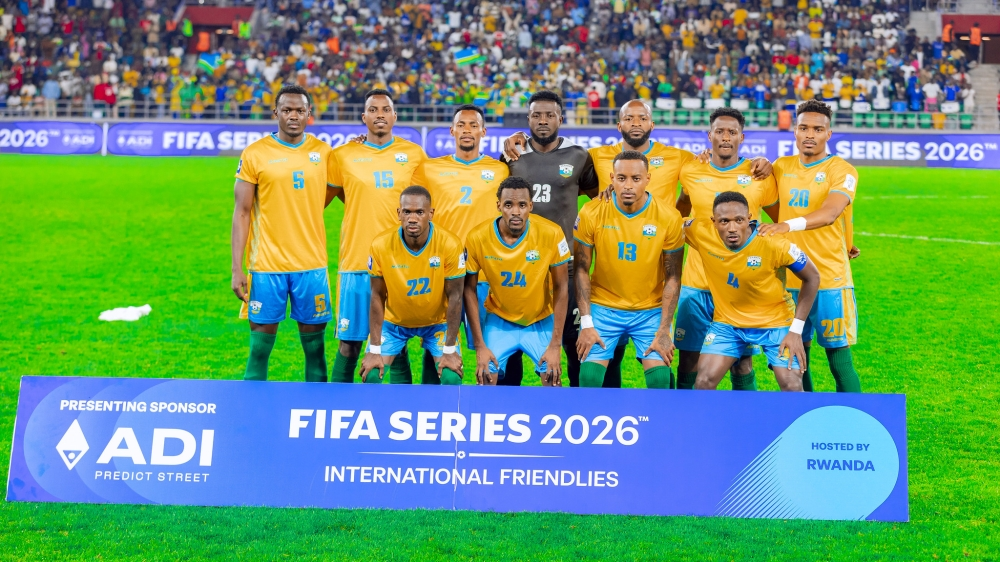
The clash between Rwanda’s Amavubi and Estonia on March 30, 2026, at Amahoro Stadium in Kigali was officially an international match within the FIFA Series. In practice, it became something far more significant.
- Introduction: More Than a Friendly, A Statement of Intent
- First Phase: Estonia’s Early Control Meets Rwanda’s Discipline
- Turning Point: Biramahire’s Clinical Finish
- Second Half: Mickels Moves from Creator to Finisher
- Game Management: Structure, Substitutions, and Control
- Match Timeline: How the Game Unfolded
- Individual Impact: Mickels Defines the Match
- The Bigger Picture: Rwanda’s Football Evolution
- Looking Ahead: Momentum for Future Competitions
- Conclusion: A Victory Built on Structure and Belief
Rwanda’s 2–0 victory was not only a result—it was a controlled, structured performance that highlighted the country’s growing football identity. Against European opposition, Amavubi demonstrated tactical discipline, attacking clarity, and an ability to manage the game across both halves.
First Phase: Estonia’s Early Control Meets Rwanda’s Discipline
The match opened with Estonia showing early composure, dominating possession and probing Rwanda’s defensive shape. Their approach relied on structured passing and set-piece opportunities, aiming to test the hosts early.

However, Rwanda responded with a measured defensive setup. The backline remained compact, while the midfield gradually asserted control, slowing Estonia’s tempo and forcing them into less dangerous positions.
This balance allowed Rwanda to transition from a reactive stance to a more progressive attacking approach.


Turning Point: Biramahire’s Clinical Finish
The first decisive moment came in the 30th minute.
Leroy-Jacques Mickels delivered a precise pass into Abeddy Biramahire, who converted calmly to give Rwanda a 1–0 lead.
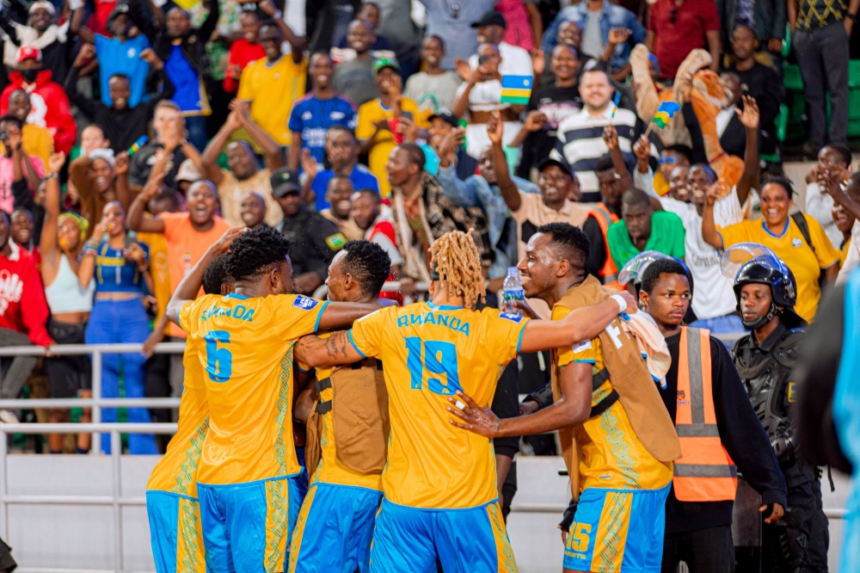
The goal marked a shift in momentum. Rwanda’s confidence grew, and the home crowd intensified the atmosphere, pushing the team forward. Estonia attempted to respond, but their attacking rhythm was disrupted by Rwanda’s defensive organization.
A key moment followed when goalkeeper Olivier Kwizera produced a crucial save to deny Estonia an equalizer, ensuring Rwanda carried their lead into halftime.


Second Half: Mickels Moves from Creator to Finisher
Rwanda entered the second half with renewed intent, and their attacking efficiency quickly paid off.
In the 51st minute, Mickels—already instrumental in the opening goal—scored himself, unleashing a powerful strike to double the lead.
At 2–0, the match dynamic shifted decisively. Estonia faced the challenge of breaking down a well-organized defensive unit, while Rwanda focused on maintaining control.
Game Management: Structure, Substitutions, and Control
The latter stages of the match showcased Rwanda’s tactical maturity.
Key Strategic Elements
- Midfield control: Dictated tempo and limited Estonia’s transitions
- Defensive solidity: Led by Djihad Bizimana and Claude Niyomugabo, the backline neutralized threats
- Effective substitutions: Introduced fresh energy without disrupting structure
Rwanda made multiple substitutions throughout the second half, ensuring sustained intensity and defensive balance. Estonia also rotated their squad but struggled to create clear scoring opportunities.
Even in the closing minutes, Rwanda remained composed, absorbing pressure and managing the game until the final whistle.
Match Timeline: How the Game Unfolded
This match followed a clear sequence of decisive events:
- 30’ — Goal: Abeddy Biramahire gives Rwanda the lead
- 45’ — Halftime: Rwanda 1–0 Estonia
- 51’ — Goal: Leroy-Jacques Mickels extends advantage
- 65’–90’ — Tactical substitutions: Rwanda maintains control
- Full Time: Rwanda 2–0 Estonia
Each phase reflects Rwanda’s ability to build momentum and sustain performance across the full match.
Individual Impact: Mickels Defines the Match
Leroy-Jacques Mickels emerged as the central figure of the game:
- Assisted the opening goal
- Scored the second goal
- Influenced attacking transitions and tempo
His performance exemplified Rwanda’s efficiency—maximizing key moments while maintaining composure under pressure.
The Bigger Picture: Rwanda’s Football Evolution
This victory is part of a broader narrative surrounding Rwanda’s football development.
Hosting the FIFA Series and delivering strong performances reflects:
- Investment in football infrastructure
- Strategic national development of the sport
- Growing competitiveness against international teams
The presence of key stakeholders, including national leadership, further underscores the importance of football as a unifying and strategic platform within the country.
Looking Ahead: Momentum for Future Competitions
Rwanda’s performance against Estonia provides a foundation for future growth.
Potential Implications
- Increased confidence in international fixtures
- Stronger squad cohesion under current coaching leadership
- Enhanced reputation as both a host nation and competitor
The team’s ability to combine tactical discipline with attacking precision suggests a trajectory toward more consistent performances on the global stage.
Conclusion: A Victory Built on Structure and Belief
Rwanda’s 2–0 win over Estonia was not defined by moments alone—it was built on structure, discipline, and execution.
From Biramahire’s breakthrough to Mickels’ decisive strike, every phase of the match reflected a team that understands its identity and plays with clarity.
At Amahoro Stadium, Amavubi did more than secure a result—they delivered a performance that signals a maturing football system and a promising future.