




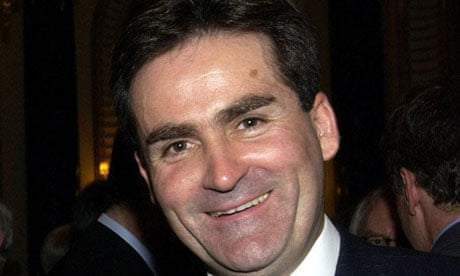
Richard Keys: A Career Defined by Influence, Controversy, and Reinvention
Introduction: A Broadcaster Who Never Stays Quiet
Few figures in football broadcasting provoke as much discussion as Richard Keys. Over a career spanning nearly five decades, Keys has built a reputation as both a pioneering presenter and a polarizing voice in sports media.
- Introduction: A Broadcaster Who Never Stays Quiet
- From Radio Roots to Premier League Prominence
- The 2011 Exit: A Defining Turning Point
- Reinvention Abroad: Qatar and Global Broadcasting
- Personal Life: Relationships and Public Scrutiny
- A Brush with Death: Health Crisis in 2017
- Public Controversies and Media Persona
- The “Tell-All” Interview: A Return to Headlines
- Legacy: Influence, Criticism, and Longevity
- What Comes Next?
- Conclusion: A Complex Figure in Modern Football Media
From his early days in radio to becoming one of the defining faces of Premier League television coverage, Keys has consistently remained in the spotlight. Yet his journey has been anything but linear—marked by professional success, public controversy, personal upheaval, and repeated reinvention.
Recent interviews and public statements have once again placed him at the center of debate, highlighting not only his enduring presence in football discourse but also the complexities that define his public image.

From Radio Roots to Premier League Prominence
Richard Keys’ broadcasting career began in 1976, working with the Fleet Street Sports Agency before transitioning into radio commentary roles.
His early experience at Radio City and Piccadilly Radio sharpened his voice as a football commentator, but it was television that would elevate him to national prominence.



The Sky Sports Era
Keys became synonymous with football broadcasting during his time at Sky Sports. As one of the central presenters during the launch of the Premier League in 1992, he helped shape how football was presented to millions of viewers.
He fronted flagship programs such as:
- Super Sunday
- Monday Night Football
- UEFA Champions League coverage
During this period, Keys wasn’t just a presenter—he was part of a broadcasting model that transformed football into a global entertainment product.
The 2011 Exit: A Defining Turning Point
Keys’ departure from Sky Sports in 2011 marked a significant rupture in his career. Recorded comments involving sexist remarks about assistant referee Sian Massey led to widespread backlash and ultimately his resignation.



Reflecting later, Keys acknowledged:
“Prehistoric banter isn’t acceptable in the modern world. I accept that.”
This moment reshaped public perception of Keys and became a lasting reference point in discussions about professionalism and culture within sports media.
Reinvention Abroad: Qatar and Global Broadcasting
Following his exit from UK television, Keys relocated to Qatar, where he rebuilt his career alongside long-time colleague Andy Gray.
They became key figures at:
- Al Jazeera Sports
- beIN Sports
From Doha, Keys continued covering Premier League and European football, contributing to broadcasts reaching millions worldwide.
His presence on these platforms demonstrated both resilience and adaptability—traits that have defined much of his professional life.
Personal Life: Relationships and Public Scrutiny
While Keys’ professional life has been widely documented, his personal life has increasingly drawn public attention.
Marriage, Divorce, and Controversy
Keys was married to his first wife Julia for over three decades before their divorce in 2016.
The breakdown of that marriage, alongside his subsequent relationship with Lucie Rose—whom he married in 2023—sparked intense media scrutiny.
Addressing persistent rumors, Keys stated:
“What’s damaging is that people presume I ran away with my daughter’s best mate… All of which is nonsense.”
He further emphasized:
“People see me as an easy target, but the narrative is not fair on her. It’s totally wrong.”
These remarks illustrate a recurring theme in Keys’ public messaging: a belief that his personal story has been misrepresented.
A Brush with Death: Health Crisis in 2017
In 2017, Keys faced a life-threatening medical emergency after being diagnosed with a thoracic aortic aneurysm—a condition often described as a “silent killer.”
He underwent eight hours of surgery, and doctors later revealed that he was just two days away from death had the procedure been delayed.
This episode added a more human dimension to his public persona, underscoring the vulnerability behind the often combative figure seen on screen.
Public Controversies and Media Persona
Keys has never been a conventional broadcaster. His style—direct, unapologetic, and often provocative—has kept him in the headlines.
The Laura Woods Feud
A recent example involves his ongoing exchange with presenter Laura Woods. After criticism over a tribute to Terry Yorath, Keys responded:
“I would never, ever have described a senior member of my profession as a t***. A little bit more respect, please.”
This exchange reignited debates about tone, professionalism, and accountability in sports commentary.
Reflections on Industry Culture
In a rare moment of introspection, Keys admitted:
“We were bullies… That’s not an excuse… but that culture was very much from within.”
This acknowledgment points to broader systemic issues within sports media during earlier decades—suggesting that Keys’ behavior was not isolated, but reflective of industry norms at the time.
The “Tell-All” Interview: A Return to Headlines
A recent interview further fueled public interest, with Keys offering candid—and at times controversial—reflections on his life.
Among the more striking anecdotes:
- A solitary Christmas spent with “a bottle of champagne, a can of tuna,” and classic war films
- A surreal experience after accidentally doubling his blood pressure medication, describing it as “enjoyably high and drunk at the same time”
These stories, while unconventional, reinforce the perception of Keys as a figure who thrives on unpredictability.
Legacy: Influence, Criticism, and Longevity
Richard Keys’ career raises a broader question: how should influence be measured in sports media?
On one hand, he:
- Helped define modern football broadcasting
- Fronted some of the sport’s most iconic coverage
- Maintained relevance across multiple decades
On the other hand, his legacy is inseparable from:
- Controversial remarks
- Public disputes
- Personal life scrutiny
This duality—impact versus controversy—defines his place in football media history.
What Comes Next?
Recent reports suggest that Keys and Andy Gray may leave beIN Sports at the end of the current Premier League season.
If confirmed, this could mark another turning point—potentially opening a new chapter in a career already characterized by reinvention.
Given his track record, a full retreat from public life seems unlikely.
Conclusion: A Complex Figure in Modern Football Media
Richard Keys remains one of the most recognizable—and debated—figures in sports broadcasting.
His career illustrates:
- The evolution of football media
- The shifting standards of public accountability
- The enduring tension between personality and professionalism
Whether viewed as a pioneer, a provocateur, or something in between, Keys continues to command attention—ensuring his relevance in football discourse remains intact.