A New Kind of Word Game Takes Hold
In the crowded world of digital puzzles, few have risen as quickly—and as quietly—as NYT Connections. Developed by The New York Times, the game has become a daily ritual for thousands of players seeking a blend of logic, vocabulary, and lateral thinking.
Unlike traditional crossword puzzles or word-guessing games, Connections challenges players not with clues, but with relationships. Each day, a fresh puzzle appears, presenting a deceptively simple grid of 16 words. What follows is a mental exercise that rewards pattern recognition, linguistic creativity, and patience.
The result is a game that feels accessible at first glance—but quickly reveals a surprising depth.
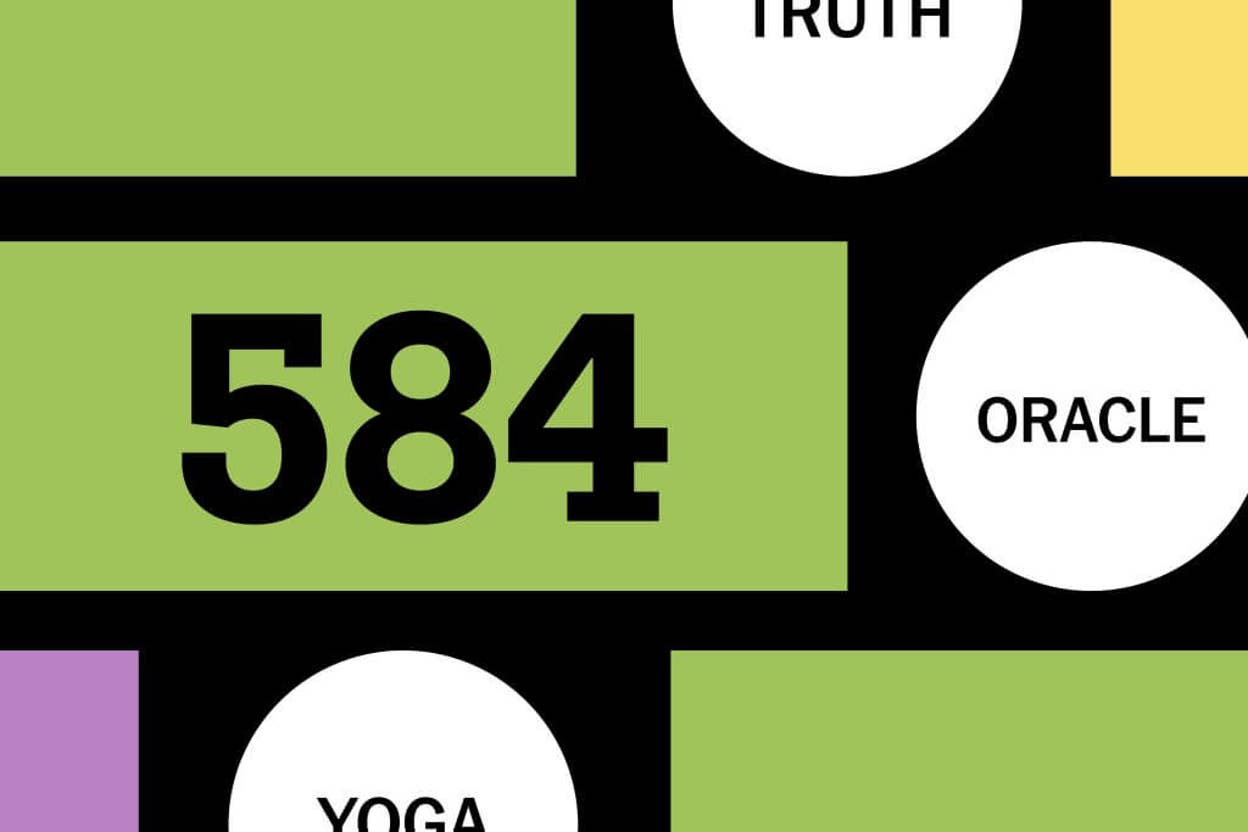
How NYT Connections Works
At its core, Connections is built on a straightforward objective: organize 16 words into four groups of four, based on a shared theme.
Each puzzle is structured using four color-coded difficulty tiers:
- Yellow (easiest)
- Green (moderate)
- Blue (challenging)
- Purple (most difficult)
Players must identify the connection within each group—whether it’s a shared meaning, a category, or a more subtle linguistic relationship.
For example, one puzzle featured a blue category hint related to buying a home, grouping words such as appraisal, escrow, insurance, and mortgage.
The twist lies in ambiguity: many words could logically fit into multiple groups. The challenge is not just finding connections—but finding the correct ones.
The Rules That Keep It Addictive
While the premise is simple, the structure adds pressure and strategy:
- Players are allowed four mistakes before the game ends
- A new puzzle is released once per day, resetting at midnight
- Words can be rearranged or shuffled to reveal patterns
- Feedback like “one away” helps refine guesses
This limited-attempt system introduces stakes, making each decision feel consequential.
A Case Study: April 30 Puzzle (#1054)
The April 30, 2026 puzzle offers a clear example of how Connections balances accessibility with complexity.
The Four Categories
- Yellow – Unnerve
ALARM, DISTURB, SHAKE, SHOCK
- Green – Remove, as an item from a list, with “off”
CHECK, CROSS, MARK, TICK
- Blue – What “T” might stand for
TESLA, TIME, TRUE, TYRANNOSAURUS
- Purple – Homophones of possessive adjectives
HOUR, HUR, THERE, YORE
Why This Puzzle Stands Out
The puzzle begins with familiar associations—emotional reactions and checklist actions—before transitioning into more abstract reasoning.
The final category, involving homophones, forces players to think beyond spelling and focus on sound, demonstrating the game’s layered design.
This progression—from obvious to obscure—is a hallmark of the game’s design philosophy.
Strategy: How Players Crack the Grid
While each puzzle is unique, experienced players often follow a consistent approach:
1. Start with the Obvious
The yellow group typically includes the most direct relationships—often synonyms or common categories.
2. Use Elimination
Correct groupings reduce the pool of words, making remaining connections clearer.
3. Watch for Misdirection
Some words are deliberately ambiguous and can fit multiple themes.
4. Think Beyond Definitions
Connections may involve:
- Wordplay
- Hidden meanings
- Sound-based relationships (homophones)
5. Take Breaks
Returning with a fresh perspective can reveal patterns that were previously missed.
These strategies highlight that Connections is less about vocabulary size and more about cognitive flexibility.
Expanding the Puzzle Ecosystem
The success of Connections has led to variations, including Connections: Sports Edition, which introduces themed puzzles centered on athletics.
This version, published by The Athletic, follows the same structure but incorporates domain-specific knowledge.
Examples from a recent sports puzzle include:
- Exercise classes (barre, Pilates, spin, yoga)
- Basketball terminology (5, big, frontcourt, post)
- Baseball stadiums (Angel, Dodger, Oracle, Petco)
These variations expand the game’s appeal while maintaining its core mechanics.
Why NYT Connections Is So Popular
Several factors explain the game’s rapid growth:
Cognitive Engagement
The puzzle rewards both analytical and creative thinking, making it mentally stimulating.
Daily Habit Formation
The once-per-day format encourages routine, similar to Wordle.
Social Sharing
Players often compare results and solving strategies, creating a communal experience.
Balanced Difficulty
With its tiered system, the game accommodates both casual players and puzzle enthusiasts.
As one observer noted, the game “balances accessibility with increasing complexity,” making it both approachable and challenging.
The Broader Impact on Digital Puzzle Culture
Connections is part of a broader shift toward short-form, high-engagement digital games.
Alongside titles like Wordle, Strands, and Spelling Bee, it reflects a growing appetite for:
- Bite-sized intellectual challenges
- Daily interactive content
- Games that combine simplicity with depth
These puzzles are redefining how audiences interact with media—turning passive consumption into active participation.
What Comes Next for NYT Connections
Looking ahead, the trajectory suggests continued expansion:
- More themed editions (beyond sports)
- Enhanced social features
- Integration with other NYT Games products
The game’s adaptability—especially its reliance on language and pattern recognition—makes it well-suited for long-term evolution.
Conclusion: A Puzzle Built on Patterns—and People
NYT Connections succeeds because it taps into something fundamental: the human instinct to find meaning in patterns.
What begins as a grid of disconnected words becomes a puzzle of relationships, logic, and insight. Each solved group delivers a small moment of clarity—a reward that keeps players coming back day after day.
In an era dominated by fast content, Connections proves that thoughtful challenges still have a powerful place in digital culture.


