

Mel Kiper Mock Draft 2026: Trades, Strategy, and High-Stakes Decisions
A Final Wave Before Draft Night
As the countdown to the 2026 NFL Draft enters its final stretch, few voices carry as much weight as Mel Kiper Jr.. Known as the “Godfather of the NFL Draft,” Kiper’s latest mock draft offers not just predictions, but a strategic lens into how franchises might approach one of the most consequential events on the football calendar.
With the draft set to begin on April 23 in Pittsburgh, this latest projection stands out for its complexity—featuring two full rounds, multiple trades, and a clear emphasis on how teams balance immediate needs with long-term roster construction.
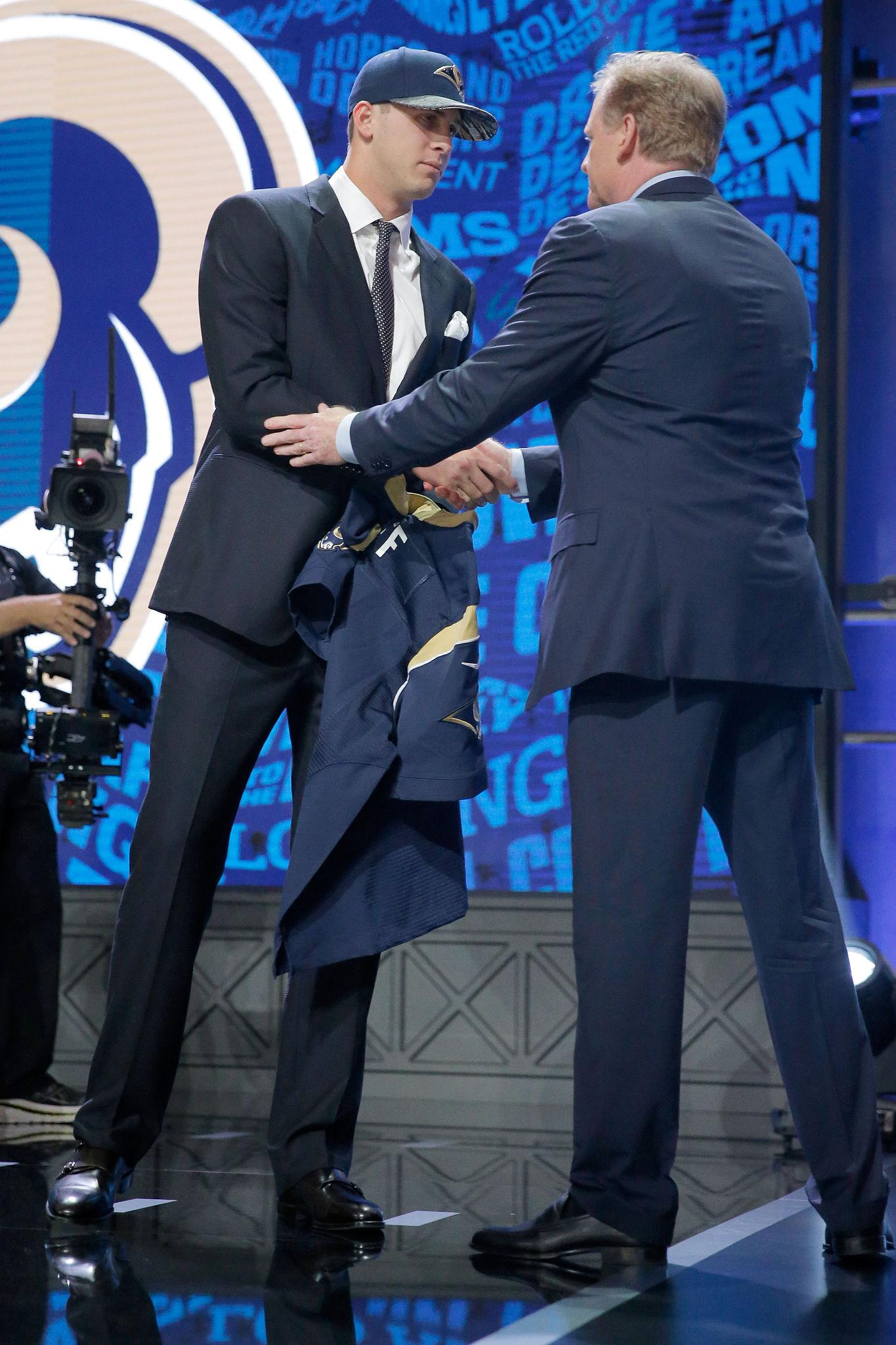
Inside Kiper’s Draft Philosophy
Kiper’s approach is not about personal preference—it’s about projection.
He emphasizes that his mock is based on “team needs, evaluations and what I’m hearing in conversations with execs, coaches and scouts around the NFL.”
This distinction is critical. Rather than acting as a general manager, Kiper positions himself as an interpreter of league sentiment. The result is a mock draft that reflects how teams are likely to behave when the clock is ticking.
Early Picks: Setting the Tone
At the top of the board, the direction is relatively clear.
- No. 1 Pick: The Las Vegas Raiders select quarterback Fernando Mendoza, signaling a franchise reset.
- No. 2 Pick: The New York Jets address pass-rush struggles with David Bailey after ranking near the bottom in sacks and pressure rate.
- No. 3 Pick: The Arizona Cardinals invest in defensive versatility with Arvell Reese.
These selections highlight a familiar pattern—quarterbacks drive the top of the draft, while teams immediately pivot to fixing glaring weaknesses on defense.
A Bold Decision at No. 5
One of the most intriguing moments comes at No. 5, where the New York Giants are projected to select Caleb Downs.
This pick is notable for two reasons:
- It prioritizes defensive intelligence and versatility over positional trends.
- It places a safety in the top five—something not seen since 2010.
Kiper’s reasoning centers on Downs’ instincts and impact potential in the secondary, suggesting a shift toward valuing defensive playmakers who can control the game from the back end.
The Dolphins’ Power Move
The most talked-about development in this mock draft involves the Miami Dolphins.
The Trade Scenario
- Arizona receives: Picks No. 30 and 94
- Miami receives: Picks No. 34 and 65
At first glance, this may appear to be a minor move. In reality, it’s a calculated play to maximize draft capital.
By moving back just four spots, Miami:
- Gains a significantly higher second-round pick
- Jumps nearly 30 positions overall in draft value
- Positions itself strategically for further trades
The move reflects a modern draft philosophy—depth over singular impact.
As described in the projection, this deal would allow Miami to remain competitive in Round 1 while dramatically improving its position in Round 2.
Another Blockbuster: Cowboys and Browns
Kiper also introduces a high-profile trade involving the Dallas Cowboys and the Cleveland Browns.
Trade Breakdown
- Dallas trades picks No. 12 and 20
- Cleveland sends picks No. 6 and 39
Strategic Outcome
- Dallas moves up to secure elite linebacker Sonny Styles
- Cleveland gains flexibility, potentially holding three first-round picks
The rationale is rooted in urgency. Dallas struggled defensively, allowing:
- 6.1 yards per play (second worst in NFL)
- 30.1 points per game (worst in NFL)
Styles, described as explosive and highly productive, becomes a cornerstone addition for a defense in need of immediate impact.
Team-Building Trends Emerging
Across the mock draft, several clear patterns emerge:
1. Defense Is Back in Focus
Teams like the Cowboys, Jets, and Saints prioritize defensive upgrades early, reflecting a league-wide response to high-powered offenses.
2. Offensive Line Value Remains High
Franchises such as the Miami Dolphins and Baltimore Ravens invest in protection, recognizing that success starts in the trenches.
3. Trade Flexibility Is Critical
Rather than staying static, teams are actively exploring trade opportunities to:
- Acquire more picks
- Target specific prospects
- Control draft positioning
The Quarterback Domino Effect
While Fernando Mendoza is locked in as the top pick, the quarterback situation becomes more fluid later in the round.
The Arizona Cardinals trade back into Round 1 to select Ty Simpson, a move driven by two key factors:
- Securing a fifth-year option
- Getting ahead of quarterback-needy teams in Round 2
This illustrates how quarterbacks—even outside the top tier—can reshape the entire draft order.
Beyond Round 1: Depth and Value
Kiper’s two-round projection emphasizes that the draft is not just about star power.
For example:
- The Dolphins target wide receiver Germie Bernard in Round 2
- The Giants reinforce their offensive line with Keylan Rutledge
- Teams continue addressing secondary and defensive front depth
These selections reflect a broader strategy: building a complete roster rather than relying solely on first-round talent.
What This Means for the 2026 NFL Draft
Kiper’s mock draft is more than a prediction—it’s a blueprint for how teams might think under pressure.
Key implications include:
- Aggressive trading will shape the board
- Defensive playmakers are rising in value
- Roster depth is becoming a priority over headline picks
As draft day approaches, teams will face the same questions Kiper’s mock attempts to answer:
- Do you trade up for elite talent?
- Do you trade down for flexibility?
- Or do you trust the board to fall your way?
Final Outlook
With just days remaining before the 2026 NFL Draft begins, Mel Kiper Jr.’s latest mock draft provides a compelling snapshot of a league in transition.
Teams are no longer simply drafting players—they are managing assets, predicting market behavior, and navigating a complex web of strategy.
If Kiper’s projections hold any truth, expect:
- Multiple trades
- Unexpected selections
- And a draft night defined as much by movement as by the players themselves
The stage is set. The only question now is which teams will execute—and which will miss their moment.


